Direct Trade vs. Fair Trade Coffee: Which Model Delivers Better Value for B2B Buyers?
🎯 The Bottom Line for B2B Coffee Buyers:
A direct trade sourcing model typically offers 20-35% cost savings alongside vastly superior traceability and cup quality consistency when compared directly to standard Fair Trade certification limits. Here is the complete data breakdown to help you make the most profitable sourcing decision for your roastery.
⚖️ What’s the Difference? Understanding Both Models
📜 Fair Trade: The Certified Approach
Fair Trade is a formal certification system actively managed by global organizations like Fairtrade International and Fair Trade USA. It guarantees artificial minimum pricing floors to farmers and aggressively enforces specific labor and environmental standards.
Fair Trade Supply Chain
🤝 Direct Trade: The Relationship-Based Approach
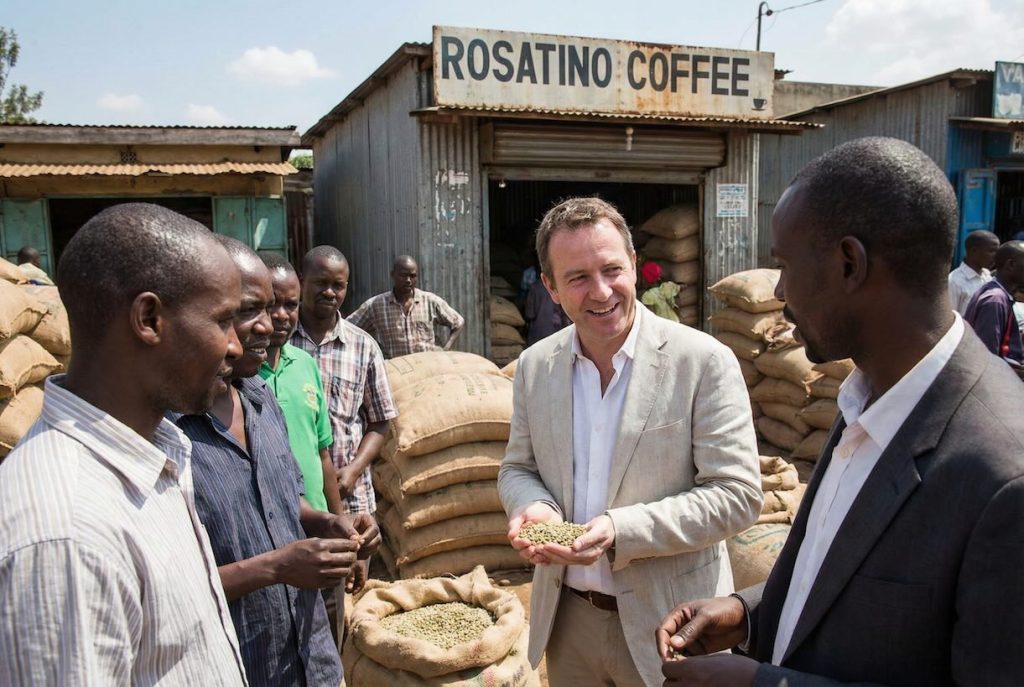
Direct Trade is not a paid certification, but rather a streamlined business model where commercial buyers establish direct, communicative relationships with coffee producers. This outright eliminates bloated intermediaries and creates aggressively transparent, long-term partnerships.
Direct Trade Supply Chain
💰 Cost Comparison: The Real Numbers
Fair Trade Coffee
Average Cost per lb (Green Beans) $4.50-$6.00- Base minimum price: $1.40/lb
- Organic premium: +$0.30/lb
- Certification fees: $0.20-0.40/lb
- Importer markup: 15-25%
- Limited traceability
Direct Trade Coffee Best Value
Average Cost per lb (Green Beans) $3.00-$4.50- Farm-direct pricing
- No certification fees
- No middleman markup
- Farmers earn MORE
- Full traceability
💵 Breakdown: Where Does Your Money Go?
| Cost Component | Fair Trade | Direct Trade |
|---|---|---|
| Farmer Receives | $1.40 – $2.00/lb (28-40%) | $2.50 – $3.50/lb (55-78%) Better |
| Certification/Admin Fees | $0.20 – $0.40/lb | $0 (eliminated) |
| Cooperative/Intermediary Costs | $0.50 – $1.00/lb | $0 (direct relationship) |
| Importer Markup | $0.70 – $1.20/lb (15-25%) | $0.30 – $0.50/lb (10-12%) |
| Final Price to You | $4.50 – $6.00/lb | $3.00 – $4.50/lb Save 30% |
📊 Complete Feature Comparison (Direct Trade vs. Fair Trade Coffee)
| Feature | Fair Trade | Direct Trade |
|---|---|---|
| 🌍 Traceability & Transparency | ||
| Farm-Level Traceability | ✗ Cooperative level only | ✓ Individual farm tracking Winner |
| Processing Method Info | ✗ Limited | ✓ Complete transparency |
| Harvest Date Tracking | ✗ General season only | ✓ Exact lot dates |
| Farmer Relationship | Anonymous through cooperative | Direct personal connection Winner |
| 💵 Financial Impact | ||
| Cost to Buyer | $4.50-$6.00/lb | $3.00-$4.50/lb 20-35% Less |
| Farmer Income | $1.40-$2.00/lb (28-40% of sale) | $2.50-$3.50/lb (55-78% of sale) Better |
| Certification Costs | $0.20-$0.40/lb (passed to buyer) | $0 (no certification needed) |
| Price Predictability | Fixed minimum ($1.40/lb since 2011) | Market-based, negotiable Flexible |
| ☕ Quality & Consistency | ||
| Quality Standards | Basic minimum (all grades mixed) | Customizable to your specs Winner |
| Lot Separation | Often blended at cooperative | Individual lots maintained Winner |
| Quality Feedback Loop | Indirect through cooperative | Direct communication with farm |
| Cupping Scores | Usually 75-82 SCA points | Typically 82-88+ SCA points Higher |
| 🔄 Supply Chain Flexibility | ||
| Minimum Order Quantity | Often 2-3 containers minimum | Flexible (1 container+) More Flexible |
| Custom Processing | Limited options | Can request specific methods Customizable |
| Shipping Coordination | Through designated exporters | Direct arrangement (CIF/FOB options) |
| Contract Flexibility | Standardized certification terms | Negotiable partnership terms Flexible |
| ⏱️ Speed to Market | ||
| Order to Delivery | 8-16 weeks | 6-10 weeks Faster |
| Sample Requests | Through importer (2-4 weeks) | Direct from farm (1-2 weeks) |
| Communication Time | Multiple intermediaries (days) | Direct contact (hours) Instant |
| 🌱 Sustainability & Ethics | ||
| Environmental Standards | ✓ Certified protocols | ✓ Verified through relationship |
| Labor Standards | ✓ Third-party audits | ✓ Direct observation possible |
| Community Investment | Fair Trade premium fund ($0.20/lb) | Direct negotiation (often higher) More Impact |
| Long-term Farmer Support | Minimum price guarantee | Multi-year partnerships Stronger |
✅ Pros & Cons: Making Your Decision
✓ Fair Trade Advantages
- Recognized Certification: High consumer-facing marketing value.
- Minimum Price Protection: Farmers are guaranteed a $1.40/lb floor.
- Established Infrastructure: Easy to access via well-known importers.
- Third-Party Auditing: External, hands-off verification of standards.
- Community Premium: Features an enforced $0.20/lb premium for cooperative projects.
⚠ Fair Trade Limitations
- Higher Costs: Bureaucratic certification fees immediately add 20-35% to your final price.
- Limited Traceability: You simply cannot track shipments to individual farms.
- Quality Variability: All cherry grades are blindly blended at the cooperative level.
- Slow Response: Multiple organizational layers severely slow communication.
- Outdated Pricing: The $1.40/lb minimum remains entirely unchanged since 2011.
✓ Direct Trade Advantages
- Massive Savings: Easily 20-35% strictly due to eliminating certification fees.
- Full Traceability: You undeniably know the exact farm, lot, and harvest hour.
- Higher Quality: Radically improved scores by selecting specific lots.
- Higher Income: Disenfranchised farmers earn an aggressive 55-78% of the final sale price.
- Faster Logistics: Direct contact ensures rapid problem-solving at origin.
- Customization: Roasters can seamlessly request highly specific processing methods.
⚠ Direct Trade Considerations
- No Official Certification: You legally cannot utilize the Fair Trade label on your packaging.
- Requires Due Diligence: Your brand must verify farm sustainability practices yourself.
- Management Time: It takes real organizational time to build trust.
- Marketing Effort: You must actively educate your retail customers on the uncertified benefits.
🎯 Which Model is Right for Your Business?
Choose Fair Trade If:
- ✓ Your key retail customers specifically demand the Fair Trade logo.
- ✓ You prefer to blindly trust third-party verification over active, direct relationships.
- ✓ You are completely willing to sacrifice margin to pay a 20-35% premium for the label.
- ✓ You prefer executing transactions with standard, localized wholesale importers.
Choose Direct Trade If:
- ✓ You want to retain maximum cost savings (a 20-35% COGS reduction).
- ✓ You demand full transparency regarding individual farms and micro-lots.
- ✓ You genuinely want to support farmers equitably.
- ✓ You explicitly strictly prioritize quality consistency.
- ✓ You demand logistical flexibility regarding container volumes.
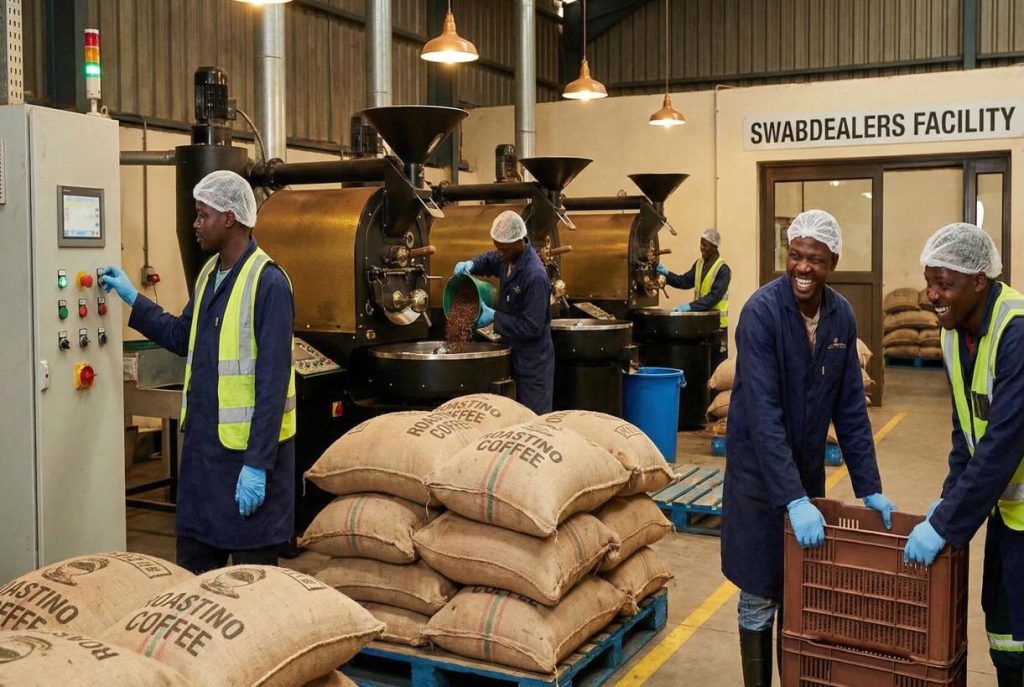
📈 Real-World Example: Swab Dealers Uganda Arabica
| Specification | Average Fair Trade Uganda Arabica | Direct Trade Uganda Arabica (Swab Dealers) |
|---|---|---|
| Price per Container (18 tons) | $81,000 – $108,000 | $54,000 – $81,000 $27k Savings |
| Farmer Receives (per container) | $22,680 – $32,400 (28-40%) | $40,500 – $56,700 (55-78%) +78% More |
| Traceability | Generic Cooperative name only | Specific farms tracked in the Rwenzori region |
| Cupping Score | 78-82 SCA points | 84-87 SCA points Higher Quality |
| Average Lead Time | 10-14 weeks | 6-9 weeks 33% Faster |
Experience the Direct Trade Advantage
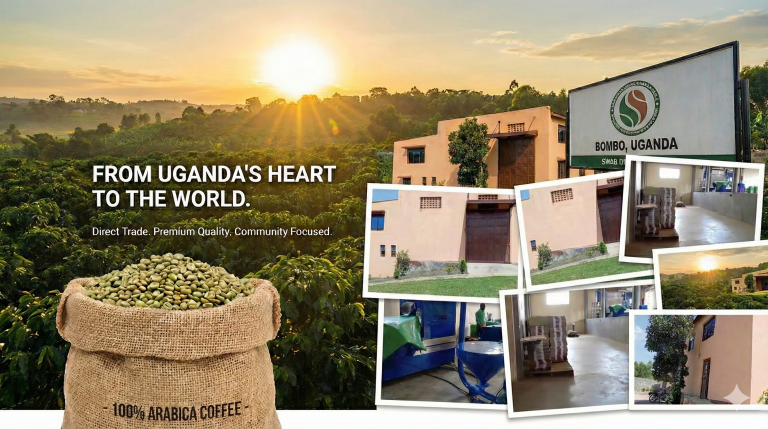
Source premium Uganda Arabica coffee beans directly from our lush, volcanic highland farms. Absolutely no middlemen. Full, undeniable traceability. Vastly better pricing structures for both your roastery and our farmers.
What Is Included:
- ✅ Free logistics sample lots (500g) supplied prior to bulk purchase.
- ✅ Full origin farm visit documentation and visual media.
- ✅ Exact harvest dates, processing specifics, and tracking lot numbers.
- ✅ Highly flexible ocean shipping terms (CIF/FOB) originating from Mombasa port.
- ✅ Minimum Order Quantity: 1 full 20ft container (18-20 tons).
- ✅ Secure, multi-year wholesale supply agreements available upon request.
🔍 How to Logistically Verify Direct Trade Claims
Since true Direct Trade isn’t backed by a paid certification, here is exactly how your purchasing manager must ensure your supplier is legitimate:
✓ Documentation to Request
- Specific farm location coordinates (GPS data).
- Clear processing facility media (photos/videos).
- Valid export certificates and customs documentation.
- Professional cupping score reports (SCA protocol).
- Verifiable payment receipts transferred to farmers.
✓ Questions to Ask Your Importer
- “Can my team fly down and visit the specific farm?”
- “Who exactly processes the coffee and where does that occur?”
- “What is the farmer’s exact percentage share of the payment?”
- “Can I speak directly with the head farmer?”
- “What physical quality control measures exist?”
💼 Supply Chain Action Steps for B2B Buyers
- Define Your Priorities: Aggressive cost savings vs. rigid retail certification needs.
- Request Physical Samples: Cup both traditional Fair Trade and Swab Dealers Direct Trade lots side-by-side.
- Calculate TCO: Accurately factor in massive certification fees, quality consistency, and slow lead times to find the True Cost of Ownership.
- Verify Traceability: Sternly request farm documentation and processing records.
- Start Safely: Order 1-2 containers initially to thoroughly test quality drop and logistics execution.