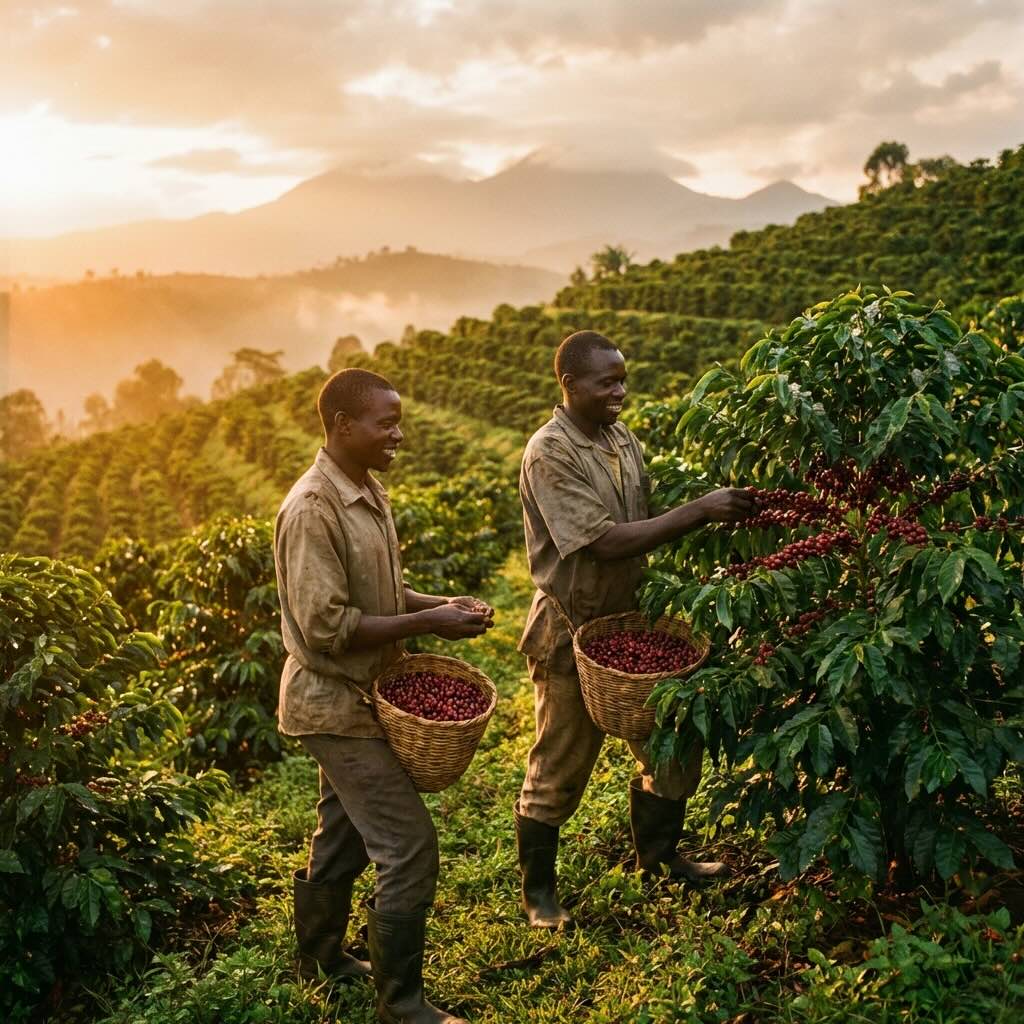
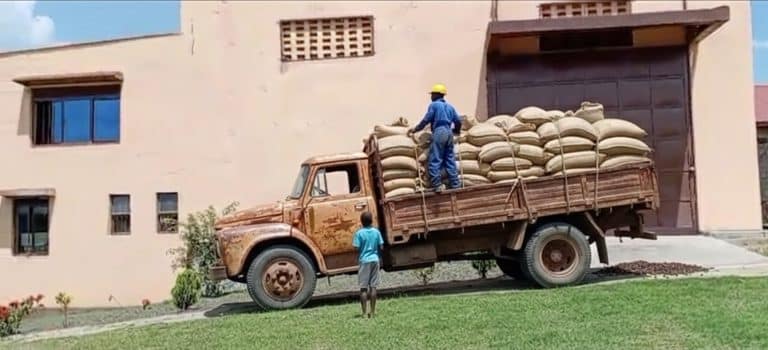
Coffee Export Documents Guide (2026): A Step-by-Step Importer’s Checklist
For B2B Coffee Importers: Importing green coffee beans doesn’t have to feel like a high-stakes gamble. In our years of handling logistics out of East Africa, we’ve learned that 90% of port delays come down to one missing stamp or a mismatched invoice. This guide walks you step-by-step through the exact coffee export documents you need to safely import from Uganda (or any origin) to your warehouse.
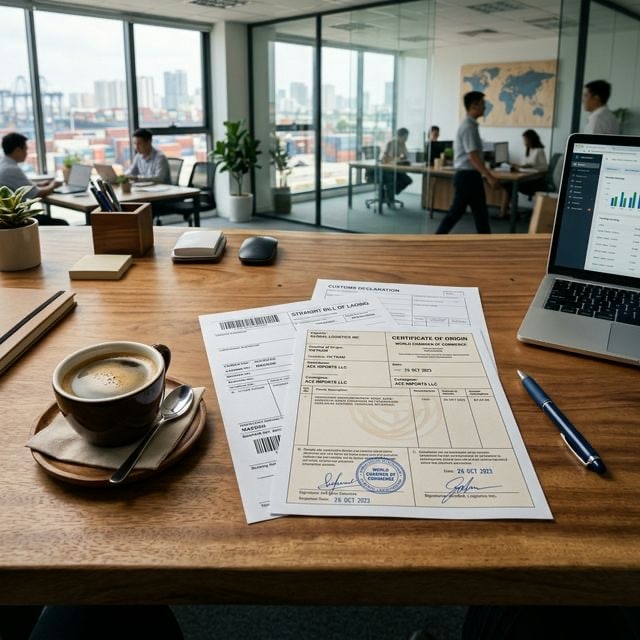
📋 Essential Coffee Export Documents Checklist
Customs officials don’t care about how great your washed Arabica tastes; they only care about compliance. Here is the mandatory paperwork you need to clear your container without racking up costly demurrage fees.
Complete Export Documentation Package
1. UCDA Export Certificate Required
Issued by: Uganda Coffee Development Authority (UCDA)
Purpose: Verifies the beans meet strict origin and quality grading standards.
Timeline: 3-5 business days
Cost: $50-$100 per shipment
2. Phytosanitary Certificate Required
Issued by: Ministry of Agriculture, Animal Industry and Fisheries (Uganda)
Purpose: Absolute necessity. Proves your coffee is free from active pests and diseases.
Timeline: 2-3 business days
Cost: $30-$80
3. Certificate of Origin Required
Issued by: Uganda Chamber of Commerce
Purpose: Crucial for your destination customs to determine import duties (or duty-free status).
Timeline: 1-2 business days
Cost: $25-$50
4. Commercial Invoice Required
Issued by: Exporter / Farm
Purpose: States the transaction value, bean weights, and Incoterms (FOB/CIF). Needs to match your packing list perfectly.
Timeline: Immediate
Cost: Free
5. Packing List Required
Issued by: Exporter / Farm
Purpose: Breaks down bag counts, lot numbers, net/gross weights, and container seal numbers.
Timeline: Same day as packing
Cost: Free
6. Bill of Lading (B/L) Required
Issued by: Shipping Line or Freight Forwarder
Purpose: The most important document. It acts as the title of ownership to release the goods at your port.
Timeline: Issued right after the vessel departs
Cost: Included in freight
7. Additional Certificates If Applicable
• ICO Certificate: Sometimes required for specific tax treatments ($50-$100).
• Organic / Fairtrade: Verify before shipping if marketing under these labels.
• Marine Insurance: Mandatory if you bought on CIF terms against transit damage.
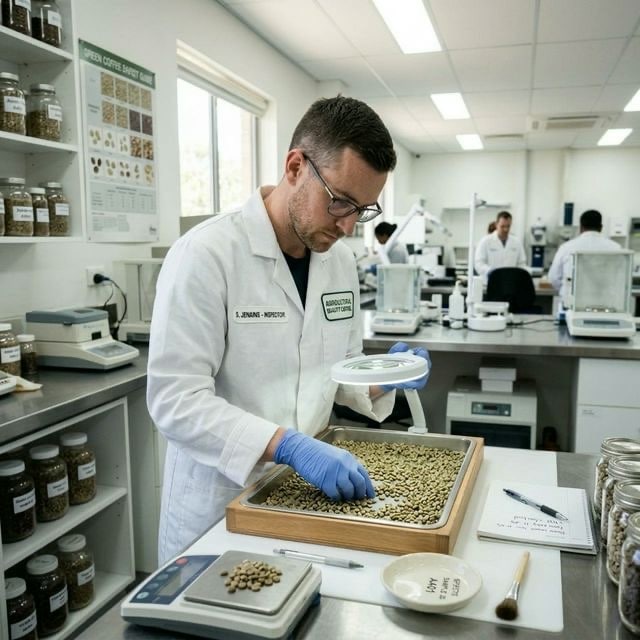
⏱️ Complete Export Timeline: Order to Delivery
If there is one rule in global logistics, it’s that nothing happens overnight. To prevent running out of stock at your roastery, plan your purchasing cycles based on this realistic timeline.
Phase 1: Contract & Sample Cupping
- Days 1-7: Request targeted samples based on your cupping profile. Cup the 500g lots blind to ensure they meet your SCA score standards.
- Days 8-14: Discuss MOQs, negotiate FOB vs CIF, and finalize the contract. Lock in payment terms (Wire transfer or LC).
Phase 2: Quality Inspection & Documentation
- Days 15-21: The exporter submits the lots for UCDA inspection and grading.
- Days 22-28: Processing of the Phytosanitary Certificate and Certificate of Origin. Commercial invoices are drafted.
Phase 3: Mill Processing & Container Loading
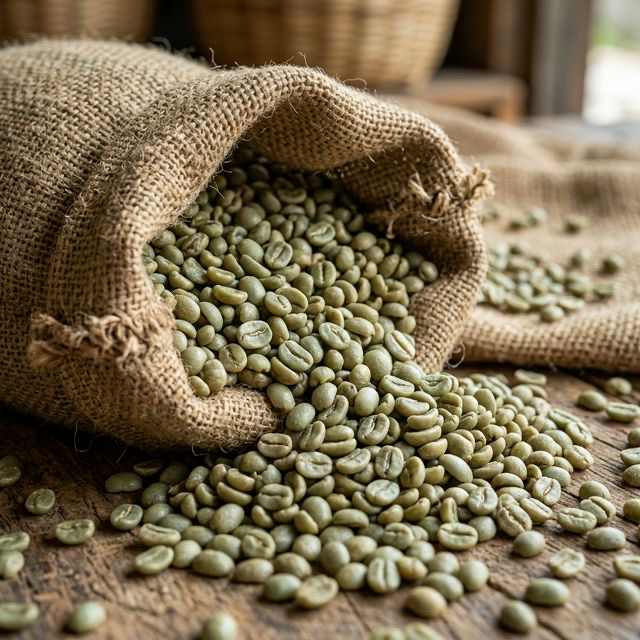
- Days 29-32: Green coffee is hulled, sorted, and packed into GrainPro hermetic liners inside 60kg jute bags.
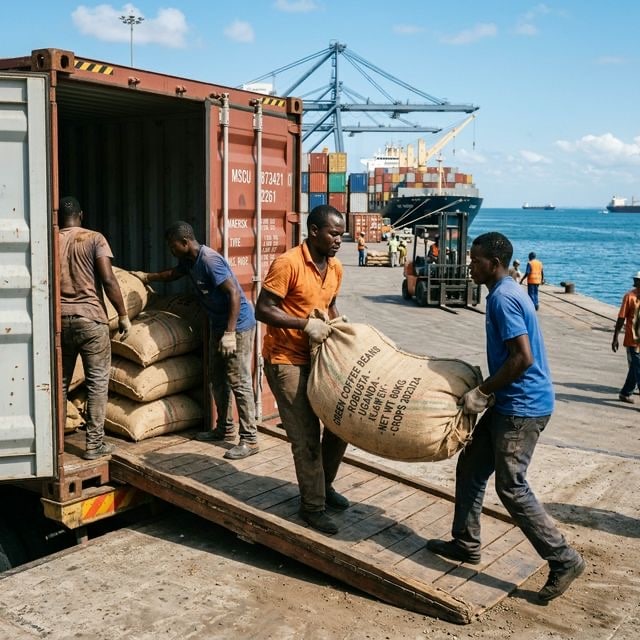
- Days 33-35: Bags are trucked to the loading facility, stuffed into a 20-foot container (about 300 to 320 bags), and sealed tightly for customs export declaration.
Phase 4: Trucking & Ocean Freight
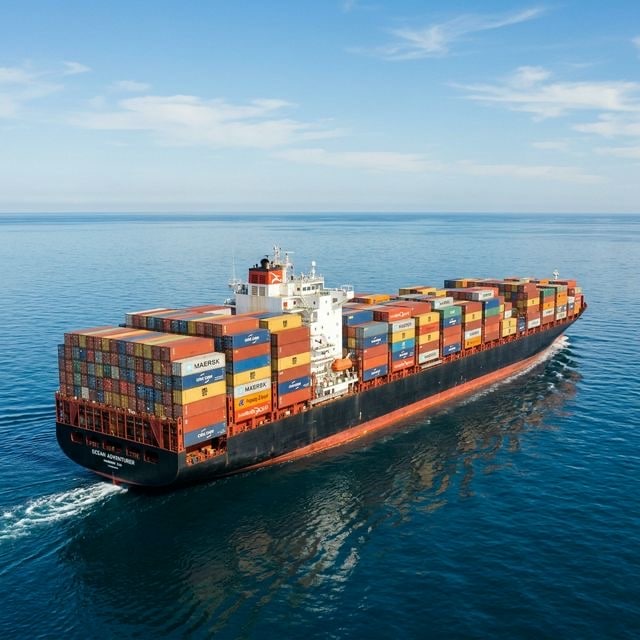
- Days 36-40: The container travels via truck from Kampala to the Port of Mombasa (Kenya).
- Days 41-70+: Loaded onto the vessel. Transit times depend strictly on your location:
- 🇪🇺 Europe (Hamburg/Rotterdam): 25-30 days
- 🇺🇸 USA East Coast: 30-35 days
- 🇺🇸 USA West Coast: 35-40 days
- 🇦🇪 Middle East: 10-14 days
- 🇨🇳 Asia: 20-25 days
Phase 5: Import Customs & Warehouse Delivery
- Days 71-76: Vessel docks. Submit your coffee export documents (Commercial Invoice, Phyto, B/L) to your local customs broker immediately.
- Days 77-84: Pay applicable import duties, clear random FDA/Customs inspections, and truck the container directly to your roastery.
💰 Complete Cost Breakdown (Per 20-foot Container)
Don’t be surprised by hidden fees. Below is a practical cost structure comparing FOB (Free on Board) to CIF (Cost, Insurance & Freight) for a standard 18-ton container.
FOB vs. CIF Pricing Transparency
| Cost Component | FOB Mombasa | CIF Your Port |
|---|---|---|
| Green Coffee (18 tons @ $3.50/lb) | $62,000 – $70,000 | $62,000 – $70,000 |
| Export Certifications (UCDA, Phyto, Origin) | $170 | $170 |
| Packaging Materials (GrainPro & Jute) | $400 | $400 |
| Kampala to Mombasa Inland Transport | $1,350 | $1,350 |
| Port Handling (THC) | $450 | $450 |
| SUBTOTAL (FOB) | ~$68,000 | — |
| Ocean Freight (To destination) | Buyer arranges | $2,500 – $4,500 |
| Marine Insurance (1% Cargo Value) | Buyer arranges | ~$680 |
| TOTAL (CIF) | — | ~$72,000 |
📄 Document Templates & Samples
We believe in absolute transparency. Your commercial structures must look identical to the formats below to pass customs smoothly.
1. Commercial Invoice Template
2. Packing List Template
🚨 Common Documentation Mistakes to Avoid
A single typo can hold your coffee at the port for a week, accruing daily demurrage fees. Avoid these common blunders we see all the time:
- Weight Mismatches: The Bill of Lading shows “18,200 kg” but your invoice says “18,000 kg.” Customs will instantly flag this.
- Expired Phyto Certificates: Phytosanitary certificates usually expire within 14 days of issuance if the vessel hasn’t sailed.
- Inconsistent Incoterms: Don’t invoice as “FOB” if the freight cost is visibly baked into the unit price without being line-itemized.
- Missing Tax IDs: Ensure your registered importer EORI number (EU) or Employer ID (US) is accurately printed on the B/L.
🌍 Country-Specific Import Requirements
Global regulations dictate different paperwork demands depending on where your roastery is located.
🇺🇸 United States
- FDA Prior Notice: You must file this electronically 2 to 8 hours before the cargo arrives.
- Duties: Green coffee (HS 0901.11) enters the US duty-free.
- Customs Bond: You need a continuous import bond (usually $50k) to clear commercial shipments.
🇪🇺 European Union
- EORI Registration: Mandatory for the importer of record.
- MRL Testing: The EU is incredibly strict on Maximum Residue Levels for pesticides. We perform proactive testing before shipment.
- Duties: Uganda enjoys duty-free status into the EU under the GSP program.
🇦🇪 United Arab Emirates
- Chamber Attestation: The Certificate of Origin must be physically attested by the UAE Embassy in the region prior to export.
- Duties: Expect a standard 5% duty unless importing into a specific Free Trade Zone.
🔐 Payment Terms & Risk Management
Trust is earned, but business is secured with smart payment structures. Here is how you protect your capital during international transit.
1. Letter of Credit (LC)
The Safest Route: Your bank guarantees payment only when we provide flawless, original shipping documents. Great for first-time buyers, though it costs about 1-2% in bank fees.
2. Advance + Cash Against Documents (CAD)
The Industry Standard: You wire 30% upfront to lock the contract and fund the milling. You pay the remaining 70% only after receiving a scan of the finalized Bill of Lading.
🎯 Streamlining Your Import Process
Navigating certificates, custom borders, and shipping lines can be a full-time job. Or, you can let your supply partner handle the headache.
We Handle The Paperwork. You Roast The Coffee.
When you source Ugandan Arabica directly through Swab Dealers, we manage the entire farm-to-port export documentation process for free.
✅ Guaranteed With Every Contract:
- UCDA & Phytosanitary Certificates executed without delay.
- Flawless Commercial Invoices & Packing Lists that match to the decimal.
- SCA Cupping Reports and full lot traceability coordinates.
- Original Bills of Lading couriered via DHL or Telex Released instantly.
Your only job is receiving the container.
Request a Wholesale Quote Today📝 Start Your B2B Inquiry
Share your destination port, expected monthly volume, preferred Incoterm (FOB or CIF), and target arrival month. We will map documentation and shipping steps around your timeline.
FAQ: Coffee Import Documentation
These are real, high-friction questions importers ask when moving coffee containers internationally. Answers below are practical, compliance-focused, and written for B2B buying teams.
Real Questions from Coffee Importers
☑
1. What exact documents do I send my customs broker first? Required
Direct answer: Start with draft Commercial Invoice, draft Packing List, shipper/consignee details, and booking data 7 to 10 days before ETA.
Then send finals: Signed Invoice, Packing List, Phytosanitary Certificate, Certificate of Origin, and final B/L details as soon as released.
Why this matters: Early draft review catches name, weight, and Incoterm mismatches before customs filing.
☑
2. Which fields must match perfectly across Invoice, Packing List, and Bill of Lading? Required
Direct answer: Consignee legal name, notify party, product description, bag count, lot references, net/gross weight, container number, seal number, and Incoterm must match exactly.
Practical rule: If one number changes anywhere, issue synchronized revisions to all affected documents at once.
☑
3. For U.S. imports, when is FDA Prior Notice legally due? Required
Direct answer: FDA Prior Notice must be confirmed before arrival. Minimum windows are transport-based: road (2h), rail (4h), air (4h), and ocean/water (8h).
Operational tip: File earlier than the minimum to avoid holds from last-minute corrections.
☑
4. Do I also need ISF (10+2) for ocean shipments into the U.S.? Required
Direct answer: Yes. CBP requires ISF for qualifying ocean imports, and key data must be filed no later than 24 hours before cargo is loaded at origin port.
Risk: Late or inaccurate ISF can trigger penalties, exams, and preventable clearance delays.
☑
5. Is green coffee really duty-free in the U.S.? Verify
Direct answer: Under U.S. HTS heading 0901.11 (non-roasted, non-decaf coffee), the general rate is listed as Free.
Important: Duty-free does not mean cost-free. You still budget for broker fees, terminal handling, inspections, and inland drayage.
☑
6. Do I need a customs bond for commercial coffee shipments? Required
Direct answer: In most U.S. commercial cases, yes. Formal entries (generally over $2,500) usually require a bond.
Common setup: Frequent importers often use a continuous bond (commonly at least $50,000, subject to CBP criteria).
☑
7. Original Bill of Lading vs Telex Release: which should first-time buyers choose?
Direct answer: First-time importers usually reduce payment risk with Original B/L control, especially under LC or tight CAD terms.
When to use telex: After trust is established and payment discipline is proven, telex release speeds up delivery and reduces courier dependency.
☑
8. What is the practical difference between demurrage and detention?
Direct answer: Demurrage is terminal storage over free time; detention is extra time using carrier equipment outside terminal.
How to avoid both: Pre-book customs clearance, trucking, and warehouse unloading slots before vessel arrival.
☑
9. If shipment details change after filing, can we just edit the old submission?
Direct answer: Not always. For FDA Prior Notice, significant data changes typically require a new submission rather than editing the old confirmed notice.
Best process: Stop release steps, notify broker immediately, and reissue a clean corrected document set.
☑
10. I also sell to Europe. Is EUDR already active for coffee shipments? Planning
Direct answer: EU Commission timelines currently point to application on 30 December 2026 for larger operators, with later treatment for some smaller operators.
Action now: Build lot-level traceability records (farm data, geolocation, chain-of-custody documents) before enforcement dates.
☑
11. Can I start with roasted SKUs while my green import system is still being built?
Direct answer: Yes. Many B2B buyers launch with roasted wholesale lines while parallel-building container import compliance.
Internal product options:
• Roastino Dark Roast Arabica Coffee (Wholesale B2B)
• Roastino Medium Roast Arabica Coffee (Wholesale B2B)
⚠️ Compliance Reminder: Customs and food import rules can change. Re-confirm filing windows, bond status, and tariff treatment before each shipment, not once per year.
Before You Request a Wholesale Green Coffee Quote
Use these practical questions to prepare your first inquiry and compare supplier quotations on the same terms.
How much does it cost to import green coffee beans?
The final cost includes the coffee price, export handling, inland transport, port charges, ocean freight, insurance, customs clearance, duties or taxes, and delivery to your warehouse. Costs vary by origin, order volume, destination port, Incoterm, and shipment date. Ask for a quote that clearly separates FOB, freight, insurance, and destination charges.
What information is needed for a wholesale green coffee quote?
Provide the coffee type, preferred origin, green or roasted format,, expected order quantity, destination country or port, packaging requirements, and target delivery date. State whether you want an FOB or CIF quotation and whether you need samples, private-label packaging, or a specific quality profile. Clear requirements produce a faster and more comparable quote.
Can I request a green coffee sample before placing a bulk order?
Yes. Buyers should evaluate a representative sample before committing to a bulk order, especially when sourcing a new origin, process, or supplier. Confirm that the sample identifies the exact lot, harvest, grade, and processing method. For larger orders, request a pre-shipment sample of the contracted lot before final release.
Should first-time coffee importers choose FOB or CIF?
FOB gives the buyer more control over the freight forwarder and sea freight, but it requires stronger logistics capability. CIF includes freight and insurance to the named destination port, which can simplify planning for a first order. Compare both offers carefully because destination handling, customs clearance, duties, and local transport remain separate costs.
How can I avoid delays when importing green coffee?
Confirm document requirements with your customs broker before shipment, then check that the invoice, packing list, certificate of origin, phytosanitary certificate, and bill of lading use matching shipment details. Arrange customs clearance, port collection, and warehouse delivery before arrival. Reconfirm destination-country food-import and customs rules for every shipment.
Official Sources (Legitimate References)
- FDA: Prior Notice Guidance for Imported Food Shipments
- CBP: Importer Security Filing (ISF)
- CBP: Formal Entry Requirements
- CBP: Customs Bonds (Single vs Continuous)
- USITC HTS Search: 0901.11 (Green Coffee)
- Federal Maritime Commission: Detention and Demurrage
- European Commission: Deforestation Regulation (EUDR)
- IPPC ISPM 12: Phytosanitary Certificates