Direct Trade vs. Fair Trade Coffee: Which Model Delivers Better Value for B2B Buyers?
🎯 The Bottom Line for B2B Coffee Buyers:
Direct Trade typically offers 20-35% cost savings with superior traceability and quality consistency compared to Fair Trade certification. Here’s the complete breakdown to help you make the best sourcing decision for your business.
⚖️ What’s the Difference? Understanding Both Models
📜 Fair Trade: The Certified Approach
Fair Trade is a certification system managed by organizations like Fairtrade International and Fair Trade USA. It guarantees minimum prices to farmers and enforces specific labor and environmental standards.
Fair Trade Supply Chain
🤝 Direct Trade: The Relationship-Based Approach
Direct Trade is not a certification but a business model where buyers establish direct relationships with coffee producers, eliminating intermediaries and creating transparent, long-term partnerships.
Direct Trade Supply Chain
💰 Cost Comparison: The Real Numbers
Fair Trade Coffee
Average Cost per lb (Green Beans) $4.50-$6.00- Base minimum price: $1.40/lb
- Organic premium: +$0.30/lb
- Certification fees: $0.20-0.40/lb
- Importer markup: 15-25%
- Limited traceability
Direct Trade Coffee Best Value
Average Cost per lb (Green Beans) $3.00-$4.50- Farm-direct pricing
- No certification fees
- No middleman markup
- Farmers earn MORE
- Full traceability
💵 Breakdown: Where Does Your Money Go?
| Cost Component | Fair Trade | Direct Trade |
|---|---|---|
| Farmer Receives | $1.40 – $2.00/lb (28-40%) | $2.50 – $3.50/lb (55-78%) Better |
| Certification/Admin Fees | $0.20 – $0.40/lb | $0 (eliminated) |
| Cooperative/Intermediary Costs | $0.50 – $1.00/lb | $0 (direct relationship) |
| Importer Markup | $0.70 – $1.20/lb (15-25%) | $0.30 – $0.50/lb (10-12%) |
| Final Price to You | $4.50 – $6.00/lb | $3.00 – $4.50/lb Save 30% |
📊 Complete Feature Comparison
| Feature | Fair Trade | Direct Trade |
|---|---|---|
| 🌍 Traceability & Transparency | ||
| Farm-Level Traceability | ✗ Cooperative level only | ✓ Individual farm tracking Winner |
| Processing Method Info | ✗ Limited | ✓ Complete transparency |
| Harvest Date Tracking | ✗ General season only | ✓ Exact lot dates |
| Farmer Relationship | Anonymous through cooperative | Direct personal connection Winner |
| 💵 Financial Impact | ||
| Cost to Buyer | $4.50-$6.00/lb | $3.00-$4.50/lb 20-35% Less |
| Farmer Income | $1.40-$2.00/lb (28-40% of sale) | $2.50-$3.50/lb (55-78% of sale) Better |
| Certification Costs | $0.20-$0.40/lb (passed to buyer) | $0 (no certification needed) |
| Price Predictability | Fixed minimum ($1.40/lb since 2011) | Market-based, negotiable Flexible |
| ☕ Quality & Consistency | ||
| Quality Standards | Basic minimum (all grades mixed) | Customizable to your specs Winner |
| Lot Separation | Often blended at cooperative | Individual lots maintained Winner |
| Quality Feedback Loop | Indirect through cooperative | Direct communication with farm |
| Cupping Scores | Usually 75-82 SCA points | Typically 82-88+ SCA points Higher |
| 🔄 Supply Chain Flexibility | ||
| Minimum Order Quantity | Often 2-3 containers minimum | Flexible (1 container+) More Flexible |
| Custom Processing | Limited options | Can request specific methods Customizable |
| Shipping Coordination | Through designated exporters | Direct arrangement (CIF/FOB options) |
| Contract Flexibility | Standardized certification terms | Negotiable partnership terms Flexible |
| ⏱️ Speed to Market | ||
| Order to Delivery | 8-16 weeks | 6-10 weeks Faster |
| Sample Requests | Through importer (2-4 weeks) | Direct from farm (1-2 weeks) |
| Communication Time | Multiple intermediaries (days) | Direct contact (hours) Instant |
| 🌱 Sustainability & Ethics | ||
| Environmental Standards | ✓ Certified protocols | ✓ Verified through relationship |
| Labor Standards | ✓ Third-party audits | ✓ Direct observation possible |
| Community Investment | Fair Trade premium fund ($0.20/lb) | Direct negotiation (often higher) More Impact |
| Long-term Farmer Support | Minimum price guarantee | Multi-year partnerships Stronger |
✅ Pros & Cons: Making Your Decision
✓ Fair Trade Advantages
- Recognized Certification: Consumer-facing marketing value
- Minimum Price Protection: Farmers guaranteed $1.40/lb floor
- Established Infrastructure: Well-known importers and distributors
- Third-Party Auditing: External verification of standards
- Community Premium: $0.20/lb for cooperative projects
⚠ Fair Trade Limitations
- Higher Costs: Certification fees add 20-35% to final price
- Limited Traceability: Can’t track to individual farms
- Quality Variability: All grades blended at cooperative level
- Slow Response: Multiple layers slow communication
- Minimum Price Outdated: $1.40/lb unchanged since 2011 (below market)
✓ Direct Trade Advantages
- 20-35% Cost Savings: No middlemen or certification fees
- Full Traceability: Know exactly which farm, lot, and harvest date
- Higher Quality: Select specific lots based on cupping scores
- Farmers Earn More: 55-78% of sale price vs. 28-40%
- Faster Communication: Direct contact for quick problem-solving
- Customization: Request specific processing methods
- Relationship Building: Long-term partnerships with growers
⚠ Direct Trade Considerations
- No Official Certification: Can’t use Fair Trade label
- Requires Due Diligence: Must verify farm practices yourself
- Relationship Management: Takes time to build trust
- Less Consumer Recognition: Need to educate customers on benefits
🎯 Which Model is Right for Your Business?
Choose Fair Trade If:
- ✓ Your customers specifically demand Fair Trade certification
- ✓ You prioritize third-party verification over direct relationships
- ✓ You’re willing to pay 20-35% premium for the label
- ✓ Marketing the Fair Trade logo is critical to your brand
- ✓ You prefer working with established importers/distributors
Choose Direct Trade If:
- ✓ You want maximum cost savings (20-35% less)
- ✓ You need full traceability to individual farms and lots
- ✓ You want to support farmers more directly (they earn 55-78% vs 28-40%)
- ✓ You prioritize quality consistency and cupping scores 82+
- ✓ You want flexibility in MOQs, processing, and shipping
- ✓ You value long-term supplier relationships
- ✓ You’re comfortable verifying sustainability practices directly
📈 Real-World Example: Uganda Arabica Coffee
| Specification | Fair Trade Uganda Arabica | Direct Trade Uganda Arabica |
|---|---|---|
| Price per Container (18 tons) | $81,000 – $108,000 | $54,000 – $81,000 $27k Savings |
| Farmer Receives (per container) | $22,680 – $32,400 (28-40%) | $40,500 – $56,700 (55-78%) +78% More |
| Traceability | Cooperative name only | Specific farms in Rwenzori region |
| Cupping Score | 78-82 SCA points | 84-87 SCA points Higher Quality |
| Lead Time | 10-14 weeks | 6-9 weeks 33% Faster |
| Certification Fees | $3,600 – $7,200 | $0 |
Experience the Direct Trade Advantage
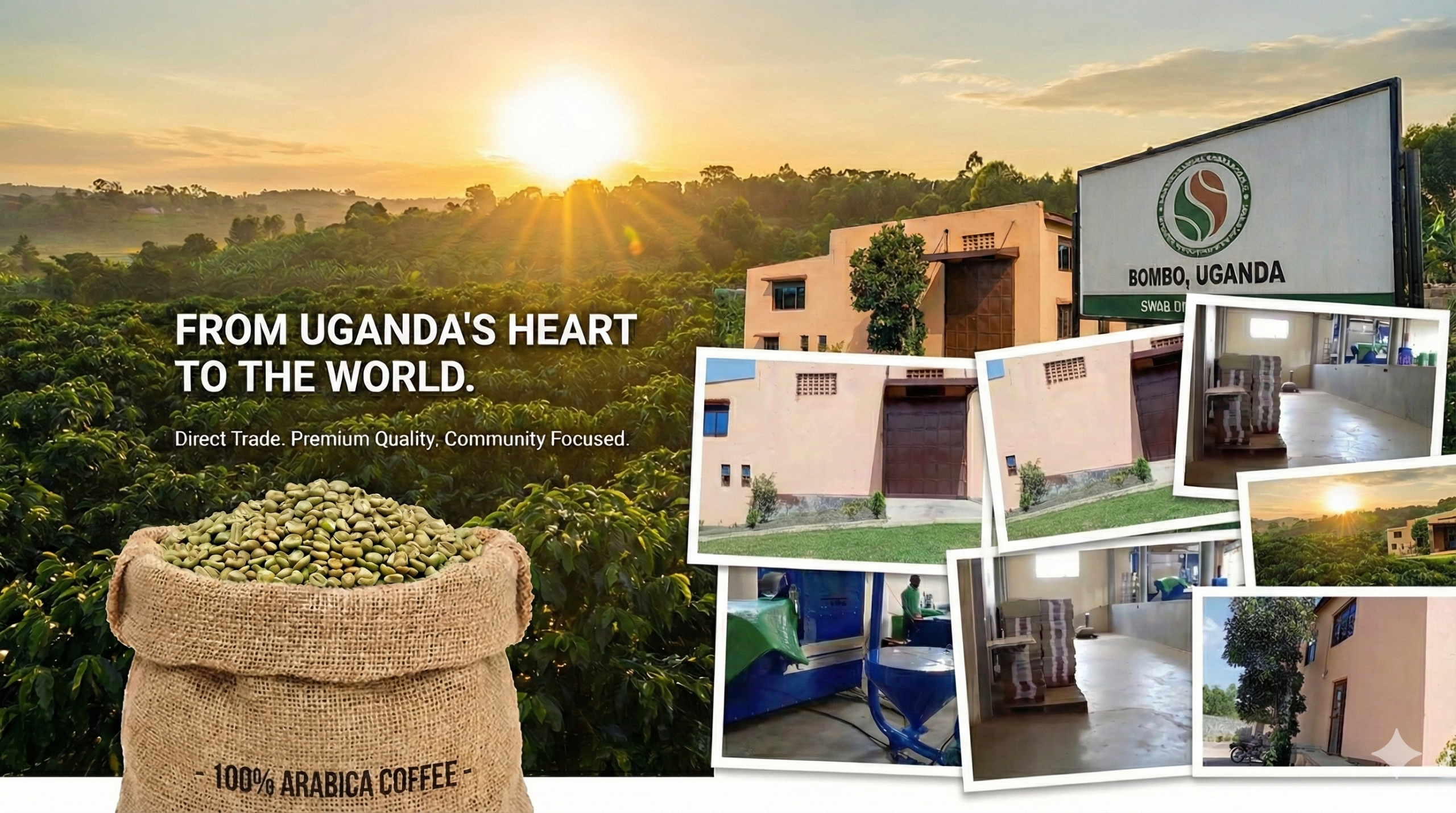
Source premium Uganda Arabica coffee beans directly from our volcanic highland farms. No middlemen. Full traceability. Better prices for you and farmers.
What’s Included:
- ✅ Free sample lots (500g) before bulk purchase
- ✅ Full farm visit documentation & photos
- ✅ Harvest date, processing method, lot number included
- ✅ Flexible shipping (CIF/FOB) from Mombasa port
- ✅ MOQ: 1 container (18-20 tons)
- ✅ Multi-year supply agreements available
🔍 How to Verify Direct Trade Claims
Since Direct Trade isn’t certified, here’s how to ensure your supplier is legitimate:
✓ Documentation to Request
- Farm location coordinates (GPS)
- Processing facility photos/videos
- Export certificates and customs docs
- Cupping score reports (SCA protocol)
- Payment receipts to farmers
- Harvest and processing timelines
✓ Questions to Ask
- “Can I visit the farm?”
- “Who processes the coffee and where?”
- “What’s the farmer’s share of payment?”
- “Can I speak directly with the farmer?”
- “What quality control measures exist?”
- “How do you ensure traceability?”
💼 Action Steps for B2B Buyers
- Define Your Priorities: Cost savings vs. certification needs
- Request Samples: Cup both Fair Trade and Direct Trade lots side-by-side
- Calculate TCO: Factor in certification fees, quality consistency, and lead times
- Verify Traceability: Request farm documentation and processing records
- Start Small: Order 1-2 containers initially to test quality and logistics
- Build Relationships: Meet your direct trade partners (in-person or virtual)
- Monitor Quality: Track cupping scores and defect rates over multiple shipments