Coffee Export Documentation: From Uganda to Your Warehouse
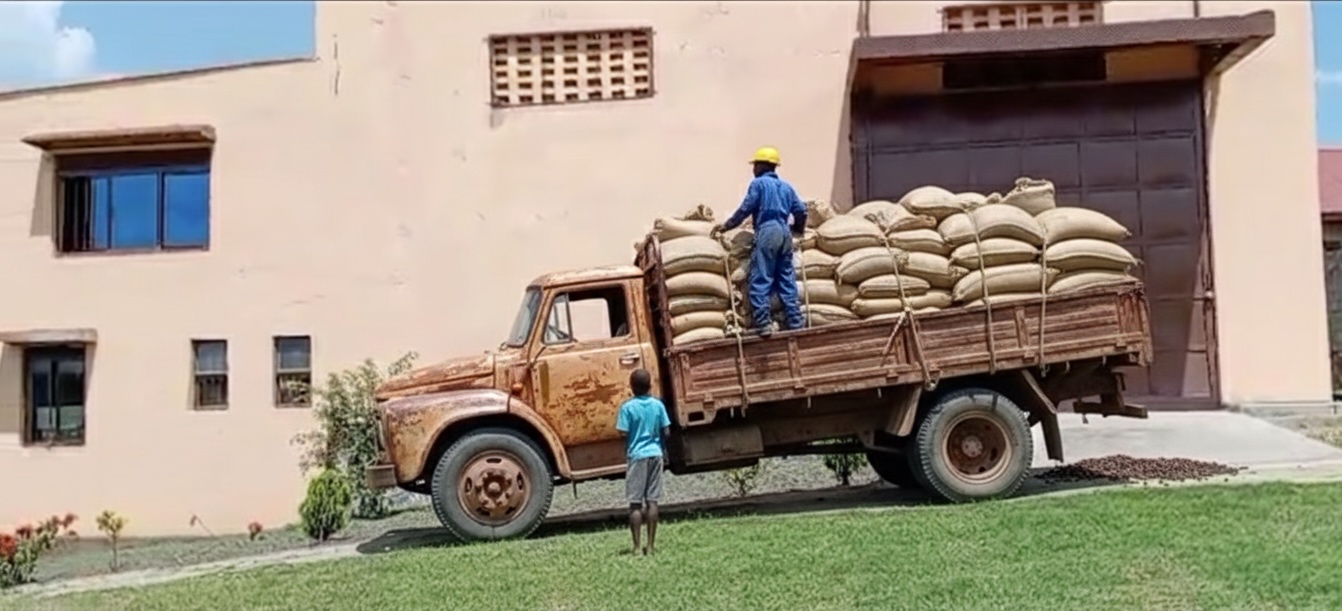
For B2B Coffee Importers: Navigating international coffee trade requires precise documentation. This comprehensive guide covers all required certificates, permits, and paperwork needed to import green coffee beans from Uganda (or any African origin) to your destination country, with realistic timelines and cost breakdowns.
📋 Essential Documents Checklist
Complete Export Documentation Package
1. UCDA Export Certificate Required
Issued by: Uganda Coffee Development Authority (UCDA)
Purpose: Verifies coffee origin, quality grade, and legal export status
Timeline: 3-5 business days
Cost: $50-$100 per shipment
2. Phytosanitary Certificate Required
Issued by: Ministry of Agriculture, Animal Industry and Fisheries
(Uganda)
Purpose: Certifies coffee is pest-free and meets plant health standards
Timeline: 2-3 business days
Cost: $30-$80
3. Certificate of Origin Required
Issued by: Uganda Chamber of Commerce or relevant authority
Purpose: Documents country of origin for customs clearance
Timeline: 1-2 business days
Cost: $25-$50
4. Commercial Invoice Required
Issued by: Exporter (seller/coffee farm)
Purpose: Details transaction value, quantity, unit price, terms of sale
Timeline: Same day as contract
Cost: Free (prepared by exporter)
5. Packing List Required
Issued by: Exporter
Purpose: Lists all bags, weights, lot numbers, container details
Timeline: Same day as packing
Cost: Free
6. Bill of Lading (B/L) Required
Issued by: Shipping company/freight forwarder
Purpose: Proof of shipment and title document for goods
Timeline: Issued upon container loading
Cost: Included in freight charges
7. ICO Certificate of Origin If Applicable
Issued by: International Coffee Organization (ICO)
Purpose: For ICO member countries requiring specific tax treatment
Timeline: 3-5 business days
Cost: $50-$100
8. Organic/Fair Trade Certificate If Applicable
Issued by: Certifying body (USDA Organic, Fairtrade, etc.)
Purpose: Verifies organic or fair trade claims
Timeline: Already obtained (farm-level certification)
Cost: $300-$2,000 annually (farm pays)
9. Insurance Certificate If CIF Terms
Issued by: Insurance company
Purpose: Protects against loss/damage during transit (required for CIF
shipments)
Timeline: 1-2 business days
Cost: 0.5-1% of cargo value
10. Quality/Cupping Report Recommended
Issued by: Q-Grader or certified cupping lab
Purpose: Documents SCA cupping score, flavor profile, defects
Timeline: 1-2 days before shipment
Cost: $50-$150 per lot
⏱️ Complete Export Timeline: Order to Delivery
Phase 1: Contract Negotiation & Sample Approval
- Day 1-3: Request samples, negotiate FOB/CIF pricing, discuss MOQs
- Day 4-7: Receive and cup samples (500g-1kg lots), verify quality scores
- Day 8-10: Approve samples, finalize contract terms, agree on delivery schedule
- Day 11-14: Sign purchase contract, arrange payment terms (LC or wire transfer)
Phase 2: Quality Verification & Documentation Prep
- Day 15-18: UCDA inspection and grading of final lots
- Day 19-21: Apply for UCDA Export Certificate (3-5 day processing)
- Day 22-24: Apply for Phytosanitary Certificate (2-3 day processing)
- Day 25-27: Obtain Certificate of Origin from Chamber of Commerce
- Day 28: Prepare commercial invoice, packing list, and shipping instructions
Phase 3: Container Loading & Export Clearance
- Day 29-30: Pack coffee into 60kg jute bags with GrainPro liners
- Day 31-32: Transport bags to container loading facility (Kampala or Mombasa)
- Day 33: Load container (18-20 tons = 300-333 bags), seal, and weigh
- Day 34: Uganda customs clearance and export declaration
- Day 35: Obtain Bill of Lading from shipping line, courier originals to buyer
Phase 4: Ocean Freight (Mombasa to Destination Port)
- Day 36-38: Truck transport from Kampala to Mombasa port (Kenya) – 2-3 days
- Day 39-42: Port handling and loading onto vessel at Mombasa
- Day 43-70: Ocean transit time (varies by destination):
- 🇪🇺 Europe (Rotterdam/Hamburg): 25-30 days
- 🇺🇸 USA East Coast (NY/Miami): 30-35 days
- 🇺🇸 USA West Coast (LA/Oakland): 35-40 days
- 🇦🇪 Middle East (Dubai/Jeddah): 10-14 days
- 🇨🇳 Asia (Shanghai/Singapore): 20-25 days
Phase 5: Import Clearance & Final Delivery
- Day 71-73: Vessel arrival at destination port, container unloading
- Day 74-76: Submit import documents to customs (commercial invoice, B/L, certificates)
- Day 77-78: Pay import duties and taxes (if applicable)
- Day 79-80: Customs inspection (random or risk-based)
- Day 81-84: Release from port, truck delivery to your warehouse
💰 Complete Cost Breakdown (Per 20-foot Container)
FOB vs. CIF Pricing Comparison
Container Size: 20-foot standard (18-20 metric tons / 40,000-44,000 lbs green coffee)
| Cost Component | FOB Mombasa | CIF Your Port |
|---|---|---|
| Green Coffee Beans (18 tons @ $3.50/lb avg) | $62,000 – $70,000 | $62,000 – $70,000 |
| UCDA Export Certificate | $75 | $75 |
| Phytosanitary Certificate | $55 | $55 |
| Certificate of Origin | $40 | $40 |
| Packing Materials (GrainPro bags, jute) | $300 – $500 | $300 – $500 |
| Kampala to Mombasa Transport | $1,200 – $1,500 | $1,200 – $1,500 |
| Mombasa Port Handling Fees | $350 – $500 | $350 – $500 |
| SUBTOTAL (FOB Mombasa) | $64,020 – $72,615 | — |
| Ocean Freight (Mombasa to destination) | Buyer arranges | $2,500 – $4,500 (varies) |
| Marine Insurance (1% of cargo value) | Buyer arranges | $620 – $700 |
| TOTAL (CIF Your Port) | — | $67,140 – $77,815 |
| Additional Costs at Destination (Buyer’s Responsibility) | ||
| Import Duties & Taxes | Varies by country (0-10% typically for coffee) | |
| Customs Broker Fees | $200 – $500 | |
| Port Unloading & Storage | $300 – $600 | |
| Local Trucking to Warehouse | $300 – $800 (distance-dependent) | |
- Fuel Surcharges: Ocean freight can fluctuate ±20% based on bunker fuel prices
- Peak Season: Shipping rates increase 15-30% during November-January (Christmas rush)
- Container Shortages: Port congestion can add $500-$1,500 in demurrage fees if delays occur
- Exchange Rates: USD/UGX fluctuations affect final landed cost
📄 Document Templates & Samples
1. Commercial Invoice Template
2. Packing List Template
🚨 Common Documentation Mistakes to Avoid
Critical Errors That Delay Shipments:
- Mismatched Information: Bill of Lading shows “18.5 tons” but invoice says “18 tons” → Customs rejection
- Expired Certificates: Phytosanitary certificate dated >14 days before shipment → Re-inspection required
- Missing Signatures: UCDA certificate lacks authorized signature → Shipment held at port
- Incorrect Incoterms: Invoice says “FOB” but freight was arranged by seller → Payment disputes
- Wrong HS Codes: Using general code instead of specific coffee grade code → Higher duties assessed
- Incomplete Buyer Info: Missing importer’s tax ID → Customs can’t release cargo
✅ Pre-Shipment Checklist (Print & Use)
🌍 Country-Specific Import Requirements
🇺🇸 United States
- No import duties on green coffee beans (HS 0901.11)
- FDA Prior Notice: Required 2-8 hours before arrival (submitted electronically)
- Customs Bond: Continuous bond required for regular importers ($50,000 minimum)
- Organic Claims: Must have USDA NOP certification if labeled organic
🇪🇺 European Union
- No import duties under GSP (Generalized System of Preferences) for Uganda
- EORI Number: Economic Operator Registration required for importer
- EU Organic: Requires EU-approved certification body (not just USDA organic)
- Pesticide Testing: Random testing for Maximum Residue Levels (MRL compliance)
🇦🇪 United Arab Emirates
- 5% import duty on coffee beans (can vary by Free Zone)
- Halal Certification: Not required for green beans (only roasted/packaged)
- Chamber Attestation: Certificate of Origin must be UAE-embassy attested
🇨🇳 China
- 8% import duty + 13% VAT on coffee beans
- CIQ Inspection: Mandatory quarantine inspection at entry port
- Label Requirements: Chinese-language labels required even for green beans
- Registration: Exporter must be registered with China Customs (GACC)
🔐 Payment Terms & Risk Management
Common Payment Structures
1. Letter of Credit (LC) – Safest for Both Parties
- How it works: Bank guarantees payment upon document presentation
- Seller protection: Guaranteed payment if docs are correct
- Buyer protection: Money released only when goods shipped
- Cost: 1-2% of transaction value (typically $700-$1,400 per container)
- Timeline: Adds 5-10 days to payment processing
2. Partial Advance + CAD (Cash Against Documents)
- How it works: 30-50% paid upfront, balance upon B/L presentation
- Best for: Established relationships after 2-3 successful shipments
- Risk: Moderate (seller has partial security, buyer relies on trust)
- Cost: Wire transfer fees only ($25-$50)
- Timeline: Fast (payment same day when docs emailed)
3. Full Advance Payment
- How it works: 100% paid before shipment
- Best for: Long-term partnerships, direct trade relationships
- Risk: High for buyer (relies on seller integrity)
- Benefit: Often qualifies for 5-10% discount
🎯 Streamlining Your Import Process
Work with a Direct Trade Partner Who Handles Documentation
The easiest way to import coffee is to work with an exporter who:
- ✅ Provides all certificates and documents as part of FOB/CIF price
- ✅ Has established relationships with UCDA and shipping lines
- ✅ Offers complete traceability (farm-to-port documentation)
- ✅ Coordinates with your customs broker for smooth clearance
- ✅ Provides pre-shipment samples and cupping reports
We Handle All Export Documentation for You
When you source directly from us, you receive a complete documentation package with every shipment:
✅ Included in Every Shipment:
- UCDA Export Certificate (quality verified, origin certified)
- Phytosanitary Certificate (pest-free guarantee)
- Certificate of Origin (chamber-certified)
- Commercial Invoice & Packing List (customs-ready)
- Bill of Lading (original or Telex release)
- Cupping Report (SCA score 84-87 typical)
- Lot Traceability (farm coordinates, harvest dates, processing methods)
- Marine Insurance (included if CIF terms)
Your only job: Arrange customs clearance at
destination.
We handle everything from farm to port.
📦 Standard Lead Time: 6-10 weeks from contract
to your warehouse
💰 Transparent Pricing: FOB $3.00-$4.50/lb | CIF $3.50-$5.00/lb
📊 Minimum Order: 1 container (18-20 tons)