Why Women Should Choose Organic Coffee
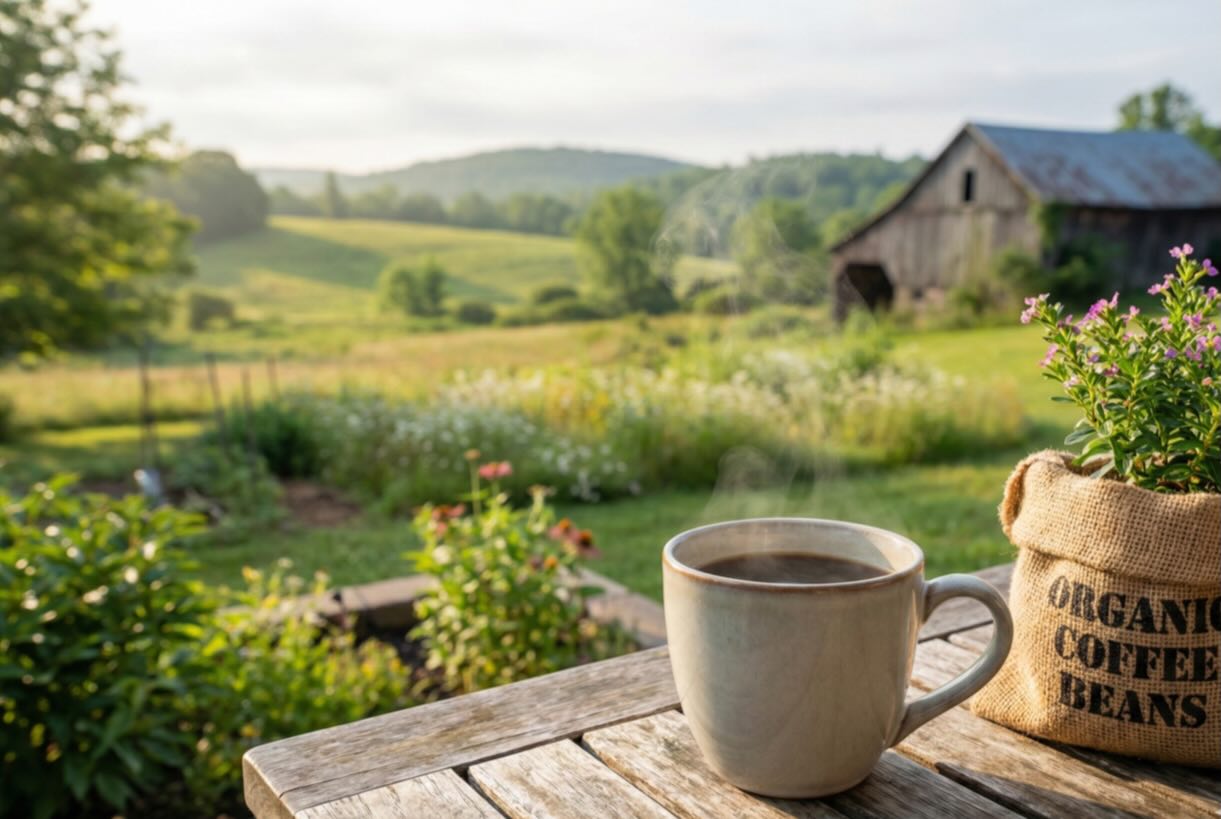
Balancing Hormones and Heart Health: Why Women Should Choose Organic Coffee
The Chemical Burden: Why Organic Matters for Hormones
Women’s bodies are intricate endocrine ecosystems, highly sensitive to environmental toxins. Conventional coffee crops are among the most heavily treated in the world, often sprayed with synthetic pesticides, herbicides, and fungicides. For women, this is particularly concerning because many agricultural chemicals are known endocrine disruptors—substances that can mimic or interfere with estrogen and thyroid hormones.
Choosing the best organic coffee isn’t just an environmental stance; it is a physiological safeguard. By selecting beans grown without synthetic interference, you reduce the toxic load on your liver, allowing it to focus on its primary job: metabolizing excess hormones and maintaining balance.
Food Engineering Analysis: The Bio-Chemical Distinction
From a food engineering perspective, the structural and chemical composition of a coffee bean is fundamentally altered by its agricultural inputs. We analyzed data regarding pesticide residues, heavy metal uptake, and bioactive density to understand exactly what you are brewing. The table below breaks down the molecular differences between organic Arabica and standard commercial coffee.
| Parameter | Organic Arabica Profile | Conventional Coffee Profile | Nutritional/Engineering Impact |
|---|---|---|---|
| Pesticide Residue (e.g., Glyphosate) | Non-Detectable / Trace | Commonly Detected (>85%) | Conventional beans often retain chemical residues even after roasting (up to 400°F). Organic beans eliminate this neurotoxic load. |
| Polyphenol Density (Antioxidants) | High (Stress-Induced) | Moderate | Organic plants produce more chlorogenic acid and flavonoids as a natural defense mechanism against pests, increasing their anti-inflammatory potency. |
| Nitrogen Source | Natural Compost / Manure | Synthetic Nitrates | Synthetic nitrogen forces rapid growth, which can dilute the bean’s density and flavor complexity compared to the slow-growth nutrient uptake of organic farming. |
| Bioactive Compounds (Quercetin) | Significantly Higher | Lower | Studies indicate organic beans have higher levels of Quercetin, a flavonoid crucial for reducing oxidative stress and supporting heart health. |
| Heavy Metal Uptake | Regulated/Low | Variable Risk | Conventional phosphate fertilizers can contain Cadmium. Organic soil management naturally chelates heavy metals, reducing plant uptake. |
Data synthesized from comparative agricultural studies on Coffea arabica cultivation methods.
Cortisol and The “Jitters”: The Arabica Advantage
Not all coffee beans interact with your nervous system in the same way. The market is flooded with Robusta beans, which are cheaper to produce but contain nearly double the caffeine of Arabica. For women juggling professional stress and biological cycles, excessive caffeine can spike cortisol (the stress hormone) to unmanageable levels, leading to anxiety and disrupted sleep.
Premium Arabica beans, like those sourced from the high altitudes of Uganda, offer a more sophisticated proposition. They contain roughly half the caffeine of Robusta, providing a gentle lift rather than a harsh spike. This allows for mental clarity without the adrenal crash.
The Antioxidant Powerhouse: Anti-Aging and Heart Health
When we talk about fresh roasted coffee, we are talking about one of the most abundant sources of antioxidants in the Western diet. Specifically, coffee is rich in chlorogenic acid, a polyphenol associated with reduced inflammation, improved blood sugar regulation, and skin health.
However, these antioxidants are volatile. They degrade quickly after roasting. Stale, mass-market coffee sitting on shelves for months has lost much of this bioactive potency. To maximize these anti-aging benefits, women should prioritize freshness. Our Light Roast Arabica retains the highest levels of chlorogenic acid, offering a bright, tea-like profile that is as nutritious as it is delicious.
Support Your Wellness Ritual
Experience the clean taste of Roastino Light Roast. High-altitude, antioxidant-rich, and always fresh.
Shop Light RoastConclusion: Elevate Your Standards
Coffee is not a vice; it is a botanical extract with the power to enhance your life. But like any nutrient source, quality is paramount. By choosing premium organic Arabica, you are making a conscious decision to protect your hormones, manage your stress response, and flood your body with protective antioxidants.