The Economics of Bulk Coffee: Why Sourcing Ugandan Arabica is the High-Margin Strategy for 2026 Wholesalers
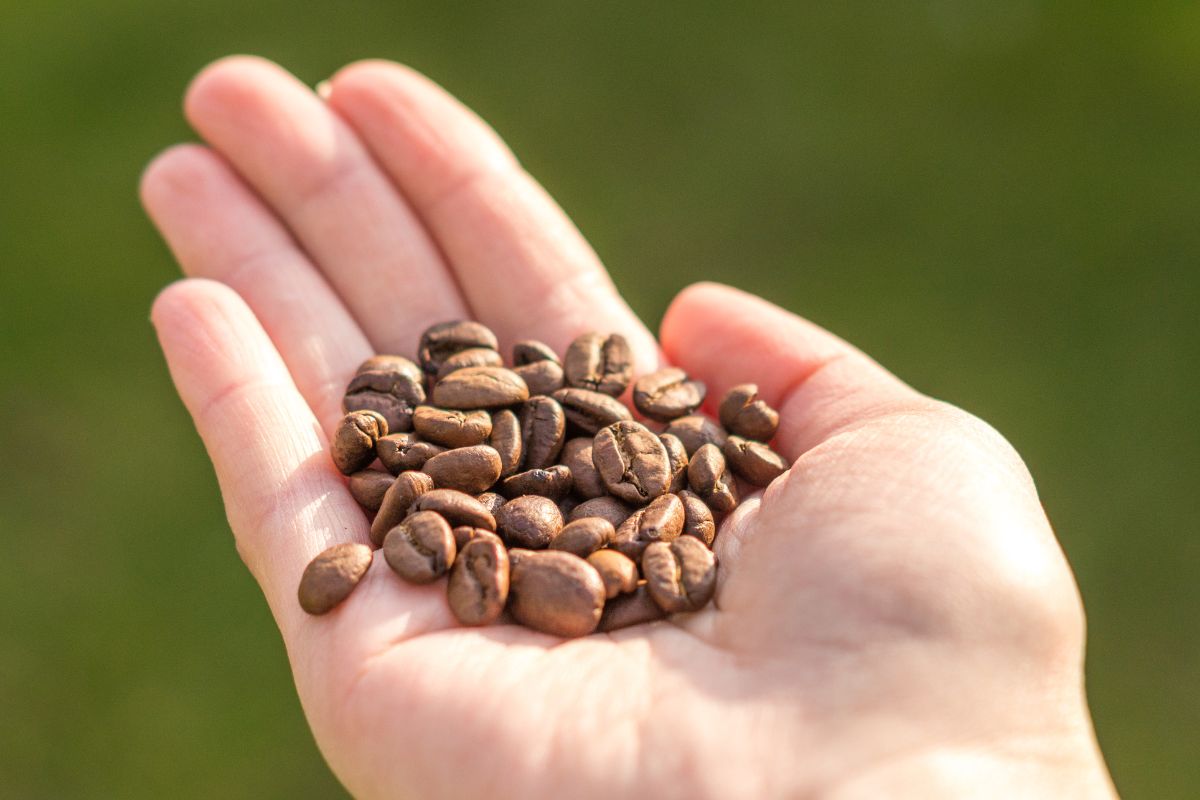
The Economics of Bulk Coffee: Why Sourcing Ugandan Arabica is the High-Margin Strategy for 2026
In the volatile landscape of global commodities, coffee wholesalers and distributors face a dual challenge: rising operational costs and an increasingly discerning consumer base. As we approach 2026, the traditional reliance on Brazilian and Colombian beans is being scrutinized by savvy CFOs and Purchasing Managers. [cite_start]The data is clear: the search volume for “wholesale coffee prices” and “coffee price per kg” has surged, indicating a market-wide pivot toward cost-efficiency without quality compromise[cite: 30, 32].
This analysis explores why Single-Origin Ugandan Arabica has emerged as the definitive high-margin asset for food wholesalers, coffee shops, and commercial roasters. We will dissect the economics of bulk coffee beans and demonstrate how diversifying your origin portfolio can inoculate your business against market fluctuations.
1. The “Money Keywords” Reality: Price vs. Value
The keyword data for the 2024-2025 period reveals a telling trend. [cite_start]High-intent B2B search terms like “wholesale coffee beans” and “bulk coffee beans” are commanding high competition, with top-of-page bids reaching upwards of 155 TRY[cite: 8]. This indicates that the market is saturated with buyers looking for viable supply partners.
However, smart money is moving toward specific efficiency metrics. [cite_start]Searches for “coffee price per kg” and “cost of green coffee” [cite: 9, 29] suggest that roasters are calculating yields down to the gram. In this equation, Ugandan Arabica shines. It offers a density and bean size (often screen 15+) that ensures a lower defect count and higher roast yield compared to similarly priced Central American varietals.
📈 Market Insight:
[cite_start]While generic terms like “coffee shop” have millions of searches, the real commercial intent lies in “wholesale coffee suppliers” and “green coffee beans wholesale”[cite: 8, 29]. Businesses ranking for these terms are looking for long-term contracts, not one-off bags. Sourcing Ugandan beans allows you to offer competitive pricing on these contracts while retaining a healthy margin.
2. The Roaster’s Calculus: Commercial Consistency
For a commercial coffee roaster, consistency is currency. Variability in screen size or moisture content can wreak havoc on automated roast profiles, leading to waste and lost revenue. [cite_start]Data from search trends shows a significant interest in “commercial coffee roaster” equipment and “coffee roasting business” setups[cite: 49]. This new wave of roasters needs forgiving, consistent beans.
Ugandan Arabica, particularly from the Mt. Elgon region, is celebrated for its consistency. It withstands darker roast profiles—often required for espresso blends—without losing its structural integrity or developing ash-like flavors. This makes it a perfect candidate for our Roastino Dark Roast Premium line, providing the heavy body and crema that consumers demand.
3. Analyzing the Margin: Uganda vs. The World
To understand the financial advantage, we must look at the comparative economics of sourcing. Below is a strategic comparison of Ugandan Arabica against traditional heavyweights in the wholesale sector.
| Origin | Average Wholesale Cost Index | Flavor Profile Complexity | Acidity Level | Est. Margin Potential |
|---|---|---|---|---|
| Uganda (Arabica) | Medium | High (Citrus, Chocolate, Nutty) | Balanced / Bright | ⭐⭐⭐⭐⭐ (Highest) |
| Ethiopia (Yirgacheffe) | High | Very High (Floral, Tea-like) | Very High | ⭐⭐⭐ (Volume constrained) |
| Brazil (Santos) | Low | Low (Nutty, Flat) | Low | ⭐⭐⭐⭐ (Volume dependent) |
| Colombia (Supremo) | Medium-High | Medium (Caramel, Fruit) | Medium | ⭐⭐⭐ (Market saturated) |
As the table demonstrates, Uganda occupies a “Goldilocks zone.” It offers the flavor complexity usually reserved for expensive Ethiopian lots but at a price point closer to Brazilian staples. [cite_start]For coffee distributors looking to sell “premium coffee beans”[cite: 148], this arbitrage opportunity is the key to 2026 profitability.
4. The Supply Chain Advantage for Distributors
Reliability is the silent killer of coffee businesses. [cite_start]The search volume for “coffee suppliers near me” and “wholesale coffee distributors” [cite: 8, 15] highlights the anxiety businesses feel about supply chain continuity. Ugandan production cycles differ from South America, offering fresh harvest arrivals when other origins are fading.
By integrating Ugandan stock, specifically our Ugandan Wholesale Revolution beans, distributors can smooth out their inventory curves. You are no longer at the mercy of a frost in Brazil or a shipping strike in Vietnam. You have a robust, direct-trade line to East Africa.
Green Coffee: The Roaster’s Asset
[cite_start]For those targeting the “green coffee beans wholesale” market[cite: 29], Uganda is untapped potential. Many roasters are unaware that Uganda produces Arabica, assuming it is a Robusta-only origin. Educating your clients about this—perhaps by directing them to our guide on Sourcing Best African Coffee—positions you not just as a vendor, but as a knowledgeable partner. This builds loyalty, which is the ultimate driver of Lifetime Value (LTV).
🚀 Secure Your 2026 Supply Chain Today
Don’t let market volatility eat into your margins. Request a quote for our bulk Ugandan Arabica today and lock in pricing that makes sense for your bottom line.
Request a Wholesale Quote5. FAQ: Sourcing & Logistics
Conclusion
The data for the coming year is unambiguous: the market is searching for value, consistency, and reliability. By pivoting your sourcing strategy to include high-quality Ugandan Arabica, you align your business with the financial realities of 2026. You stop competing solely on brand name and start competing on margin and quality.
Whether you are looking for bulk coffee beans to roast yourself or a reliable wholesale coffee supplier for your distribution network, Swab Dealers is your gateway to the pearl of Africa.