wholesale-coffee-suppliers-direct-trade
The Broken Economics of Traditional Coffee Distribution
For years, the supply chain for wholesale coffee beans has been cluttered with intermediaries. A typical bag of coffee travels from the farmer to a washing station, then to an exporter, an importer, a large-scale distributor, and finally to your café. At every step, a markup is added.
According to recent market data, the search volume for “coffee wholesale” and “coffee supplier” remains consistently high at 5,000 monthly searches[cite: 4], indicating that businesses are constantly hunting for better partners. Why? Because the traditional distributor model often forces small businesses to pay premium prices for beans that have sat in warehouses for months.
When you rely on broadline distributors, you are paying for their logistics network, not necessarily the quality of the bean. This often results in shrinking margins for coffee shops that are already battling rising rent and labor costs.
Why Direct Trade with Producers Wins
Direct trade isn’t just a marketing buzzword; it is a financial strategy. By working with a wholesale coffee supplier that owns the production process—like Swab Dealers does with our Ugandan farms—you effectively remove two or three layers of markup. This is essential for coffee suppliers for small businesses who need to stay lean.
1. The Freshness Advantage
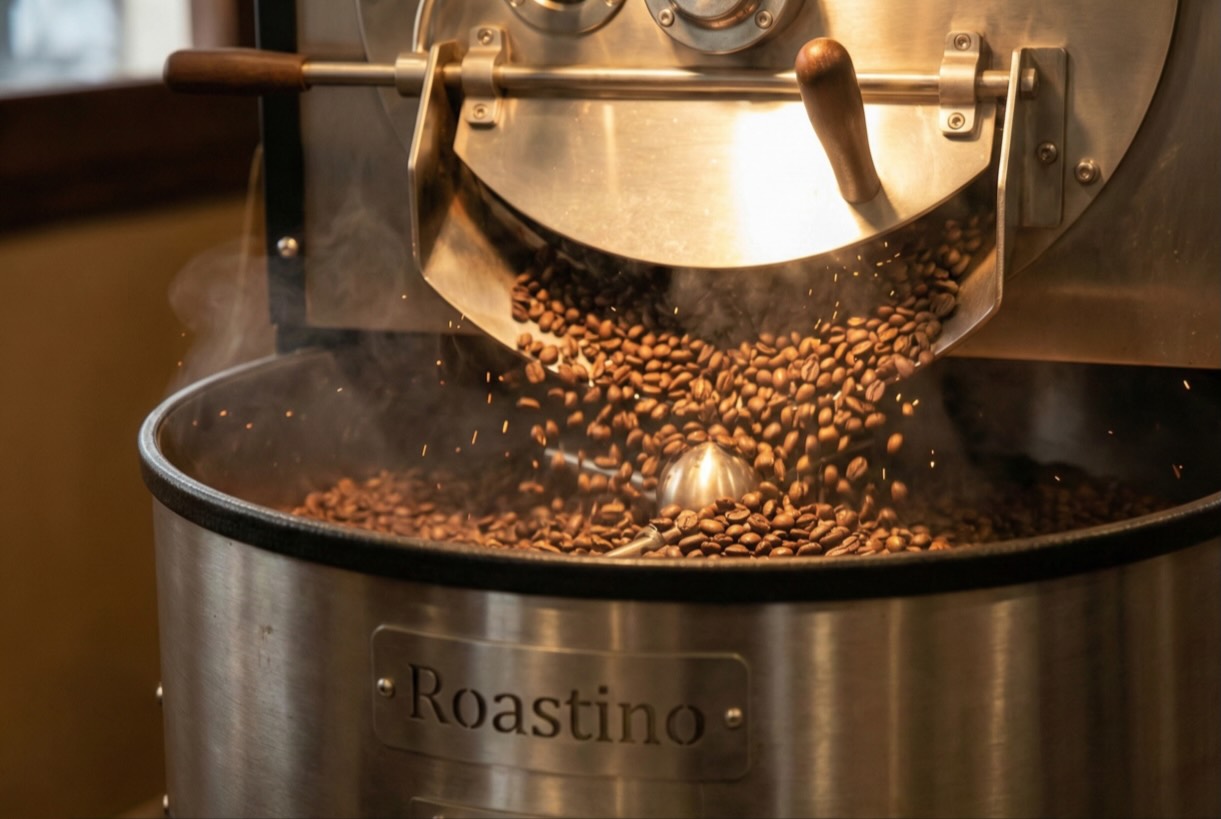
Trends show a breakout interest in “best roasted coffee beans” and “fresh roasted coffee”[cite: 115]. Customers today have sophisticated palates; they can taste the difference between a bean roasted three months ago and one roasted last week. Direct suppliers roast to order. At Swab Dealers, our Roastino Dark Roast Arabica doesn’t sit on a shelf collecting dust; it is processed and shipped to retain the volatile oils that create that rich crema customers love.
2. Origin Transparency and Consistency
When buying bulk coffee beans from a general distributor, you often receive a “blend” of indeterminate origin. In contrast, sourcing single-origin Ugandan Arabica guarantees a consistent flavor profile. As detailed in our guide on sourcing African coffee, Uganda’s high-altitude volcanic soil produces beans with distinct chocolate and fruity notes that hold up beautifully in milk-based drinks.
Comparison: Distributor vs. Direct Trade Supplier
Let’s look at the numbers and operational differences between buying from a generic catalog distributor versus a dedicated direct-trade partner.
| Feature | Traditional Distributor | Swab Dealers (Direct Trade) |
|---|---|---|
| Price Structure | High markup (pays multiple middlemen) | Producer pricing (factory direct) |
| Roast Freshness | Unknown (often 1-3 months old) | Roasted to order |
| Origin Clarity | Generic blends (e.g., “African Blend”) | Single Origin (Uganda, Mt. Elgon) |
| Customization | Fixed catalog, no flexibility | Private label & custom roast options |
| MOQ (Min Order Qty) | Often high, rigid pallets | Flexible for small businesses |
📈 The Profit Margin Impact
Switching to a direct wholesale coffee supplier can reduce your bean cost by 15% to 25%. For a busy café using 50kg of coffee a week, this translates to thousands of dollars in annual savings—capital that can be reinvested into equipment, staff, or marketing.
Furthermore, the data shows a surge in searches for “wholesale coffee beans near me” and “local coffee suppliers”[cite: 58]. While we operate globally, our B2B logistics allow us to service businesses as reliably as a local partner, but with the pricing power of a producer.
Strategic Sourcing for Small Businesses
If you are a startup or a boutique coffee shop, you might feel pressured to sign contracts with massive coffee equipment suppliers who bundle beans with machines. This is often a trap. The machine discount is quickly negated by the inflated price of the bulk coffee over the contract term.
The smarter play is to decouple your equipment and bean sourcing. Secure your equipment financing separately, and then find a coffee supplier for small businesses that offers flexible terms and superior product. This gives you the agility to adjust your menu and maintain high quality standards.
Understanding the “African Coffee” Premium
African coffee, particularly from East Africa, is experiencing a renaissance. Search data indicates “African coffee” has a steady volume of 5,000 monthly searches[cite: 4]. By serving premium Ugandan Arabica, you differentiate your café from competitors serving standard Brazilian or Vietnamese blends. You offer a narrative—a story of volcanic soils and direct farmer relationships—that justifies a premium price point to your customers.
🚀 Ready to Improve Your Margins?
Stop paying for the middleman. Partner directly with Swab Dealers for premium, single-origin Ugandan Arabica roasted specifically for your business.
Request a Wholesale QuoteFrequently Asked Questions
What is the minimum order for wholesale coffee beans?
While many distributors require pallet-sized orders, Swab Dealers caters to businesses of all sizes. We offer flexible Minimum Order Quantities (MOQs) to ensure even independent cafés can access fresh, bulk coffee beans without tying up all their cash flow in inventory.
How does direct trade differ from Fair Trade?
Fair Trade is a certification ensuring minimum prices for farmers. Direct Trade goes a step further; it involves a direct relationship between the buyer (us) and the farm (often us or our direct partners). This ensures even higher wages for farmers and better quality control for you, as there is total transparency from seed to cup.
Can I get a custom roast profile?
Yes. Unlike buying off-the-shelf from a large distributor, working with a direct wholesale coffee supplier allows for collaboration. Whether you need a bright, acidic Light Roast for pour-overs or a bold, chocolatey Dark Roast for espresso, we can adjust our profiles to match your brand’s taste.