If you’ve been sourcing coffee for a while, you’ve probably seen the term “specialty coffee” used to describe everything from gas station drip to award-winning micro-lots. That confusion isn’t accidental — it’s profitable for sellers who want to charge specialty prices without meeting specialty standards. This guide cuts through the noise and gives you the concrete criteria, cupping protocols, and sourcing strategies that define genuine specialty-grade coffee in the wholesale market.
Whether you’re a roaster considering your first specialty offering, a café owner trying to understand what you’re actually buying, or a distributor looking to move into higher-margin products — understanding what specialty coffee genuinely means will protect your investment and strengthen your market position.
The Official Definition: SCA Cupping Score
The Specialty Coffee Association (SCA) provides the industry’s standard definition, and it’s refreshingly simple:
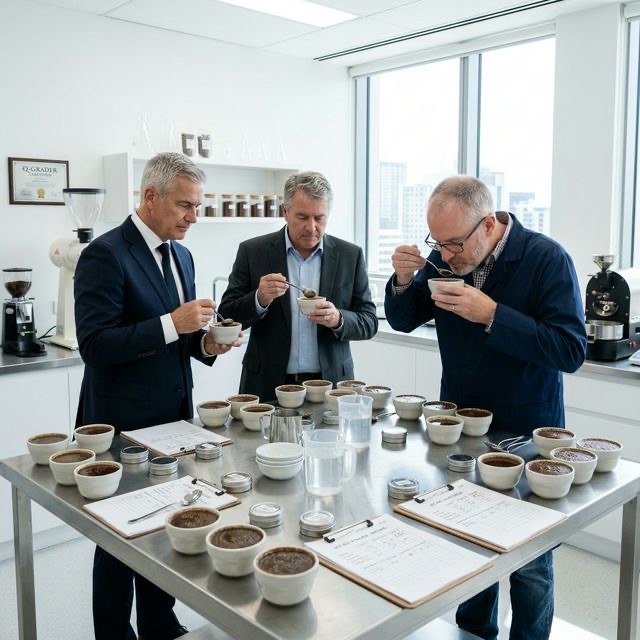
Specialty coffee is coffee that scores 80 points or above on the SCA 100-point cupping scale, as evaluated by a certified Q-Grader.
That’s it. One number. One standardized evaluation protocol. Everything else — origin story, certifications, fancy packaging — is marketing. The cupping score is the only universally accepted measure of specialty status.
What the Scores Mean
| Score Range | Classification | Market Position |
|---|---|---|
| 90–100 | Outstanding Specialty | Competition-grade, highest premiums, extremely rare |
| 85–89.99 | Excellent Specialty | Premium single origin, specialty retail, micro-roasters |
| 80–84.99 | Very Good Specialty | Quality commercial specialty, good blending components |
| Below 80 | Not Specialty Grade | Commercial grade, commodity markets |
Most wholesale specialty coffee that roasters work with falls in the 82–87 range. Coffees scoring above 88 are genuinely rare and command significant premiums. Don’t be misled by sellers claiming “90+ scores” unless they can provide verified cupping forms from certified Q-Graders.
How Specialty Coffee Is Evaluated
The SCA cupping protocol evaluates ten specific attributes, each scored on a numeric scale. Understanding these attributes helps you communicate with suppliers and make better purchasing decisions.
The Ten Cupping Attributes
- Fragrance/Aroma: The smell of dry grounds (fragrance) and wet coffee (aroma). Evaluated for intensity and quality.
- Flavor: The overall taste experience, combining taste and aroma. The most heavily weighted attribute.
- Aftertaste: How flavor persists after swallowing. Long, pleasant aftertaste indicates quality.
- Acidity: Not sourness — desirable brightness that gives coffee life and complexity. Evaluated for quality, not just intensity.
- Body: The physical mouthfeel — weight and texture on the palate. Can range from light tea-like to heavy syrupy.
- Balance: How well all attributes interact. No single quality should dominate inappropriately.
- Uniformity: Consistency across all cups in the sample. Each cup should taste the same.
- Clean Cup: Absence of off-flavors from first sip to aftertaste. Any taints or faults reduce this score.
- Sweetness: Presence of pleasing sweet quality. The opposite of harsh, astringent, or sour characteristics.
- Overall: The evaluator’s holistic assessment of the coffee’s total experience.
What Makes Coffee Score Higher?
Several factors at origin directly influence whether a coffee reaches specialty grade. Understanding these helps you evaluate suppliers’ claims and make informed sourcing decisions.
Altitude
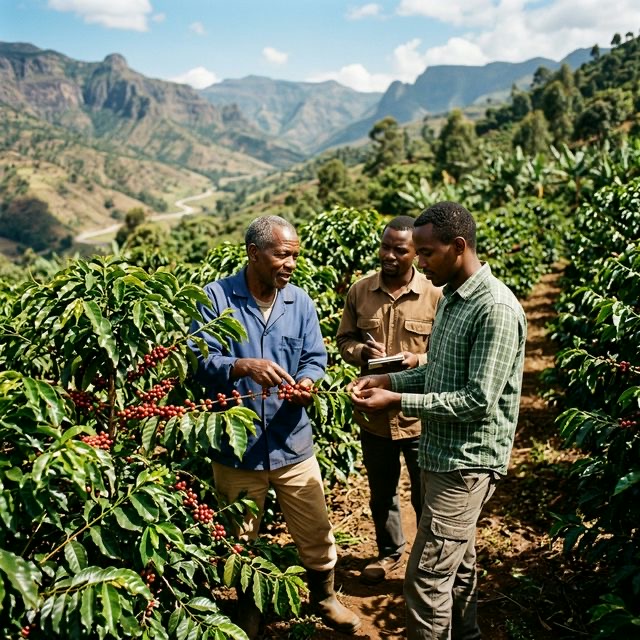
Higher altitude generally correlates with higher quality. At elevation, coffee cherries mature more slowly, developing more complex sugars and acids. Most specialty Arabica grows at 1,200–2,200 meters above sea level. Uganda’s Mt. Elgon farms at 1,500–2,200 meters consistently produce beans in the specialty-scoring range.
Variety
Not all Arabica is created equal. Heritage varieties like SL-28, SL-14, Bourbon, and Typica typically produce more nuanced cups than newer, disease-resistant cultivars bred primarily for yield. When evaluating green coffee, ask which specific variety or varieties are in the lot.
Processing Quality
Even excellent cherries can be ruined by poor processing. Specialty-grade coffee requires meticulous cherry selection, careful fermentation control, even drying, and proper storage. The processing station’s quality standards matter as much as the farm’s growing conditions.
Freshness
Green coffee quality degrades over time. Current crop coffee (harvested within the past 6–10 months) scores higher than past crop. As green coffee ages, it loses acidity and develops papery, woody characteristics that pull scores below specialty threshold. Always confirm crop year when purchasing.
The Business Case for Specialty Coffee
Specialty-grade coffee costs more at green buying — typically 30–60% above commodity-grade equivalents. But the business math works in your favor when you look at the full picture.
| Metric | Commercial Grade | Specialty Grade (80-84) | Premium Specialty (85+) |
|---|---|---|---|
| Green Cost/kg | $2.50–$4.00 | $5.00–$7.50 | $8.00–$15.00+ |
| Retail 250g Bag | $8–$14 | $16–$24 | $22–$35+ |
| Café Espresso Price | $2.50–$3.50 | $3.50–$5.00 | $5.00–$7.00 |
| Gross Margin (Roaster) | 35–45% | 50–60% | 55–70% |
| Customer Retention | Low (price-sensitive) | High (quality-driven) | Very High (enthusiast loyalty) |
The premium you pay for specialty coffee beans generates disproportionately higher margins downstream. Customers who value quality are less price-sensitive and significantly more loyal than commodity coffee buyers.
How to Verify Specialty Claims
Not every seller claiming “specialty grade” is being accurate. Here’s how to protect yourself:
Request Cupping Scores
Ask for the actual cupping form, not just a number. A legitimate specialty coffee seller will provide forms showing individual attribute scores from a certified Q-Grader or licensed cupper. Scores should include the Q-Grader’s name or certification number.
Request Pre-Shipment Samples
Cup the actual lot yourself or have it cupped by a trusted professional. The pre-shipment sample should be drawn from the specific lot you’ll receive, not a generic offering sample.
Check Physical Defects
Specialty-grade green coffee cannot contain any Category 1 defects (full blacks, full sours, foreign matter) and no more than 5 Category 2 defects per 350g sample. If tDirect Trade vs. Fair Trade Coffee: Which Model Delivers Better Value for B2B Buyers?he green coffee arriving at your roastery has visible defects, it’s not specialty — regardless of what the seller claimed.
Verify Crop Year
Specialty coffee should be current crop. Old crop coffee may have scored 84 at origin nine months ago, but by the time it reaches you, it might cup at 79. Always confirm harvest date and processing date.
Entering the Specialty Market: Practical Steps
If your business currently works with commercial-grade coffee and you want to move into specialty, here’s a realistic path:
- Start with one specialty offering: Don’t overhaul your entire inventory. Add one specialty single origin or upgrade one blend component to specialty grade.
- Develop cupping skills: You don’t need to become a Q-Grader, but you do need enough palate training to evaluate incoming lots against your standards.
- Build supplier relationships: The best specialty lots go to buyers who commit consistently. Start with smaller quantities, prove your reliability, and your access to premium lots will grow.
- Educate downstream: Help your café and retail clients understand wWhy Sourcing Specialty Green Coffee from Uganda is the Best Investment for Roasters in 2026hat specialty means so they can communicate it to their customers — that’s where the premium pricing is justified.
- Price with confidence: Specialty isn’t discount coffee. Price it to reflect its quality and the experience it delivers. Underpricing specialty coffee devalues your offering and confuses the market.
Swab Dealers exports cupping-verified specialty Arabica from Uganda’s Mt. Elgon, scoring 82–87 on the SCA scale. Every lot ships with Q-Grader cupping forms, full physical analysis, and origin documentation.Direct Trade vs. Fair Trade Coffee: Which Model Delivers Better Value for B2B Buyers?Why Sourcing Specialty Green Coffee from Uganda is the Best Investment for Roasters in 2026