Ugandan Coffee Farming: From Volcanic Soil to Premium Arabica Beans
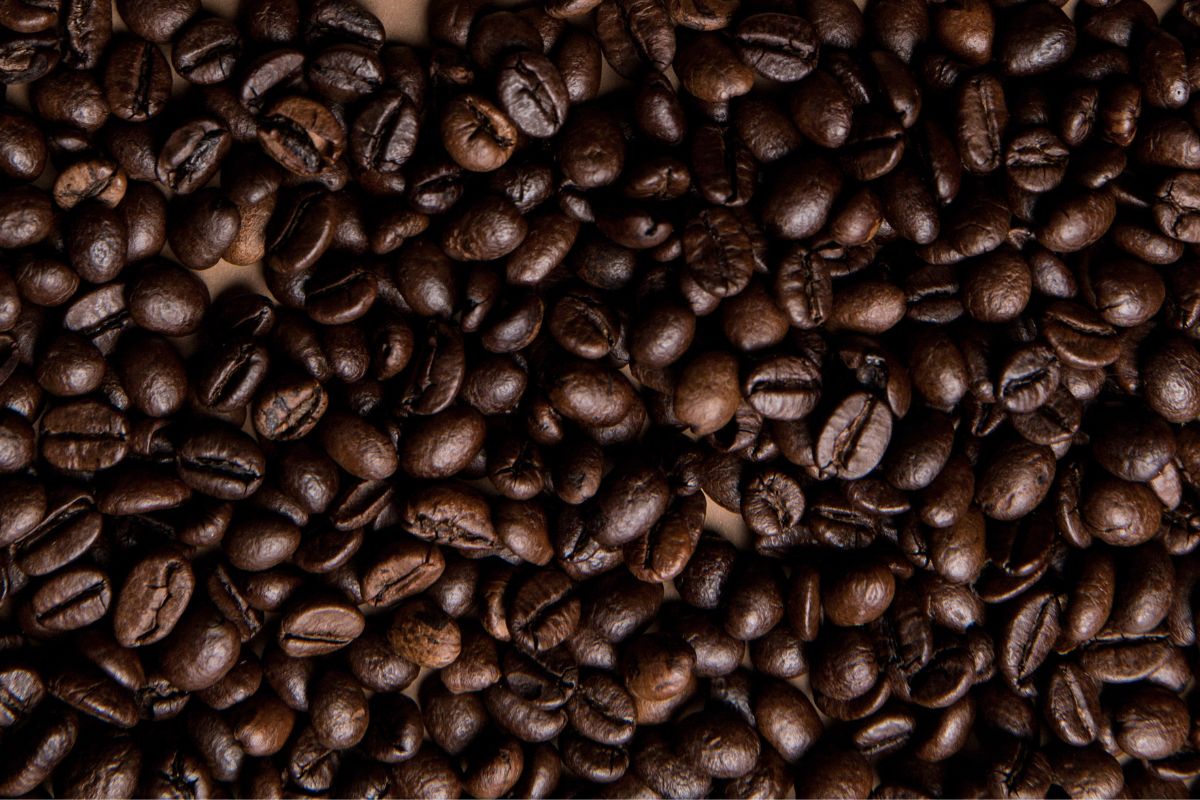
Why Uganda? Uganda produces some of the world’s finest Arabica coffee, grown in the nutrient-rich volcanic soils of the Rwenzori Mountains at altitudes between 1,200-2,300 meters. This comprehensive guide reveals the complete farming process that transforms coffee cherries into the premium beans B2B buyers seek.
🌱 Stage 1: Planting & Cultivation (Months 1-36)
Seedling Preparation (Months 1-12)
Nursery Stage: Coffee begins life in shaded nurseries where seedlings are cultivated from carefully selected arabica varieties including SL14, SL28, and Bourbon cultivars.
- Soil Preparation: Volcanic soil mixed with organic compost (60:40 ratio)
- Germination: 6-8 weeks in specialized beds
- Transplanting: Moving to individual bags at 4-6 leaves stage
- Hardening: Gradual sun exposure over 3-4 months
Field Planting (Months 12-18)
Strategic Placement: Seedlings are transplanted to fields during the rainy season (March-May or September-November) ensuring optimal root establishment.
- Spacing: 2.5m x 2.5m for optimal sunlight and airflow
- Shade Trees: Intercropped with banana and avocado trees (30% canopy cover)
- Mulching: Organic matter applied to retain moisture and suppress weeds
- Initial Pruning: Formation pruning to establish strong framework
Maturation Period (Months 18-36)
Growing to Production: Coffee trees require 3 years to reach full production capacity, during which they receive intensive care.
- Organic Fertilization: Coffee pulp compost, cattle manure (2x per year)
- Pest Management: Biological control using beneficial insects
- Disease Prevention: Proper spacing and pruning prevent Coffee Leaf Rust
- First Flowering: Trees bloom at 2.5-3 years with fragrant white flowers
🍒 Stage 2: Harvesting (Peak Months: November-February)
🤚 Selective Hand-Picking
Uganda’s Standard: Only ripe, red cherries are harvested in multiple passes.
- 4-6 picking rounds per season
- Only fully ripe cherries (Brix 20-24°)
- Quality over quantity approach
- Same-day processing
📊 Quality Metrics
Harvest Standards:
- Cherry Selection: 95%+ ripe cherries
- Defect Rate: Less than 2% unripe/overripe
- Processing Time: Within 6 hours of picking
- Yield: 3-5 kg green beans per tree annually
⚙️ Stage 3: Processing (24-72 Hours Post-Harvest)
Wet Processing Method (Washed Coffee)
Uganda’s Premium Standard: 90% of Ugandan Arabica uses wet processing, producing clean, bright cup profiles favored in specialty markets.
Step-by-Step Process:
- Flotation: Cherries sorted in water tanks (defective cherries float and are removed)
- Pulping: Mechanical removal of skin and fruit flesh within 6 hours of harvest
- Fermentation: 12-36 hours in water tanks to break down mucilage
- Washing: Multiple rinses in clean water channels
- Soaking: 24-hour final soak for clarity
- ✅ Result: Parchment coffee (beans still in protective shell)
- ✅ Moisture Content: Reduced from 60% to 45%
- ✅ Cup Profile: Clean, bright acidity with pronounced origin characteristics
Drying (10-21 Days)
Critical Quality Phase: Proper drying determines final bean quality and shelf stability.
- African Drying Beds: Raised mesh tables for air circulation
- Sun Drying: Parchment spread in thin layers (2-3cm depth)
- Regular Turning: Every 30-45 minutes during peak sun
- Night Protection: Covered to prevent moisture re-absorption
- Target Moisture: 11-12% (tested with moisture meters)
- Duration: 12-18 days depending on weather
🔧 Stage 4: Milling & Grading (Post-Drying)
Hulling & Polishing
- Hulling: Mechanical removal of parchment layer (dried mucilage)
- Polishing (Optional): Removal of silver skin for visual appeal
- Density Separation: Air classification removes defective beans
- Size Grading: Screened through mesh sizes (Screen 18, 17, 16, etc.)
Uganda’s Grading System
Screen 18 (AAA)
Largest beans, premium pricing
- 7.2mm+ diameter
- Uniform size
- Less than 3% defects
Screen 15 (AA)
Standard specialty grade
- 6.0-6.7mm diameter
- Consistent quality
- Less than 5% defects
📦 Stage 5: Storage & Export Preparation
Proper Storage Conditions
Maintaining Freshness Until Export:
- GrainPro Bags: Triple-layer hermetic bags prevent moisture and oxygen exposure
- Temperature: Climate-controlled warehouses (18-22°C)
- Humidity: Maintained at 60-65% RH
- Ventilation: Proper airflow prevents mold
- Palletization: Elevated storage for air circulation
- Traceability: Lot codes tracking farm origin and processing date
🌍 Why Ugandan Arabica Stands Out for B2B Buyers
🏔️ Unique Terroir
- Volcanic soil rich in minerals
- High altitude (1,200-2,300m)
- Consistent rainfall patterns
- Equatorial location (slow cherry development)
☕ Cup Profile
- Body: Medium to full
- Acidity: Bright, wine-like
- Flavor Notes: Dark chocolate, red fruit, floral
- Sweetness: Pronounced caramel, brown sugar
💰 Cost Advantages
- 20-30% lower than Ethiopian specialty
- Stable supply chain
- Direct trade eliminates middlemen
- Consistent quality year-over-year
✅ Certifications Available
- UCDA (Uganda Coffee Development Authority)
- Organic certification (upon request)
- Fair Trade options
- Rainforest Alliance compatible
📈 From Farm to Your Roastery: Timeline Summary
Full Production Cycle Breakdown:
- 🌱 Nursery to Planting: 12 months
- 🌳 Maturation Period: 24-30 months
- 🍒 Harvesting Season: 4-5 months (November-March)
- ⚙️ Processing: 2-3 weeks per lot
- 🔧 Milling & Grading: 1-2 weeks
- 📦 Storage & Export Prep: 2-8 weeks
- 🚢 Shipping: 4-6 weeks (sea freight)
Source Premium Ugandan Arabica Directly from the Producer
Skip the middlemen. Get traceable, farm-fresh coffee beans with complete transparency in origin, processing, and quality. Minimum order quantities start at just 1 container (18-20 tons).
What You Get:
- ✅ Direct pricing (20-30% below market)
- ✅ Full traceability to specific farms
- ✅ Quality consistency guaranteed
- ✅ Flexible shipping options (CIF/FOB)
- ✅ Sample lots available before bulk orders
🔬 Quality Assurance Throughout the Process
Every stage of Ugandan coffee farming involves rigorous quality controls:
Pre-Harvest QC
- Soil testing (pH, nutrients)
- Tree health monitoring
- Cherry brix measurements
- Harvest timing optimization
Post-Harvest QC
- Moisture content testing
- Physical defect analysis
- Cupping scores (SCA protocol)
- Export quality certification
🎯 Key Takeaways for B2B Coffee Buyers
- Traceability: Ugandan coffee offers full farm-to-export traceability, essential for specialty buyers and transparency requirements
- Processing Expertise: Wet processing methods produce consistent, clean cup profiles ideal for blending or single-origin offerings
- Sustainable Practices: Small-holder farmers use organic farming methods and shade-grown cultivation, appealing to eco-conscious consumers
- Competitive Pricing: Direct trade eliminates 3-4 intermediaries, reducing costs by 20-30% compared to traditional supply chains
- Supply Reliability: Two distinct harvest seasons provide year-round availability and supply security