Building a Sustainable Coffee Supply Chain for Your Business
Building a Sustainable Coffee Supply Chain for Your Business
Sustainability in coffee isn’t a marketing checkbox anymore—it’s becoming a business imperative. Consumer research consistently shows that 66% of global consumers will pay more for products from companies committed to positive environmental impact. For coffee businesses, this shift creates both obligation and opportunity. Sourcing sustainable coffee beans isn’t just about doing good; it’s about building resilient supplier relationships, accessing premium pricing, and future-proofing your business against climate-driven supply disruptions.
This guide examines what genuine sustainability looks like in coffee supply chains and how B2B buyers can implement practical changes that benefit farmers, environment, and bottom lines.
Understanding Coffee’s Sustainability Challenge
Coffee faces an existential threat that directly impacts every business in the supply chain. Climate projections indicate that:
- By 2050, suitable land for Arabica cultivation could decrease by 50%
- Temperature rise is pushing viable growing zones to higher elevations
- Increased pest and disease pressure threatens yields and quality
- Extreme weather events are becoming more frequent in major producing regions
Meanwhile, economic pressures on coffee farmers continue:
- Average farm-gate prices often fall below production costs
- Young people in coffee communities increasingly leave for urban employment
- Aging farmer populations lack resources for replanting and innovation
The coffee you source in 2026 depends on investments farmers made years ago. The coffee you’ll source in 2036 depends on whether today’s farming communities remain economically viable. Sustainability isn’t abstract—it’s supply chain security.
The Three Pillars of Sustainable Coffee Sourcing
Genuine sustainability addresses environmental, social, and economic dimensions simultaneously. Focusing on one while ignoring others creates an incomplete and often counterproductive approach.
Environmental Sustainability
Environmental practices that define truly sustainable coffee beans:
- Shade-grown cultivation: Maintains biodiversity, prevents soil erosion, reduces water usage
- Organic practices: Eliminates synthetic pesticides and fertilizers that damage ecosystems
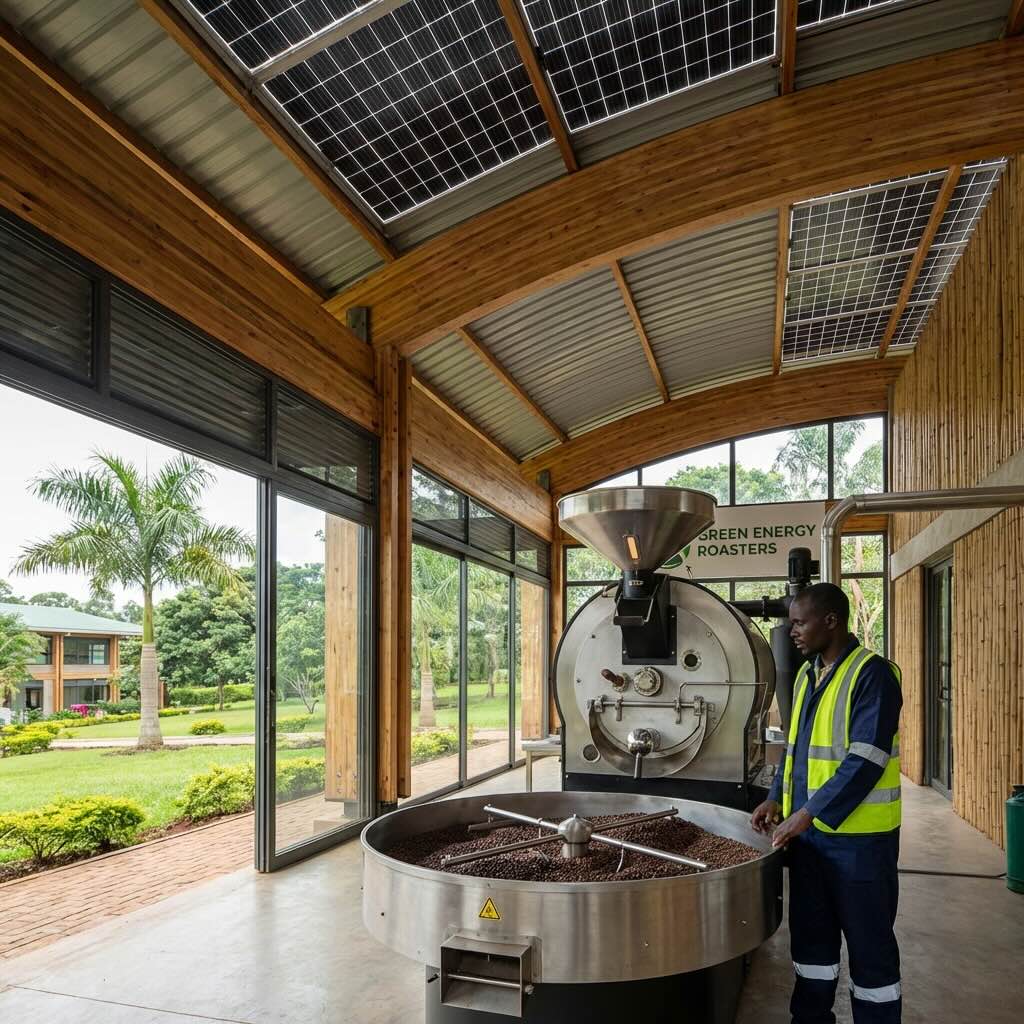
- Water conservation: Wet processing generates significant waste; sustainable mills implement water recycling
- Carbon management: From farm practices through shipping methods
- Waste utilization: Converting coffee pulp to compost or biogas rather than letting it pollute waterways
Social Sustainability
The human dimension often receives less attention but fundamentally determines whether coffee communities can continue producing:
- Living wages: Prices that cover production costs plus reasonable profit
- Gender equity: Women perform 70% of coffee labor but receive a fraction of income; sustainable programs address this imbalance
- Worker safety: Proper equipment, limited agrochemical exposure, reasonable working hours
- Community investment: Schools, healthcare, infrastructure that make coffee communities desirable places to live
- Knowledge transfer: Training programs that build farmer capabilities and adaptation skills
Economic Sustainability
Without economic viability, environmental and social gains cannot persist:
- Price premiums: Above-market pricing that rewards quality and sustainability investments
- Pre-financing: Capital access during planting and processing seasons
- Long-term contracts: Multi-year commitments that enable farm-level planning
- Risk sharing: Mechanisms that protect farmers from price volatility
- Market access: Connections to specialty markets that value quality
Certification Systems: What They Mean and What They Don’t
Third-party certifications provide verification frameworks, but understanding their scope and limitations helps buyers make informed decisions.
Major Coffee Certifications Compared
| Certification | Primary Focus | Farmer Impact | Price Premium |
|---|---|---|---|
| Fairtrade | Economic justice, minimum prices | Guaranteed floor price + social premium | $0.20/lb minimum premium |
| Rainforest Alliance | Environmental + social standards | Sustainability standards, variable premium | Negotiated, typically $0.05-0.15/lb |
| Organic (USDA/EU) | No synthetic inputs | Premium access, reduced input costs | $0.30-0.50/lb typical |
| Bird Friendly | Shade-grown, organic biodiversity | Strictest environmental requirements | Limited supply, premium varies |
Certification Limitations
Important considerations when evaluating certified coffees:
- Certification costs burden farmers—not all sustainable farms can afford or access certification
- Standards represent minimums, not necessarily best practices
- Audit frequency and rigor vary significantly
- Market oversupply of certified coffee means not all receives premium prices
Certifications are tools, not guarantees. The most impactful sustainability comes from direct relationships where buyers can verify practices firsthand.
Beyond Certification: Direct Trade Sustainability
Direct trade relationships offer opportunities to implement sustainability standards tailored to specific contexts rather than one-size-fits-all certification requirements.
Building Sustainability Through Relationships
When sourcing sustainable coffee beans through direct trade:
- Define your standards: What environmental and social outcomes matter to your business and customers?
- Communicate expectations clearly: Share your requirements before negotiating purchases
- Verify through visits: Nothing replaces seeing farm and processing practices firsthand
- Invest in improvement: Fund training, equipment, or infrastructure that builds supplier capacity
- Commit long-term: Multi-year relationships enable farmers to invest in practices that take years to show returns
Documentation and Transparency
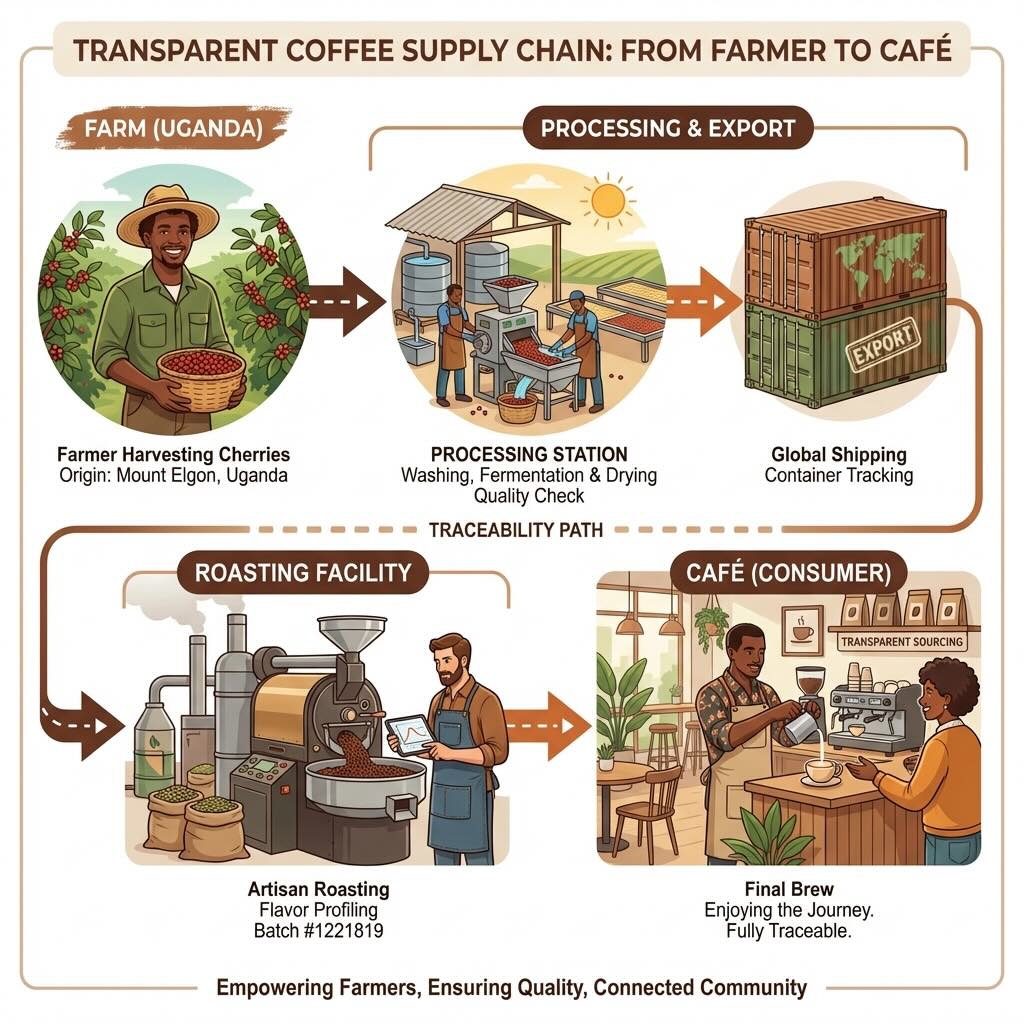
Transparent supply chains require documentation at each stage:
- Farm-level: GPS coordinates, practice documentation, yield data
- Processing: Lot separation, quality measurements, water usage records
- Export: Chain of custody documentation linking shipments to specific farms or cooperatives
- Import: Quality verification matching pre-shipment samples
This documentation serves multiple purposes: verifying sustainability claims, enabling marketing storytelling, and building the data infrastructure for continuous improvement.
Practical Steps for Implementing Sustainable Sourcing
Transitioning to sustainable supply chains requires strategic planning and realistic timelines.
Phase 1: Assessment (Months 1-3)
- Audit current supply chain for sustainability gaps
- Survey customer preferences and willingness to pay for sustainable options
- Research certification costs and requirements if pursuing that route
- Identify potential sustainable suppliers through existing networks or industry connections
Phase 2: Pilot Programs (Months 4-8)
- Source trial quantities from sustainable suppliers
- Test customer response through limited releases or dedicated product lines
- Document learnings and refine sourcing criteria
- Develop marketing assets and storytelling frameworks
Phase 3: Scaling (Months 9-18)
- Expand sustainable sourcing as percentage of total volume
- Negotiate longer-term contracts with proven suppliers
- Train staff on sustainability communication
- Integrate sustainability messaging across marketing channels
Phase 4: Leadership (Ongoing)
- Set ambitious targets (100% sustainable sourcing by specific date)
- Invest in origin relationships beyond purchasing—training, equipment, community projects
- Advocate for industry-wide sustainability improvements
- Report transparently on progress and challenges
Measuring Sustainability Impact
What gets measured gets managed. Key metrics for tracking sustainability progress:
Environmental Metrics
- Percentage of shade-grown coffee in product mix
- Carbon footprint per kilogram of roasted coffee
- Water usage efficiency at processing level
- Packaging material sustainability (recyclable, compostable, recycled content)
Social Metrics
- Average price paid relative to Fairtrade minimum
- Percentage of sourcing from women-owned farms or female-led cooperatives
- Training hours provided to farmer partners
- Community investments funded through premiums
Economic Metrics
- Long-term contract percentages (multi-year commitments)
- Price stability for suppliers year-over-year
- Premium pricing captured on sustainable product lines
- Customer retention rates for sustainability-focused products
The Business Case: Sustainability as Competitive Advantage
Beyond ethical imperatives, sustainable sourcing delivers measurable business benefits:
Supply Security
Long-term supplier relationships with economically viable farmers reduce sourcing disruption risks. When commodity markets spike or climate events affect production, committed partners prioritize existing relationships.
Quality Correlation
Sustainable farming practices often correlate with higher cup quality. Shade-grown, high-altitude, carefully processed coffees—characteristics that define sustainability—also define specialty-grade flavor profiles.
Price Positioning
Sustainability storytelling enables premium pricing. Cafés featuring traceable, sustainable coffees can charge 20-30% more than competitors offering commodity products. Roasters with sustainable product lines attract increasingly conscious wholesale accounts.
Brand Differentiation
In crowded coffee markets, sustainability provides authentic differentiation that resonates with consumer values. This differentiation drives both customer acquisition and retention.
Sourcing Sustainable Coffee from East Africa
East African origins offer strong sustainability potential due to:
- Smallholder farming structures that naturally maintain biodiversity
- High-altitude cultivation requiring minimal chemical inputs
- Growing cooperative networks that aggregate sustainability investments
- Direct trade infrastructure that enables relationship-based sourcing
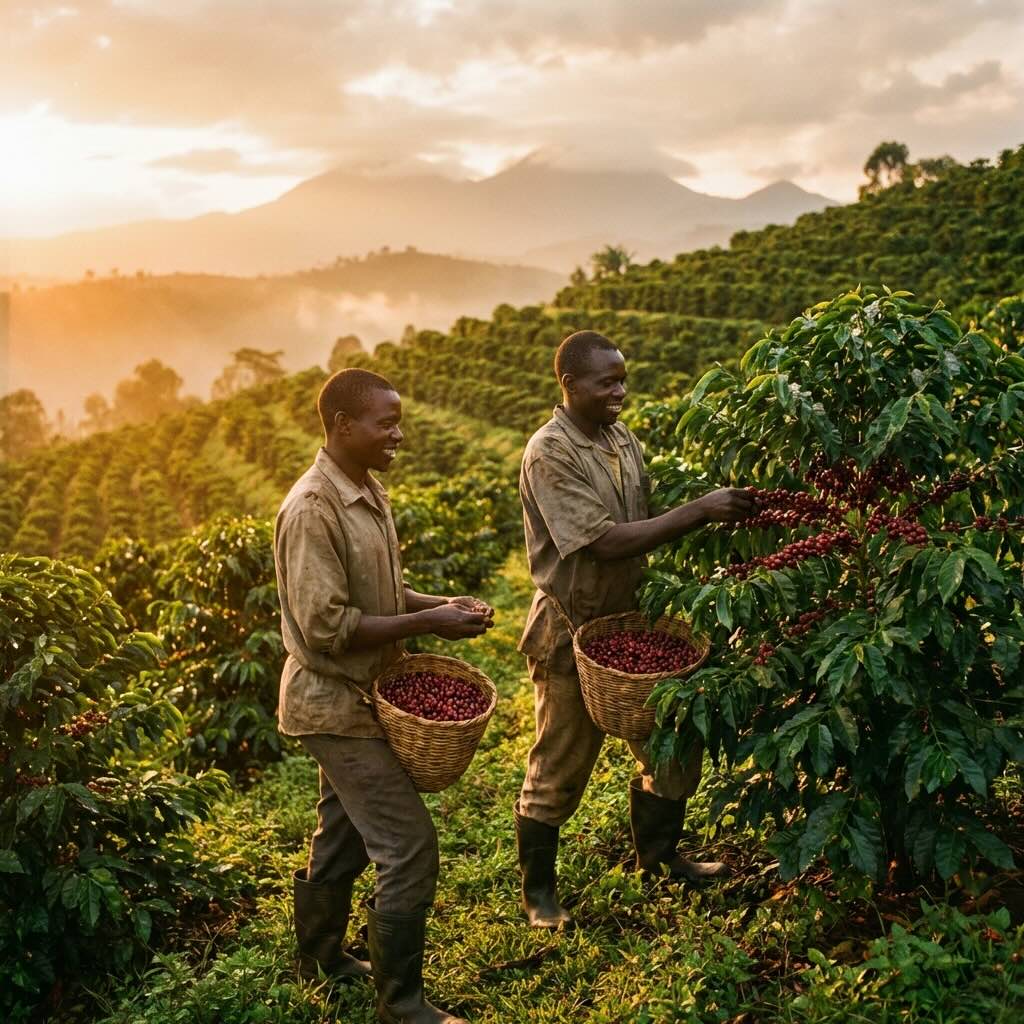
Ugandan specialty coffee, particularly from Mt. Elgon’s slopes, exemplifies sustainable production: shade-grown under indigenous trees, processed with water recycling, and produced by farmer cooperatives investing premiums in community development.
At Swab Dealers, sustainability isn’t an add-on—it’s foundational to how we source. Our direct relationships with Ugandan farming communities ensure that every purchase supports environmental stewardship and economic viability.
Ready to integrate sustainable coffee beans into your supply chain? Contact us to discuss your sustainability goals and sourcing needs.