Single Origin Coffee Beans
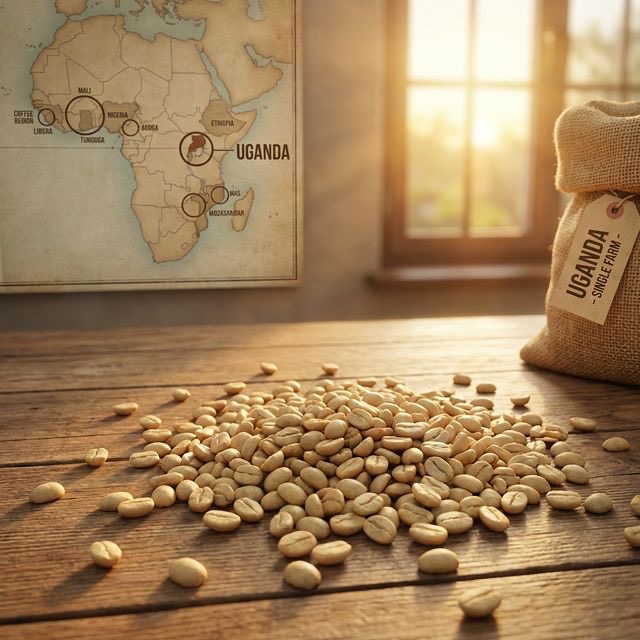
Single Origin Coffee Beans: Why Traceability Is Driving Premium Wholesale Pricing
The wholesale coffee market is undergoing a fundamental shift. Buyers who once prioritized blends for consistency are now actively seeking single origin coffee beans — and they’re paying 30–40% more for them. The reason isn’t just flavor. It’s the story, the traceability, and the confidence that comes from knowing exactly where every bean was grown, harvested, and processed.
If you’re a roaster, café owner, or wholesale distributor still treating origin as a label on the bag, you’re leaving money on the table. Let me explain why single source coffee is reshaping B2B purchasing decisions — and how to position yourself ahead of this curve.
What Actually Defines Single Origin Coffee?
The term gets tossed around a lot, often loosely. Here’s what it genuinely means in a B2B context:
- Single Country: The broadest definition — beans from one nation. Uganda, Ethiopia, Colombia. This is the minimum threshold most wholesalers accept.
- Single Region: More specific — beans from one growing region within a country. Mt. Elgon in Eastern Uganda, Yirgacheffe in Ethiopia, Huila in Colombia.
- Single Farm/Estate: The gold standard — beans from one specific farm or cooperative, often with lot-level traceability.
- Single Lot/Micro-lot: The absolute peak — a specific harvest lot, sometimes just a few hundred kilos, from a single processing batch.
For wholesale buyers, the deeper the traceability, the higher the perceived value — and the higher the price point you can command downstream.
Why Single Origin Commands Premium Pricing
This isn’t marketing hype. The premium attached to single origin beans is driven by measurable market forces.
1. Consumer Demand Has Shifted Permanently
Third-wave coffee culture has educated consumers to ask “where is this from?” the way wine drinkers ask about appellations. Cafés that can answer with specificity — “This is from the Bugisu cooperative on Mt. Elgon’s western slopes, washed processed at 1,800 meters” — build trust and justify higher menu prices.
2. Quality Consistency Through Terroir
Single origin beans express terroir — the unique combination of altitude, soil composition, rainfall, and microclimate that shapes flavor. Ugandan Arabica from Mt. Elgon consistently delivers chocolate and citrus notes that no blend can reliably replicate. When roasters understand the terroir behind their beans, they can make better roasting decisions and deliver more consistent cups.
3. Supply Chain Transparency Reduces Risk
In commodity coffee, you often don’t know what you’re getting until you cup it. With single source purchasing, you can request pre-shipment samples from the exact lot you’ll receive. You know the processing method, the harvest date, the altitude tier, and often the specific farmers involved. This transparency reduces the costly surprises that plague commodity purchases.
| Factor | Commodity Blend | Single Origin |
|---|---|---|
| Traceability | Country level at best | Farm/lot level |
| Quality Predictability | Varies by shipment | Consistent per origin |
| Wholesale Premium | Baseline | +20–40% over commodity |
| Retail Markup Potential | Standard margins | Premium margins (story value) |
| Customer Loyalty | Price-sensitive switching | Origin loyalty builds retention |
The Business Case: Single Origin vs. Blend Economics
Here’s what the numbers actually look like for a mid-volume roaster purchasing 500kg monthly:
A standard commercial blend might cost you $3.50–$4.50/kg green. A traceable single origin Ugandan Arabica from a known cooperative sits around $5.00–$6.50/kg. That $1.50–$2.00/kg premium seems steep until you look at the downstream math.
Roasters selling single origin bags at retail typically achieve $22–$28 per 250g bag versus $14–$18 for blends. That’s a 40–55% increase in retail revenue per kilogram roasted. For café wholesale clients, single origin espresso commands $2–$4 more per kilogram over blend pricing.
The premium you pay at sourcing multiplies significantly through the value chain.
How to Source Single Origin Beans Effectively
Establish Direct Relationships
The most valuable single origin coffees come through direct relationships with exporters who work closely with specific cooperatives. This isn’t about eliminating middlemen for the sake of it — it’s about ensuring that the lot you sample is the lot you receive. Reputable exporters like those operating from Uganda’s eastern highlands maintain relationships with specific farmer groups spanning multiple harvest seasons.
Request Full Traceability Documentation
At minimum, your supplier should provide:
- Region and altitude of production
- Cooperative or farm name
- Processing method (washed, natural, honey)
- Harvest season and crop year
- Screen size and moisture content at export
- Cupping score from a certified Q-Grader (if applicable)
Cup Before You Commit
Pre-shipment samples are non-negotiable for single origin purchases. Cup the actual lot — not a representative sample from a previous season. Flavor profiles vary year to year based on rainfall patterns, processing variations, and even the age of the coffee trees.
Plan for Seasonality
Unlike blends where you can substitute components, single origin coffee beans are inherently seasonal. Ugandan Arabica harvests primarily from October through February. If you’re building your menu around a specific origin, you need purchasing and storage strategies that account for crop cycles. Most well-stored green coffee maintains quality for 8–12 months post-harvest.
Uganda’s Mt. Elgon: An Undervalued Single Origin Opportunity
While buyers compete fiercely for Ethiopian Yirgacheffe and Kenyan AA lots, Ugandan specialty coffee remains significantly undervalued relative to its cupping quality. Here’s why forward-thinking roasters are paying attention:
- Altitude: Mt. Elgon farms sit at 1,500–2,200 meters — comparable to Ethiopia’s best growing altitudes
- Varieties: SL-14 and SL-28 cultivars produce complex, clean cups with stone fruit and chocolate complexity
- Value: Ugandan specialty-grade Arabica typically costs 20–30% less than equivalent Ethiopian or Kenyan lots
- Availability: Less buyer competition means more consistent access to quality lots
- Growth curve: Uganda invested heavily in specialty processing infrastructure post-2020, and quality is improving rapidly
This combination of quality, value, and availability won’t last forever. As more roasters discover Ugandan single origin, pricing will inevitably converge with established East African origins.
Building Your Single Origin Program
If you’re transitioning from blends to incorporating single origin offerings, here’s a practical roadmap:
- Start with one origin: Don’t launch five single origins simultaneously. Pick one that complements your existing blend and build customer familiarity.
- Educate your downstream buyers: Provide origin cards, tasting notes, and farm stories that your café clients can share with their customers.
- Price confidently: Single origin isn’t discount coffee. Price it to reflect its value and position it as a premium offering.
- Create seasonal rotation: Use the natural harvest cycles of different origins to create rotation excitement. Your Uganda lot transitions to a different origin when the crop year ends.
- Track what sells: Monitor which origins resonate with your market and double down accordingly.
The Traceability Trend Isn’t Slowing Down
Every major indicator suggests that demand for traceable, single source coffee beans will continue growing. Regulatory pressure for supply chain transparency, consumer preference for authentic products, and the specialty coffee industry’s expansion into new markets all point in one direction.
For wholesale buyers and roasters, the question isn’t whether to offer single origin — it’s how quickly you can build the sourcing relationships that give you consistent access to the best lots before your competitors do.
Swab Dealers exports fully traceable single origin Arabica from Uganda’s Mt. Elgon cooperatives. Every lot includes complete documentation, pre-shipment samples, and cupping scores from certified professionals.
Request Single Origin Samples →