Why Fresh Roasted Coffee Beans Drive Higher Café Profits
Why Fresh Roasted Coffee Beans Drive Higher Café Profits
There’s a moment I remember clearly from early in my coffee career. A café owner showed me two espressos side by side—one pulled from beans roasted two weeks ago, the other from beans roasted six weeks ago using the same coffee, same recipe, same machine. The difference wasn’t subtle. The younger beans produced a shot with vibrant crema, layered sweetness, and a finish that lingered. The older beans? Flat, slightly papery, forgettable. That’s when I understood that fresh roasted coffee beans aren’t a marketing gimmick—they’re the difference between serving something memorable and serving something merely adequate.
For café owners and roasters focused on building profitable, sustainable businesses, freshness isn’t just about flavor—it’s about margins, customer loyalty, and competitive positioning. Let’s explore why fresh coffee matters for your bottom line and how to structure sourcing that delivers it consistently.
The Science of Coffee Freshness
Understanding what happens to roasted coffee over time helps you make better decisions about sourcing, inventory, and marketing.
What Changes After Roasting
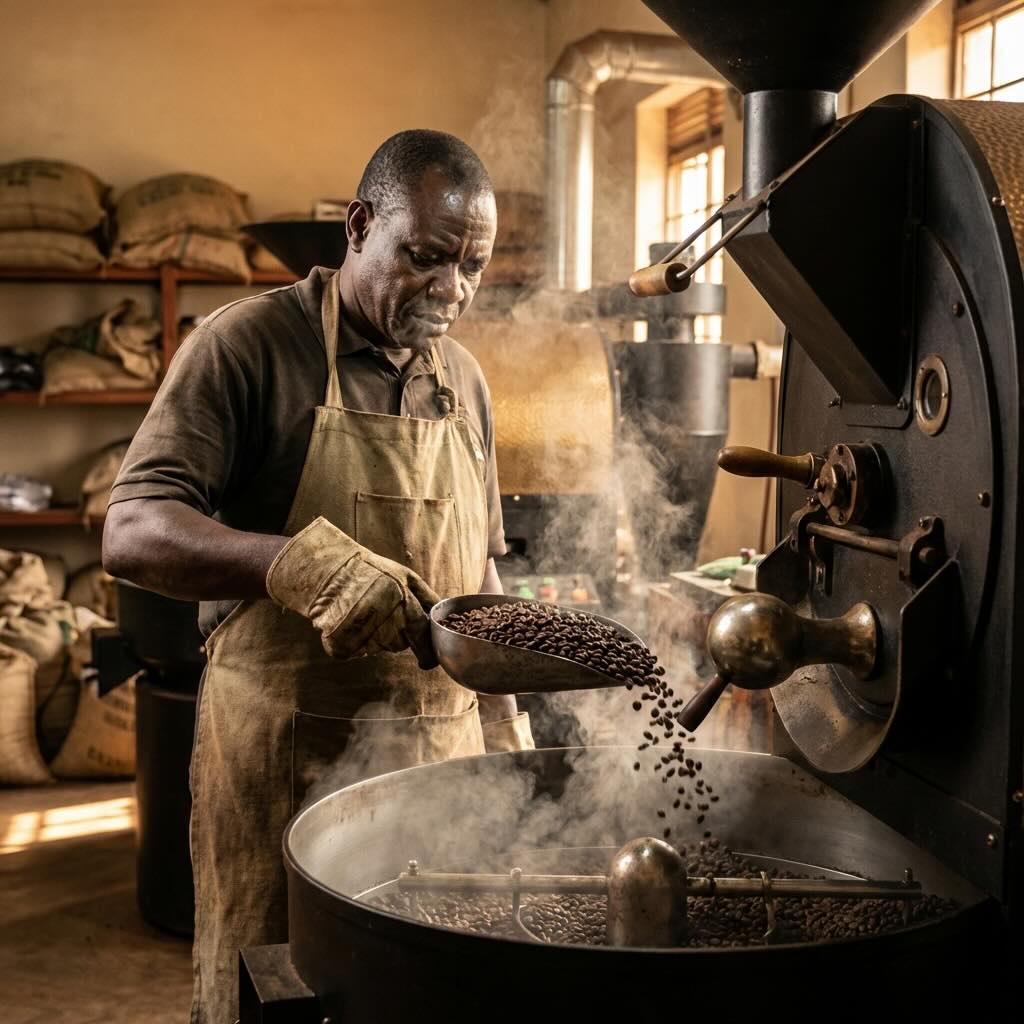
Roasting transforms green coffee through Maillard reactions and caramelization, creating the aromatic compounds that define great coffee. But these compounds are volatile—they literally want to escape.
Immediately after roasting, coffee releases CO2 trapped during the roasting process (degassing). This is why truly fresh coffee blooms dramatically when water hits it. But alongside CO2 escape, aromatic compounds also volatilize:
- First 24-72 hours: Rapid CO2 release, coffee may be too active for some brewing methods (especially espresso)
- Days 4-14: Peak flavor window for most brewing methods—degassing has slowed, aromatics remain vibrant
- Days 15-30: Flavor begins to flatten, acidity rounds off (some prefer this for espresso)
- Beyond 30 days: Noticeable staling—papery, flat, losing origin character
- Beyond 60 days: Significant degradation—barely recognizable compared to fresh
Oxidation and Staling
Beyond aromatic loss, oxidation attacks the oils in roasted coffee. These oils carry flavor and create body. Oxidized coffee develops rancid, cardboard-like notes that mask origin character. Ground coffee oxidizes dramatically faster than whole beans because of increased surface area exposure.
How Freshness Affects Your Financial Performance
The business case for prioritizing fresh roasted coffee beans is compelling across multiple dimensions.
Premium Pricing Power
Fresh coffee enables premium pricing that stale coffee cannot command. Consider two scenarios:
| Scenario | Pricing | Monthly Revenue (200 drinks/day) |
|---|---|---|
| Standard café, commodity coffee | $4.00 flat white | $24,000 |
| Specialty café, fresh roasted | $5.50 flat white | $33,000 |
That $9,000 monthly difference ($108,000 annually) dwarfs the incremental cost of fresher, higher-quality coffee. Of course, freshness alone doesn’t justify premium pricing—but without freshness, premium positioning fails to deliver the experience customers expect.
Customer Loyalty and Repeat Business
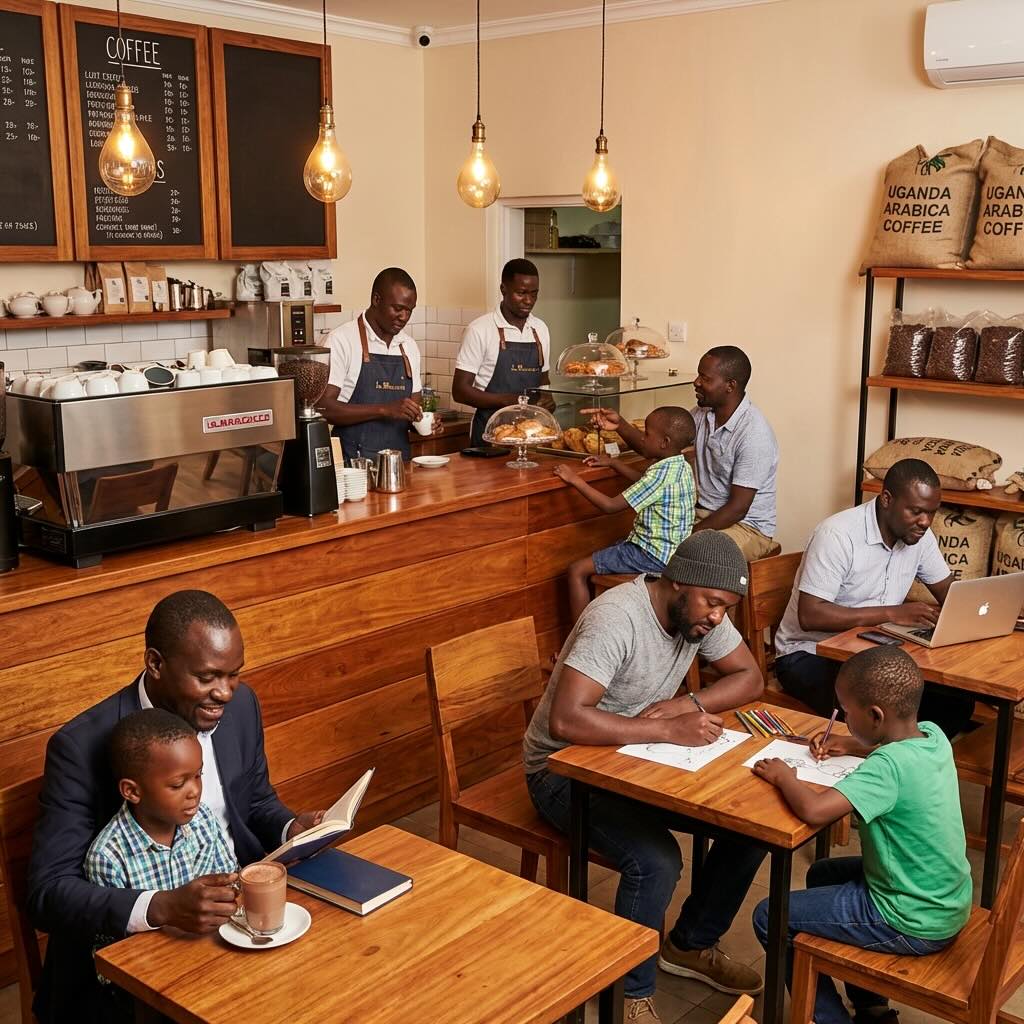
Flavor consistency builds loyalty. Customers develop expectations based on their best experiences with your coffee. When freshness varies—great one week, stale the next—you train customers that your quality is unpredictable. Unpredictable quality erodes the habit formation that drives repeat visits.
Research suggests acquiring a new customer costs five times more than retaining an existing one. Fresh coffee that consistently delivers builds the loyalty that makes your marketing spend more efficient.
Reduced Waste and Complaints
Stale coffee gets sent back, dumped, or grudgingly consumed by disappointed customers who don’t come back. Fresh coffee moves through your inventory before quality degrades, reducing waste and the hidden costs of customer dissatisfaction.
Optimal Freshness Windows by Brewing Method
Different preparation methods have different sweetspots for freshly roasted coffee:
| Brewing Method | Rest Period (Post-Roast) | Peak Window | Acceptable Range |
|---|---|---|---|
| Espresso | 7-10 days | 10-21 days | Up to 35 days |
| Pour Over / Filter | 4-7 days | 7-14 days | Up to 28 days |
| French Press | 5-7 days | 7-21 days | Up to 30 days |
| Cold Brew | 7-14 days | 14-28 days | Up to 45 days |
Notice that espresso—the highest-margin café product—requires the most attention to the freshness window. Serving espresso from coffee older than a month essentially wastes the potential you’re paying for in quality beans.
Structuring Your Supply for Freshness
Achieving consistent freshness requires thoughtful supply chain design.
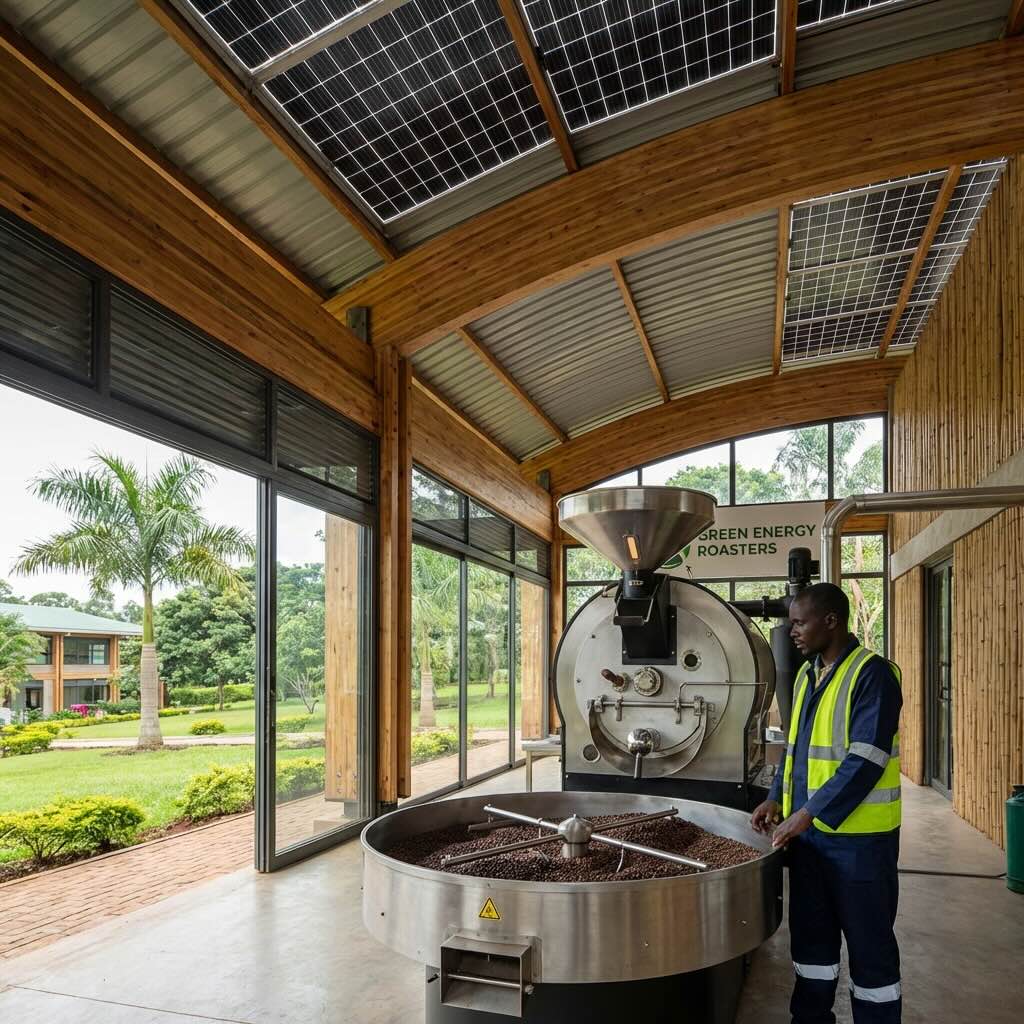
Option 1: Roast In-House
Advantages:
- Maximum freshness control—roast to demand
- Retail opportunity selling fresh beans to customers
- Brand differentiation as a roaster-retailer
- Long-term cost advantages on coffee
Challenges:
- Significant capital investment ($20,000-150,000+ for equipment)
- Requires roasting expertise or training investment
- Space and ventilation requirements
- Additional regulatory compliance
Option 2: Local Roaster Partnership
Advantages:
- Fresh delivery without roasting infrastructure
- Access to professional roasting expertise
- Flexibility to adjust volumes and profiles
- Lower capital requirements
Challenges:
- Dependent on roaster delivery schedules
- May face MOQ requirements
- Less control over roast profile evolution
Option 3: Wholesale from Quality-Focused Roasters
Advantages:
- Access to professional roasting at scale
- Often lower pricing than local artisan roasters
- Established quality systems
Challenges:
- Shipping time reduces freshness window
- Requires careful inventory management
- Less relationship depth than local partners
Inventory Management for Maximum Freshness
Whichever sourcing approach you choose, inventory management determines whether you achieve freshness goals in practice.
First-In-First-Out (FIFO) Discipline
Always use oldest stock first. Label bags with roast dates prominently. Train staff that freshness rotation is non-negotiable—the same discipline applied to perishable food.
Order Sizing
Calculate consumption rates and order to maintain 2-3 week supply maximum for espresso, up to 4 weeks for filter coffee. Smaller, more frequent orders beat bulk purchasing for freshness-focused operations.
Example calculation:
- Daily espresso consumption: 3kg
- Target freshness window: 21 days
- Maximum inventory: 3kg × 14 days = 42kg (allows 7-day delivery buffer)
- Order frequency: Weekly deliveries of ~21kg
Storage Optimization
Even with proper rotation, poor storage accelerates staling:
- Temperature: Cool is better than warm—65-70°F ideal, never above 80°F
- Light: Store away from direct sunlight, which accelerates oxidation
- Oxygen: Keep bags sealed until use; consider one-way valve bags for bulk storage
- Humidity: Low humidity preferred—moisture accelerates staling
- Odors: Coffee absorbs surrounding aromas—store away from other products
Grinding Fresh: The Forgotten Freshness Factor
Even with perfectly fresh roasted beans, grinding destroys freshness rapidly. Ground coffee stales in hours, not weeks.
The Case for Grinding On-Demand
Commercial grinders with dosing technology enable grinding immediately before brewing without slowing service. The difference in cup quality—especially for espresso—is dramatic and immediately obvious to customers.
If you’re buying pre-ground coffee for any application other than batch brewing in high-volume situations, you’re sacrificing the freshness that justifies premium pricing. Period.
Marketing Freshness to Your Customers
Freshness only adds value if customers perceive it. Make freshness visible:
- Roast dates on bags: Display retail beans with dates prominently
- Roaster story: Share when coffee was roasted, where it comes from
- Visual grinding: Position grinders where customers see (and hear) beans becoming fresh grounds
- Staff education: Train baristas to discuss freshness when customers ask about your coffee
- Menu language: “Fresh roasted daily” or “Roasted this week” signals commitment
Sourcing Fresh Roasted Coffee for Your Business
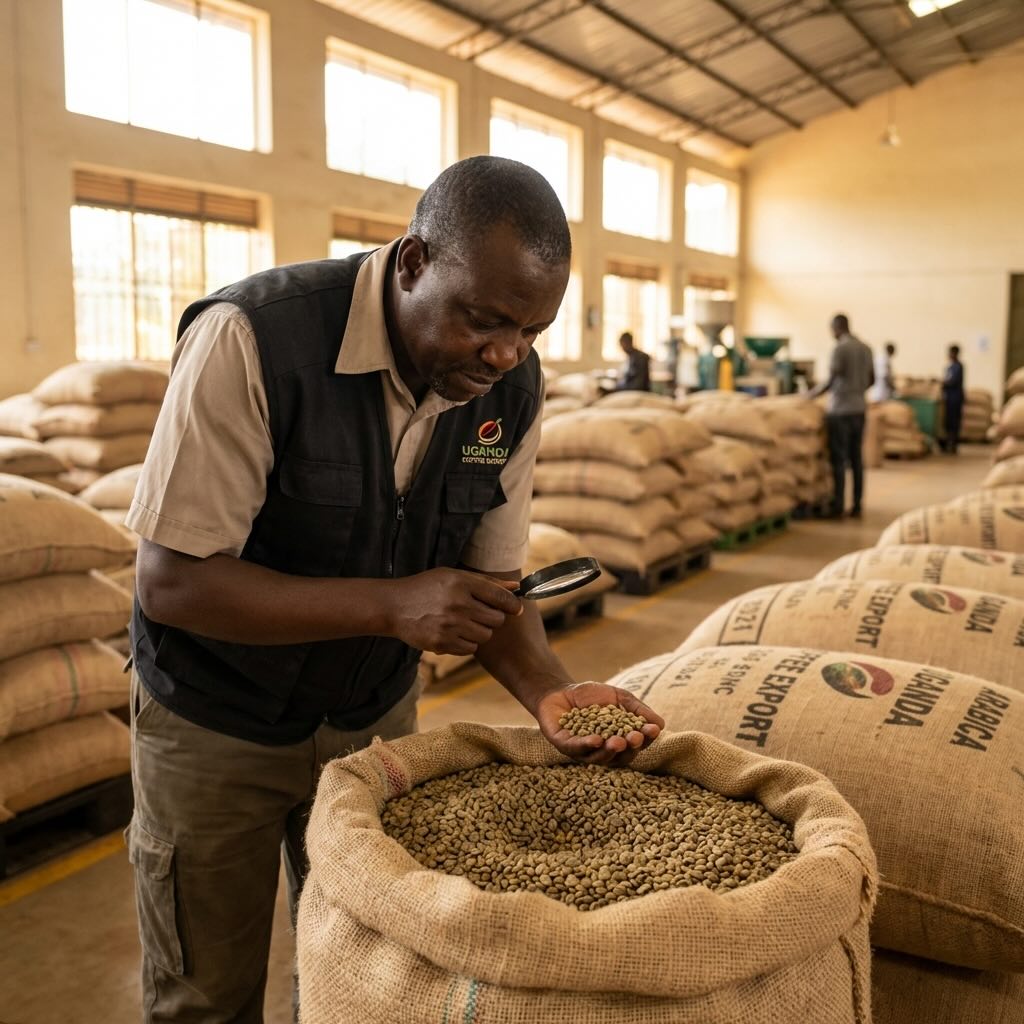
Whether you roast yourself or partner with roasters, the green coffee you source determines your upper limit. No roasting can add quality—only reveal what’s already in the bean.
For cafés and roasters prioritizing fresh roasted coffee beans, sourcing considerations include:
- Green coffee freshness: Current-crop beans roast better than old-crop
- Origin quality: Specialty-grade beans from quality-focused origins
- Consistency: Suppliers who deliver uniform lots for repeatable results
- Relationship depth: Partners who understand your freshness requirements
At Swab Dealers, we ship green coffee with known harvest and processing dates, enabling roasters to maintain freshness throughout their supply chain. Our Ugandan Arabica—SCA scores 83-87—delivers the quality that rewards freshness-focused handling.
Ready to build a fresher coffee program? Contact our team to discuss your sourcing needs and freshness goals.