Coffee Freshness Secrets: How to Keep Ground Coffee Fresh for Months
Understanding Coffee Freshness: From Coffee Tree to Cup
The journey of tasty coffee begins at the coffee tree, where both Arabica and coffee Robusta cherries develop their unique flavor profiles. However, once coffee is harvested, processed, and especially after grinding, it becomes vulnerable to degradation. To understand how to keep ground coffee fresh for months, we must first understand what causes coffee to lose its quality.
The Science Behind Coffee Degradation
Ground coffee is essentially thousands of tiny particles with massive surface area exposed to air. This exposure triggers several chemical processes:
- Oxidation: Oxygen reacts with coffee oils, creating stale, cardboard-like flavors
- Moisture Absorption: Coffee is hygroscopic, meaning it absorbs moisture from the air, leading to staleness
- CO2 Release: Freshly roasted coffee releases carbon dioxide; once depleted, coffee loses vibrancy
- Volatile Compound Loss: Aromatic compounds that create coffee’s signature smell evaporate quickly
- Light Degradation: UV rays break down flavor compounds and essential oils
What Factor Impacts a Change in Coffee Quality?
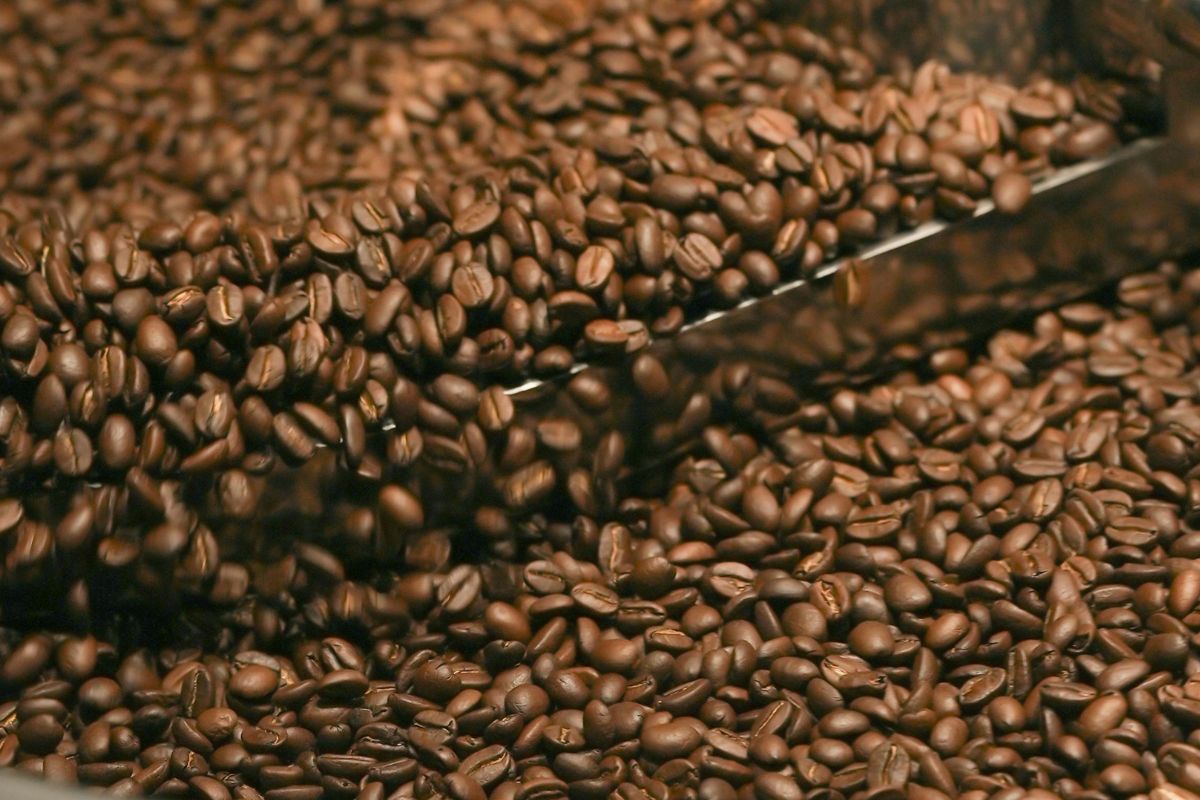
When discussing what factor impacts a change in the quantity of a product or service in the coffee industry, we’re really talking about the environmental conditions that affect coffee’s shelf life and usability. Four primary enemies threaten your ground coffee’s freshness:
The Four Enemies of Coffee Freshness
- Oxygen (Air): The primary culprit in coffee degradation. Even small amounts of oxygen exposure accelerate staleness.
- Moisture: Introduces water activity that promotes degradation and can lead to mold in extreme cases.
- Light: Both natural and artificial light break down coffee’s delicate flavor compounds through photodegradation.
- Heat: Elevated temperatures speed up all chemical reactions, dramatically shortening coffee’s lifespan.
Understanding these factors is crucial for anyone learning how to keep ground coffee fresh for months. Each factor compounds the others—for example, heat and moisture together cause faster degradation than either alone.
☕ The Golden Rule of Coffee Storage
To keep ground coffee fresh for months, remember the acronym COLD: Cool temperature, Oxygen-free environment, Light-blocking container, Dry conditions.
At ROASTINO, we package our premium Arabica and coffee Robusta blends in valve-sealed bags that release CO2 while preventing oxygen entry. This technology, combined with proper home storage, ensures your coffee remains tasty for months.
How to Keep Ground Coffee Fresh for Months: The Complete Method
Now that we understand the science, let’s explore the practical steps for maintaining tasty coffee over extended periods. Whether you’re storing coffee Robusta or premium Arabica beans, these methods apply universally.
Step 1: Choose the Right Container
The container you select is perhaps the most critical decision in coffee storage:
- Airtight Seal: Look for containers with rubber gaskets or clamp-down lids that create true air-tight seals
- Opaque Material: Ceramic, stainless steel, or UV-protected glass blocks harmful light
- Appropriate Size: Use smaller containers to minimize air space; don’t store 100g of coffee in a 1kg container
- Vacuum-Seal Option: Consider vacuum-sealed canisters that remove air before sealing
- One-Way Valve: For freshly roasted coffee, valves allow CO2 escape without letting oxygen in
Step 2: Control the Storage Environment
Where you store coffee matters as much as what you store it in:
- Cool Location: Aim for 50-70°F (10-21°C); avoid areas near stoves, ovens, or sunny windows
- Dry Area: Keep away from dishwashers, sinks, and humid environments
- Dark Space: Pantries and cupboards work perfectly; avoid glass-front cabinets
- Stable Conditions: Avoid temperature fluctuations which cause condensation
Step 3: Portion Control Strategy
Here’s a professional technique used by coffee shops to maintain freshness:
- Divide Large Quantities: Split bulk purchases into weekly portions
- Daily Use Container: Keep one small container for daily use (3-7 days worth)
- Long-Term Storage: Seal remaining portions in individual airtight containers
- Never Mix Old and New: Don’t top off partially used containers with fresh coffee
The Freezer Debate: Does It Work?
One of the most discussed topics in coffee talk is whether freezing extends coffee’s life. The answer is nuanced and depends on proper technique.
When Freezing Works
Freezing can extend ground coffee’s freshness up to 3-6 months if done correctly:
- Pre-Portion Before Freezing: Divide coffee into single-use portions (enough for 3-7 days each)
- Use Freezer-Safe Bags: Double-bag in heavy-duty freezer bags, removing as much air as possible
- Label Everything: Mark the date and roast type on each package
- Thaw Before Opening: Let frozen coffee reach room temperature before opening to prevent condensation
- Never Refreeze: Once thawed, use that portion completely
Why Refrigeration Doesn’t Work
Unlike freezing, refrigeration is actually harmful to coffee:
- Refrigerators are humid environments that introduce moisture
- Coffee absorbs odors from other foods (your coffee shouldn’t taste like onions!)
- Constant temperature changes when opening the fridge cause condensation
- The refrigerator temperature isn’t cold enough to halt degradation significantly
☕ Experience Freshness from the Source
Start with the freshest coffee possible! ROASTINO’s specialty roasted coffee from Uganda’s highlands is packaged immediately after roasting in valve-sealed bags for maximum freshness.
Shop Fresh Roasted CoffeeCoffee Robusta vs Arabica: Storage Differences
While the basic storage principles apply to all coffee, understanding the differences between coffee Robusta and Arabica can help optimize your storage strategy.
Robusta Storage Characteristics
- Higher Caffeine Content: Caffeine acts as a natural preservative, giving Robusta slight storage advantages
- Stronger, Bolder Flavors: Less delicate than Arabica, flavor degradation may be less noticeable initially
- Lower Oil Content: Less prone to rancidity from oxidation
- Best Use: Espresso blends and bold coffee drinks where subtle flavor notes aren’t critical
Arabica Storage Characteristics
- Complex Flavor Profile: Delicate notes degrade faster, making proper storage more critical
- Higher Sugar Content: More prone to oxidation affecting sweetness
- Greater Oil Content: Oils can become rancid if exposed to air and light
- Best Use: Pour-over, drip coffee, and applications where flavor complexity matters
At ROASTINO, we specialize in 100% Arabica coffee from Uganda’s mountain regions, where proper storage becomes even more important to preserve the exceptional flavor profiles these beans offer.
Commercial Coffee Storage: Lessons for Home Users
Coffee shops and roasteries have perfected the art of keeping coffee fresh. Here are professional techniques you can apply at home to keep ground coffee fresh for months:
The FIFO Method (First In, First Out)
Coffee shops never mix old and new coffee. They use the FIFO rotation system:
- Date every package when opened
- Always use older coffee first
- Track usage to avoid over-purchasing
- Never combine partially used bags
The Two-Container System
Professional baristas use this simple but effective approach:
- Working Container: Holds 3-7 days of coffee, accessed frequently
- Storage Container: Sealed master container opened only to refill working container
- This minimizes how often your bulk coffee is exposed to air
- Reduces moisture and odor contamination risks
Quality Monitoring
Establish a system to evaluate coffee freshness:
- Visual Check: Fresh ground coffee should appear slightly oily (for dark roasts) and uniform
- Aroma Test: Open container and smell immediately; fresh coffee releases strong, pleasant aromas
- Dry Grounds Test: Grounds should not clump or feel damp
- Brew Test: Watch for crema formation (for espresso) and bloom (for pour-over)
Signs Your Coffee Has Lost Freshness
Knowing how to keep ground coffee fresh for months also means recognizing when coffee is past its prime. Watch for these telltale signs:
Sensory Indicators
- Weak Aroma: Fresh coffee should have a strong, inviting smell; weak or absent aroma indicates staleness
- Flat Taste: Loss of complexity, brightness, and distinct flavor notes
- Cardboard or Musty Notes: Off-flavors that weren’t present when coffee was fresh
- Lack of Body: Thin, watery mouthfeel instead of full-bodied richness
- Visual Changes: Coffee appears dull, lighter in color, or has visible moisture
Brewing Behavior Changes
- No Bloom: Fresh coffee releases CO2 and “blooms” when water hits it; stale coffee doesn’t
- Poor Crema: Espresso should produce rich, thick crema; thin or no crema indicates old coffee
- Faster Extraction: Stale coffee may extract more quickly due to degraded cellular structure
Frequently Asked Questions
Mastering Coffee Freshness: Your Path to Perfect Coffee
Learning how to keep ground coffee fresh for months transforms your coffee experience from ordinary to extraordinary. Whether you’re enjoying coffee Robusta for its bold intensity or savoring the complex notes of Arabica straight from the coffee tree, proper storage ensures every cup delivers the tasty coffee experience you deserve.
The principles are straightforward but require consistency: protect your coffee from oxygen, moisture, light, and heat. Use appropriate containers, control your storage environment, and implement smart portioning strategies. These simple steps make the difference between flat, stale coffee and vibrant, flavorful brews that taste as fresh as the day they were roasted.
Remember that what factor impacts a change in the quantity of a product or service in the coffee world directly relates to how well you control these storage variables. Better storage means less waste, more consistent quality, and ultimately, more satisfaction with every cup you brew.
At ROASTINO, we start your freshness journey right. Our specialty coffee is roasted to order and packaged in valve-sealed bags that protect your coffee from the moment it leaves our roasting warehouse until you open it at home. Combined with the storage techniques shared in this guide, you’ll experience months of consistently tasty coffee that honors the journey from coffee tree to cup.
Whether you’re part of the daily coffee talk community or simply someone who appreciates a great cup of coffee, mastering storage techniques elevates your entire coffee experience. Start implementing these strategies today, and discover how proper storage transforms your daily brew from routine to remarkable.
References & Further Reading:
For more information about coffee storage, chemistry, and preservation methods, visit the Coffee article on Wikipedia, which provides comprehensive information about coffee science, processing methods, and storage considerations. Additional resources about coffee freshness and quality can be found through the Coffee Preparation page.