Coffee Bean Grading Systems: Understanding Quality Standards
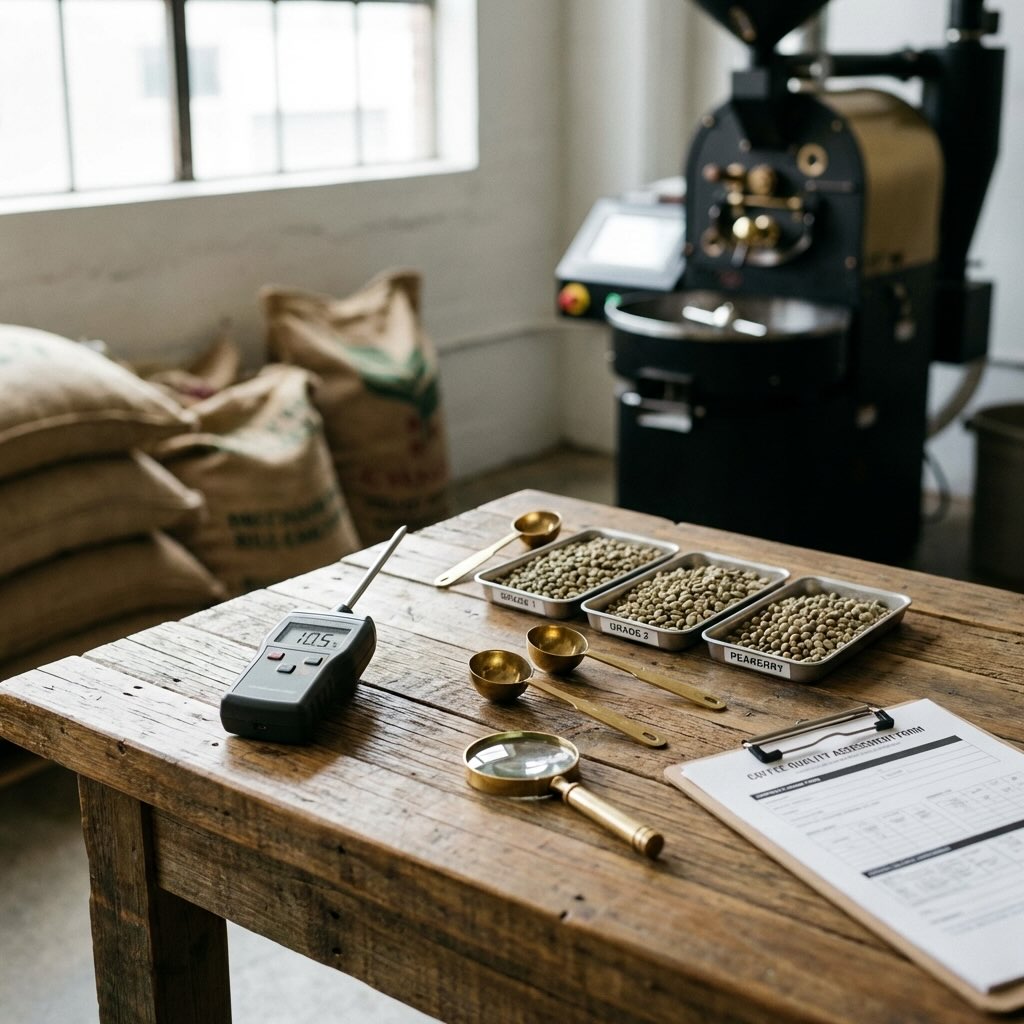
The Complete Guide to Coffee Bean Grading Systems: Understanding Quality Standards
When you’re searching for coffee beans best quality for your café or roasting business, understanding grading systems isn’t optional—it’s essential. Grading determines pricing, affects roasting behavior, and directly impacts what ends up in your customers’ cups. Yet I’ve met experienced coffee professionals who still feel uncertain about what these grades actually mean and whether they’re getting fair value. Let’s demystify the systems together.
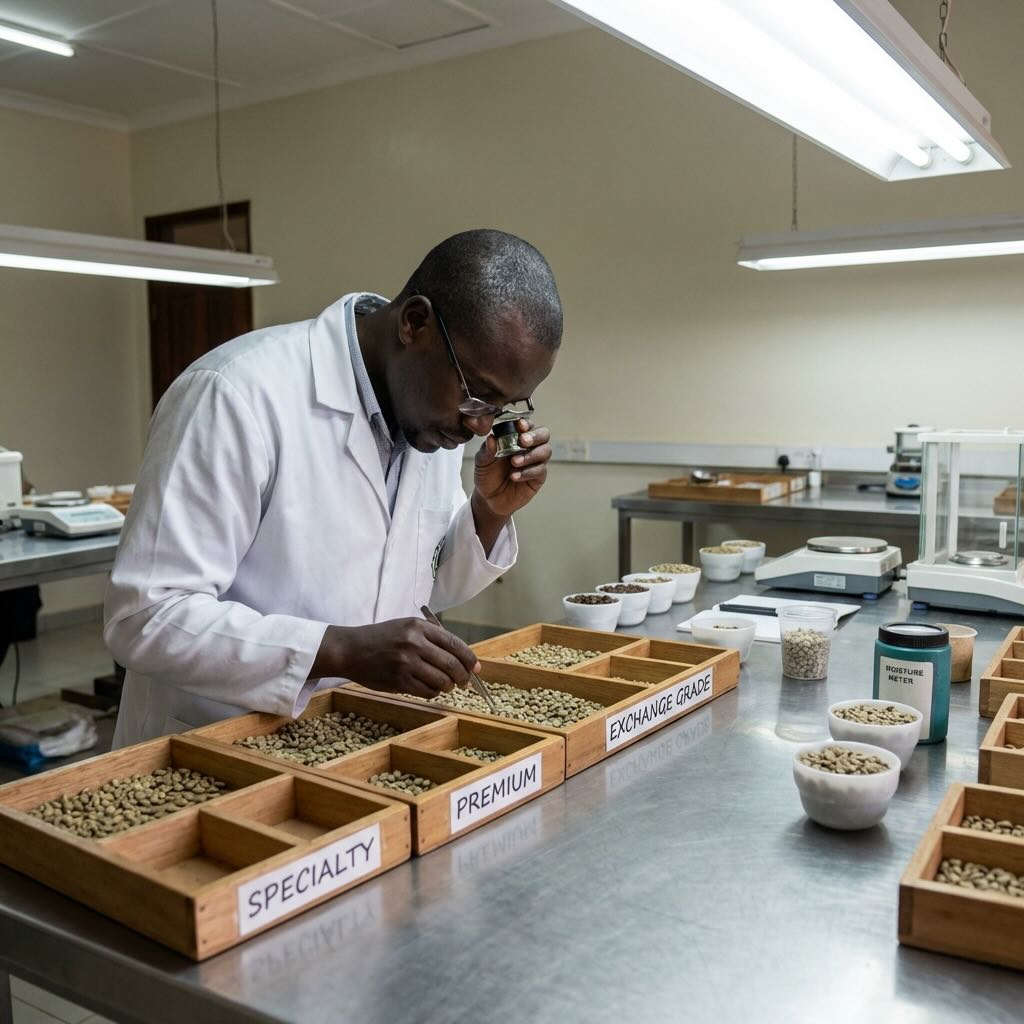
This guide walks through the major grading frameworks you’ll encounter when sourcing wholesale coffee, explains what each level means in practical terms, and helps you match grades to your quality requirements and budget.
Why Coffee Grading Matters for Your Business
Coffee grading serves several critical functions in the global trade:
- Price benchmarking: Grades establish market value references for negotiations
- Quality consistency: Grades set expectations for what you’ll receive shipment after shipment
- Risk management: Proper grading reduces surprises when containers arrive
- Communication: Grades provide common language between origins, exporters, and buyers
Understanding grading helps you ask the right questions, verify claims, and make purchasing decisions aligned with your quality tier and customer expectations.
The Two Major Grading Paradigms
Global coffee uses two distinct but overlapping grading approaches. Most commercial transactions reference both.
Physical Grading: What the Beans Look Like
Physical grading evaluates the visible, measurable characteristics of green (unroasted) coffee beans:
- Screen size: Beans are sorted through screens with progressively smaller holes. Size correlates roughly with altitude, bean density, and roast consistency.
- Defect count: Number and type of imperfect beans per sample weight
- Moisture content: Percentage of water in green beans (ideal: 10-12%)
- Color uniformity: Consistency of bean appearance
- Density: How heavy beans are relative to volume
Cupping Grade: How the Coffee Tastes
Cupping evaluates sensory characteristics when coffee is professionally prepared and tasted:
- Fragrance/Aroma: Smell of dry and wet grounds
- Flavor: Taste characteristics at mid-palate
- Aftertaste: Lingering flavors after swallowing
- Acidity: Brightness and liveliness
- Body: Weight and texture on the palate
- Balance: How well components integrate
- Uniformity: Consistency across multiple cups
- Cleanliness: Freedom from off-flavors
- Sweetness: Presence of pleasant sweetness
- Overall: Combined quality impression
The SCA Grading Scale: The Industry Standard
The Specialty Coffee Association (SCA) provides the most widely used quality classification system for determining coffee beans best quality status.
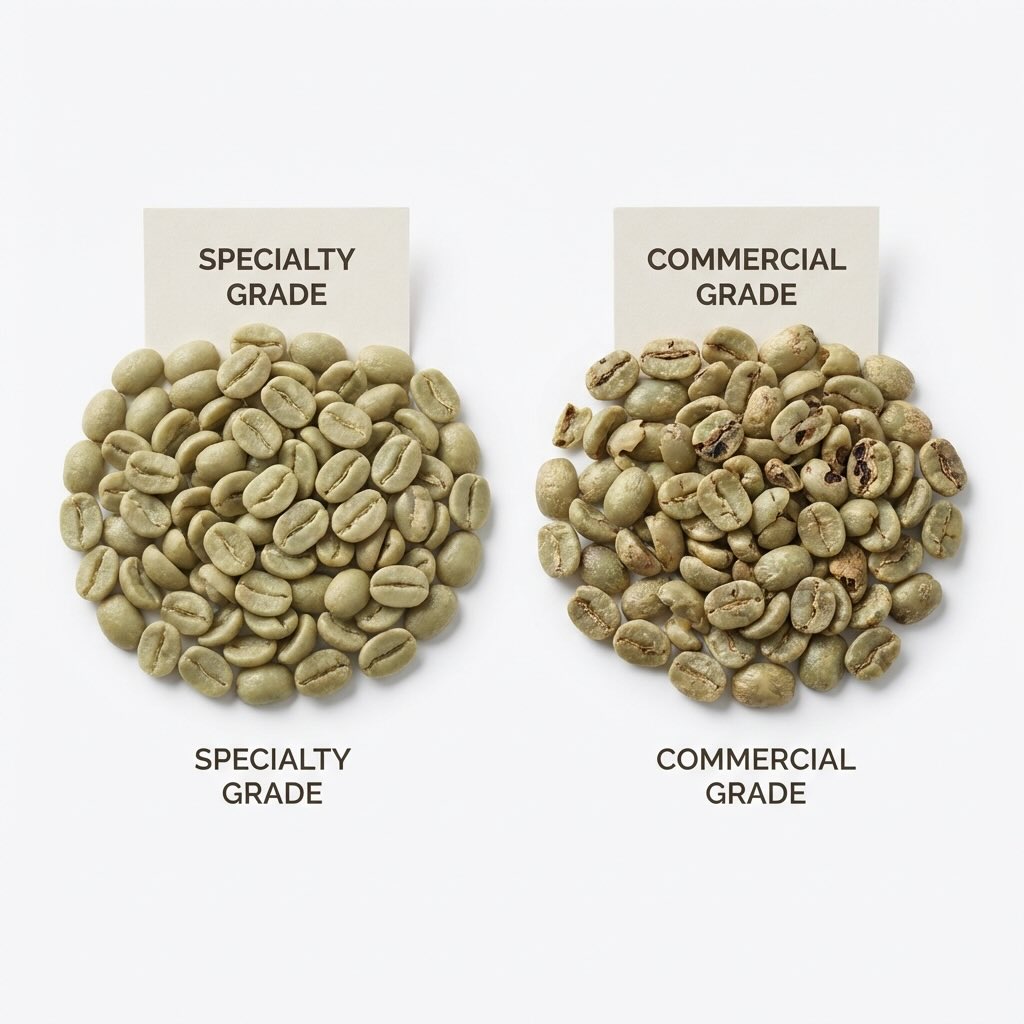
SCA Quality Classifications
| Grade | Cupping Score | Defect Limits (350g sample) | Market Position |
|---|---|---|---|
| Specialty Grade | 80-100 points | 0 Category 1, Max 5 Category 2 | Premium specialty, highest pricing |
| Premium Grade | 75-79 points | 0 Category 1, Max 8 Category 2 | Good commercial, mid-tier specialty |
| Exchange Grade | 70-74 points | Up to 9-23 defects depending on type | Standard commercial, commodity trading |
| Below Standard | 65-69 points | 24-86 defects | Discount commercial, instant coffee |
| Off Grade | Below 65 | More than 86 defects | Industrial use only |
Understanding the 100-Point Scale
The SCA cupping protocol assigns points across attributes, totaling 100 maximum:
- 80-84.99: Very Good Specialty—clean, pleasant, minor flaws tolerable
- 85-89.99: Excellent Specialty—distinctive character, balance, complexity
- 90-100: Outstanding/Exceptional—rare, competition-winning quality
For perspective: most coffees traded commercially score 70-75. Specialty cafés typically serve 80-85 range. Competition winners and gesha lots reach 88-95+.
Defect Classifications Explained
Defects directly affect cup quality. Understanding categories helps you evaluate whether a lot meets your standards.
Category 1 Defects (Primary)
These defects are severe and prohibited in specialty-grade coffee:
| Defect Type | Full Defect Count | Cup Impact |
|---|---|---|
| Full Black Bean | 1 bean = 1 defect | Fermented, sour, unpleasant |
| Full Sour Bean | 1 bean = 1 defect | Vinegary, over-fermented |
| Dried Cherry/Pod | 1 pod = 1 defect | Moldy, fermented off-notes |
| Fungus Damage | 1 bean = 1 defect | Musty, chemical flavors |
| Foreign Matter | 1 piece = 1 defect | Contamination, potential damage to equipment |
| Severe Insect Damage | 5 beans = 1 defect | Hollow, stale, flavor fade |
Category 2 Defects (Secondary)
These defects are less severe but still affect quality when present in significant numbers:
| Defect Type | Full Defect Count | Cup Impact |
|---|---|---|
| Partial Black | 3 beans = 1 defect | Off flavors in affected area |
| Partial Sour | 3 beans = 1 defect | Mild fermentation notes |
| Floater | 5 beans = 1 defect | Papery, stale flavor |
| Immature/Unripe | 5 beans = 1 defect | Grassy, astringent |
| Withered Bean | 5 beans = 1 defect | Lack of sweetness, thin body |
| Shell/Broken | 5 beans = 1 defect | Uneven roasting, bitter notes |
| Hull/Husk | 5 beans = 1 defect | Chaff problems in roasting |
| Slight Insect Damage | 10 beans = 1 defect | Minor flavor impact |
Origin-Specific Grading Systems
Many coffee-producing countries maintain their own grading systems, which may or may not align directly with SCA classifications.
Ethiopian Coffee Grades
| Grade | Defects per 300g | Quality Level |
|---|---|---|
| Grade 1 | 0-3 defects | Specialty (washed) |
| Grade 2 | 4-12 defects | Specialty (often natural process) |
| Grade 3 | 13-27 defects | Commercial |
| Grade 4-5 | 28-86+ defects | Low commercial |
Colombian Coffee Grades
Colombia uses screen size as primary classification:
- Supremo: Screen 17+ (large beans)
- Excelso: Screen 14-16 (medium beans)
- UGQ (Usual Good Quality): Mixed screens, commercial grade
Brazil Coffee Grades
Brazilian grading emphasizes cup quality alongside physical attributes:
- Strictly Soft: Clean cup, no off-notes, specialty potential
- Soft: Pleasant cup, minor character
- Softish: Slight hardness, acceptable commercial
- Hard: Noticeable harshness, low commercial
- Rio/Rioy: Medicinal, iodine notes (defect flavor)
East African Grading (Kenya, Uganda, Tanzania)
Screen size classifications:
- AA: Screen 18+ (largest, premium pricing)
- AB: Screen 15-17 (most common export grade)
- C: Screen 14-15 (smaller beans, lower pricing)
- PB (Peaberry): Single-lobed beans, premium in some markets
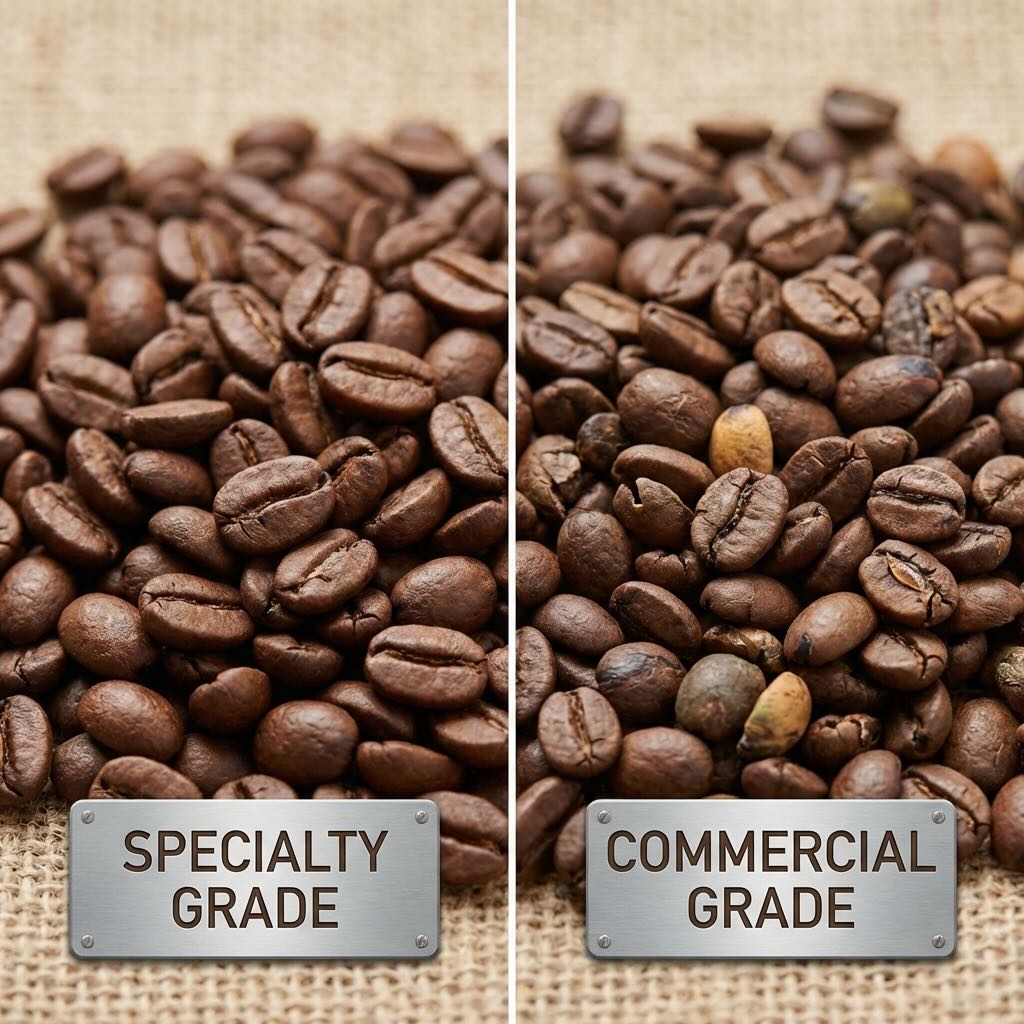
How Grading Affects Your Purchasing Decisions
Practical applications of grading knowledge for wholesale buyers:
Match Grade to Your Market Position
- Third-wave specialty café: Target 84+ SCA scores, specialty grade only
- Quality-focused commercial: 80-84 range offers value with quality
- High-volume roaster: 75-80 premium grade balances cost and acceptability
- Private label/bulk: Exchange grade meets minimum quality at lowest cost
Verify Claimed Grades
Request documentation supporting grade claims:
- Q Grader cupping scores from certified professionals
- Physical analysis reports with screen size and defect counts
- Pre-shipment samples for independent verification
Understand Price-to-Grade Relationships
Typical premium expectations over commodity (C-market) pricing:
- 80-82 SCA: +$0.30-0.50/lb over C-market
- 83-85 SCA: +$0.60-1.00/lb over C-market
- 86-87 SCA: +$1.00-2.00/lb over C-market
- 88+ SCA: +$2.00-5.00+/lb over C-market (auction/direct pricing)
Common Grading Misconceptions
Let’s clear up confusion that trips up many buyers:
“Higher Screen Size = Better Coffee”
Not necessarily. While larger beans often correlate with higher altitude and denser structure, smaller beans from excellent origins can outperform larger beans from less distinguished sources. Cupping score matters more than size.
“Specialty Grade Means Perfect”
Specialty grade (80+ SCA) includes significant range—an 80-point coffee differs substantially from an 88-point coffee. Always request specific scores, not just grade categories.
“Grades Are Universal”
Origin grading systems don’t translate directly. Ethiopian Grade 2 doesn’t equal Colombian Excelso doesn’t equal Brazil Soft. Compare using SCA scores when possible.
Finding the Best Quality for Your Needs
The coffee beans best quality for your business depends on your specific requirements:
- Define your minimum standards: What score/grade won’t you go below?
- Calculate your cost ceiling: What can you spend while maintaining margins?
- Request samples across grades: Taste before committing to volume
- Build grade-specific supplier relationships: Different sources excel at different quality tiers
At Swab Dealers, we specialize in Ugandan Arabica graded 83-87 SCA—the sweet spot where specialty quality meets accessible wholesale pricing. Every lot we export includes cupping scores, physical analysis, and traceability documentation.
Ready to taste quality you can verify? Request graded samples with full documentation.