How Do You Audit a Coffee Company Before Signing a Supply Contract?
Choosing a wholesale coffee company is the single most consequential operational decision a cafe owner will make. Too often, operators are seduced by beautiful packaging, Instagram aesthetics, or free t-shirts given during the initial sales pitch. You are not buying a brand; you are buying a fragile supply chain. If that chain breaks, you run out of espresso and your revenue drops to zero for the day. Here is the exact framework to audit a supplier before you sign a multi-year contract.
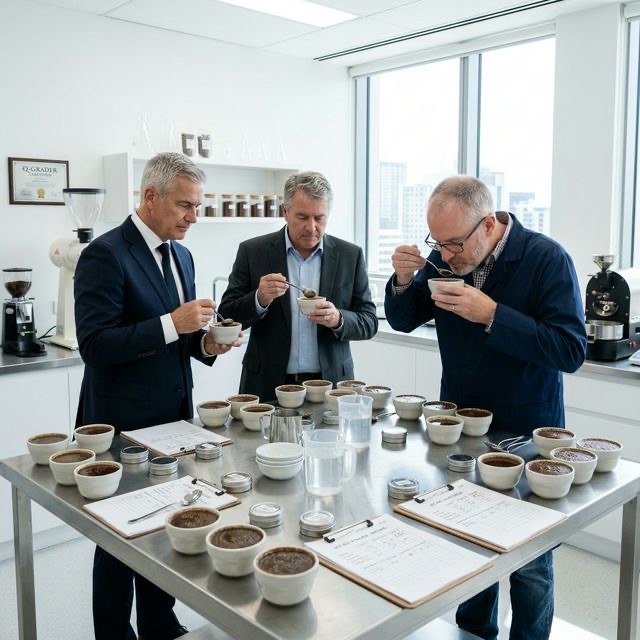
We approach B2B coffee sourcing with zero sentimentality. A supply agreement limits your flexibility in exchange for scale and consistency. If the coffee company cannot mathematically prove their consistency, the contract is worthless.
1. The “Green Buffer” Audit
Coffee is an intensely seasonal agricultural crop. If your cafe serves a specific house blend year-round, you MUST understand how the coffee company maintains that specific flavor profile across twelve months when the component coffees are only harvested once a year.
Ask these specific questions during your facility tour:
- “What is your forward-contracting window?” (A stable coffee company contracts green beans 6 to 12 months in advance directly from origin).
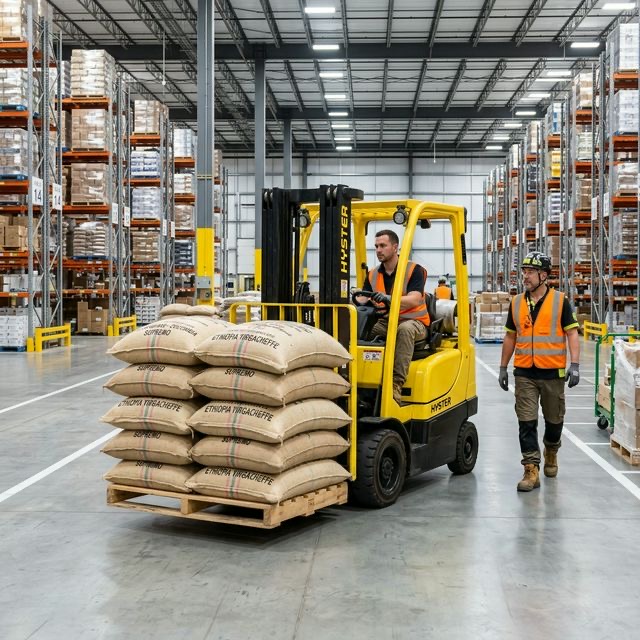
- “How many months of physical green inventory do you hold on-site?” (If the answer is less than 30 days, they are dangerously exposed to port strikes and shipping delays).
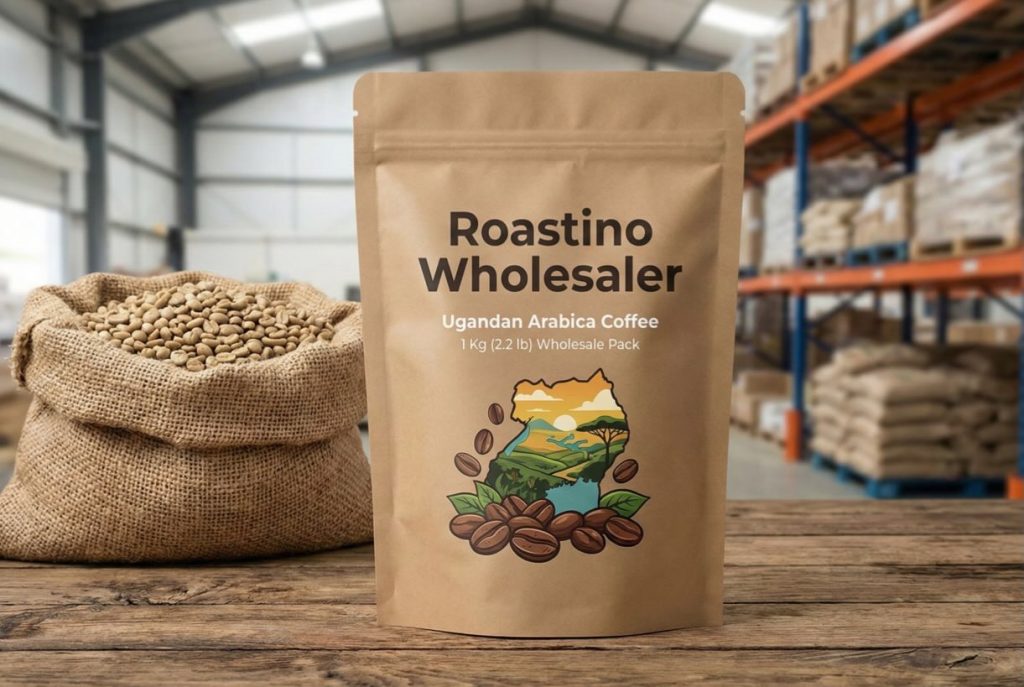
- “When my blend’s primary component runs out contextually, how do you substitute it?” (If your Ugandan base runs out, they should substitute with a similar flavor profile rather than whatever is cheapest on the spot market).
2. Analyzing Their Roast QA Protocol
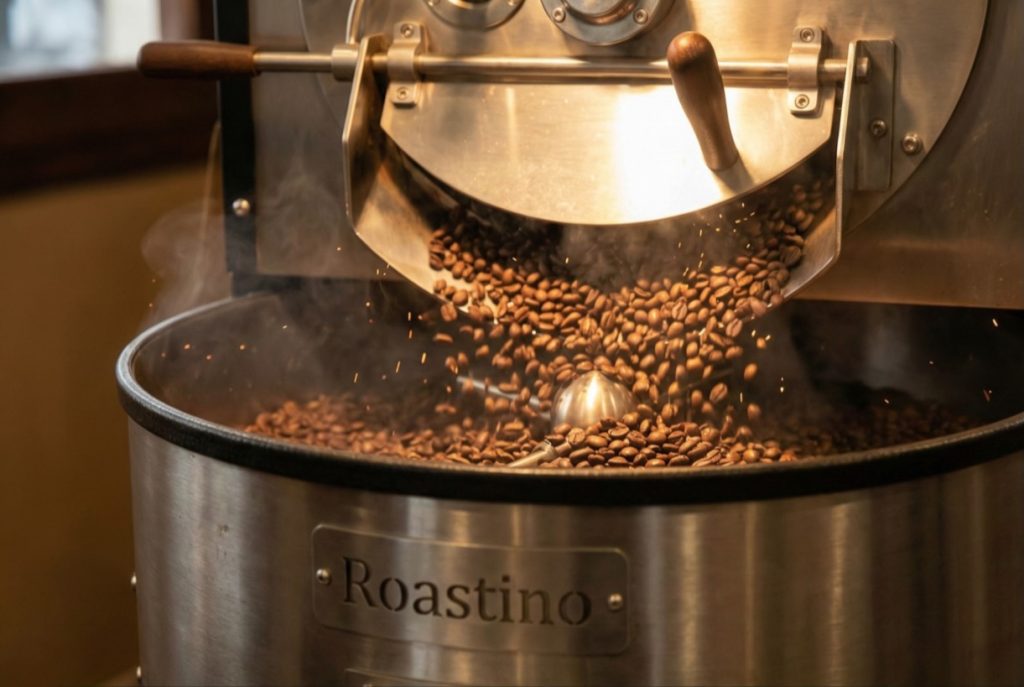
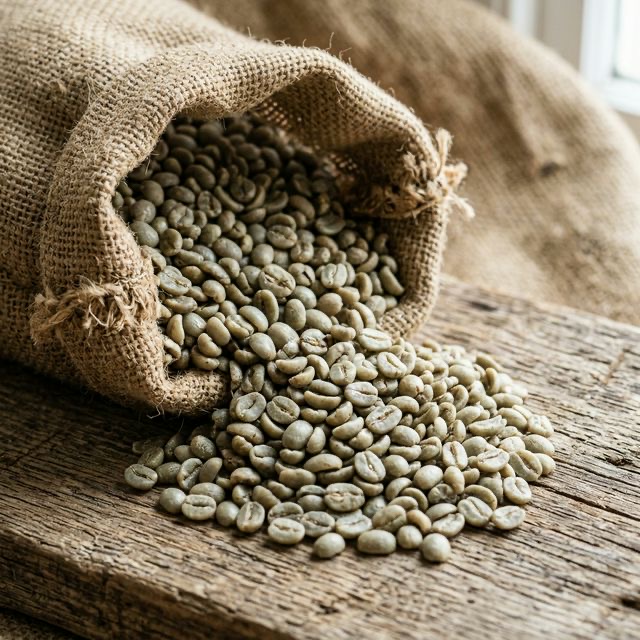
Roasting coffee isn’t magic; it is applied thermodynamics. A coffee company that relies entirely on a “master roaster’s intuition” to replicate a specific blend three times a week is a liability. Human error leads to baked, stalled, or scorched batches.
Look for digital verification. The roasting equipment should be tethered to profiling software (like Cropster or Artisan). They should be able to pull up the exact thermal curve of the batch you sampled last Tuesday and overlay it against the batch they roasted this morning. If they cannot visually prove the temperature curves match, you will experience wildly inconsistent espresso extractions at your cafe.
3. The Logistics and Fulfillment SLA
Your COGS (Cost of Goods Sold) is directly impacted by shipping fees and minimum order quantities (MOQs). A coffee company might offer an incredible base price of $7.50/lb, but if their logistics framework is broken, you lose the margin instantly.
| Logistical Metric | Red Flag Indicator | Green Light Indicator |
|---|---|---|
| Order Cut-Off Time | Vague “order whenever” system via text message. | Strict weekly B2B portal cutoff (e.g., Mondays at 10 AM). |
| Roast-to-Ship Window | Shipping coffee that is over 14 days old (stale). | Roasting on Tuesday, shipping by Wednesday. |
| Shipping Fees | Variable, unpredictable LTL freight costs passed to you. | Pre-negotiated flat rate or free shipping on specific volume MOQs. |
| Emergency Fulfillment | Refusal to do short-runs. | A clear pricing structure for rush emergency orders. |
4. Pricing Transparency and “C” Market Tie-Ins
How does the coffee company handle global price fluctuations? In 2021, when a massive frost destroyed a historic percentage of Brazil’s coffee crop, the global commodity price of coffee skyrocketed. Many undercapitalized wholesale roasters immediately breached their contract prices and passed 30% price hikes directly onto their cafe clients.
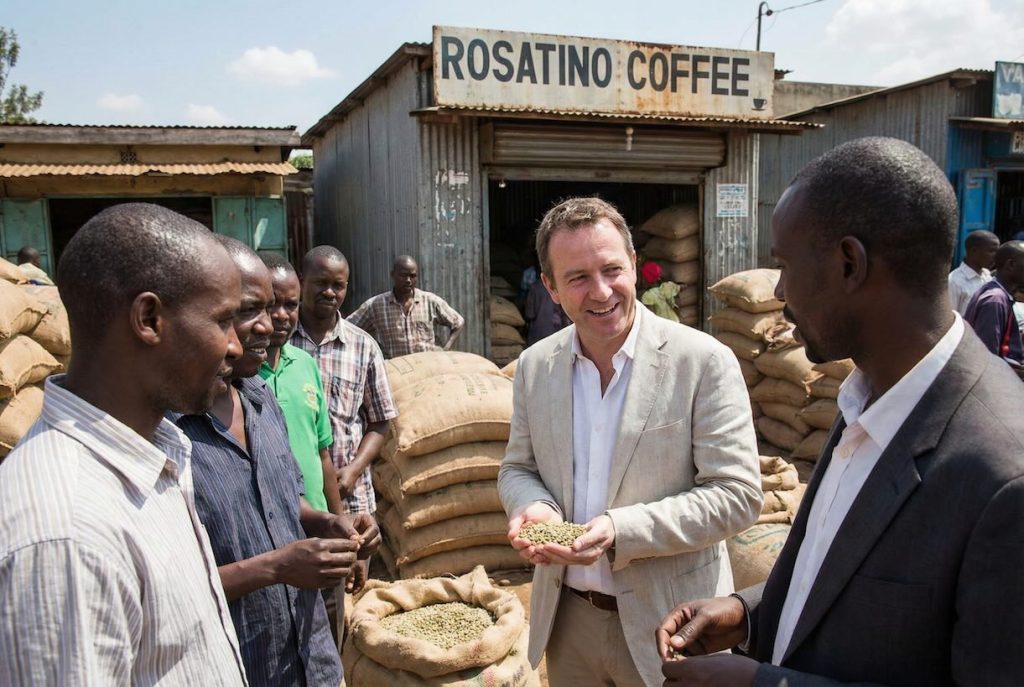
You need to understand how the company structures their pricing matrices. Do they lock in prices annually? Are their prices pegged to the volatile ICE Arabica Coffee futures index? The safest wholesale partners (like Swabdealers) utilize direct-trade models, purchasing coffee at fixed prices directly from cooperatives in Uganda or Colombia. This insulates you—the cafe owner—from Wall Street speculation.
The Final Value Evaluation
A true coffee supply partner actively lowers your operating costs beyond the per-pound price. Do they offer preventative maintenance on your La Marzocco espresso machine? Do they provide free barista training to reduce your milk waste? If a coffee company doesn’t offer auxiliary services that improve your bottom line, they are just a vendor—not a partner.
Swabdealers, makers of Roastino coffee, provides total supply chain transparency. From our direct-trade green imports to our fixed B2B pricing models, we anchor our clients’ operations with unwavering consistency.
Explore Our Wholesale Coffee Supply Chains →