Arabica vs Robusta: Why 100% Arabica Coffee is Worth the Premium
What Are the Main Differences Between Arabica and Robusta?
The distinctions between Arabica and Robusta coffee extend far beyond simple taste preferences. These two species differ fundamentally in their genetic makeup, cultivation requirements, chemical composition, and market positioning. Understanding these differences helps explain why Arabica coffee commands premium prices and loyal customers worldwide.
Botanical and Growing Conditions
Arabica coffee (Coffea arabica) originated in the highlands of Ethiopia and thrives at elevations between 600 and 2,000 meters above sea level. This high-altitude requirement creates ideal growing conditions in regions like Uganda’s Luwero District, where cooler temperatures, ample rainfall, and volcanic soils contribute to exceptional bean quality. Arabica plants are more delicate, requiring specific climate conditions and careful cultivation practices.
Robusta coffee (Coffea canephora), by contrast, grows at lower altitudes (200-800 meters) and tolerates higher temperatures and more variable rainfall. Robusta plants are hardier, more disease-resistant, and produce higher yields per hectare. This resilience makes Robusta easier and cheaper to cultivate, but these advantages come at the cost of flavor complexity and refinement.
| Characteristic | Arabica Coffee | Robusta Coffee |
|---|---|---|
| Scientific Name | Coffea arabica | Coffea canephora |
| Growing Altitude | 600-2,000 meters | 200-800 meters |
| Global Market Share | ~60-65% | ~35-40% |
| Caffeine Content | 1.2-1.5% | 2.2-2.7% |
| Sugar Content | 6-9% | 3-7% |
| Lipid Content | 15-17% | 10-12% |
| Flavor Profile | Complex, sweet, fruity | Bitter, earthy, one-dimensional |
| Maturation Time | 7-9 months | 9-11 months |
☕ Uganda’s Coffee Advantage
Uganda’s diverse microclimates support both Arabica and Robusta cultivation, but the country’s highland regions—particularly around Mount Elgon and the Luwero District—produce exceptional Arabica beans that rival the best from neighboring Kenya and Ethiopia.
Swab Dealers sources exclusively from these premium Arabica-growing regions, ensuring every bean meets our exacting quality standards from farm to cup.
How Does Flavor Profile Differ Between Arabica and Robusta?
The most immediately noticeable difference between Arabica and Robusta coffee lies in their flavor profiles. Professional cuppers, coffee buyers, and quality-conscious consumers can easily distinguish between these species through taste, aroma, and aftertaste characteristics.
Arabica: Complex, Sweet, and Nuanced
100% Arabica coffee delivers a sophisticated flavor experience characterized by sweetness, acidity, and complexity. Premium Arabica beans—like those from Swab Dealers’ Ugandan sources—exhibit fruit-forward notes, floral aromatics, and pleasant acidity that adds brightness and liveliness to the cup. Depending on processing method and roast level, Arabica coffee may present flavors of berries, chocolate, caramel, nuts, citrus, or stone fruits.
The higher sugar content in Arabica beans (6-9% compared to Robusta’s 3-7%) contributes natural sweetness that becomes particularly apparent in light and medium roast profiles. This sweetness balances the coffee’s natural acidity, creating a harmonious and enjoyable drinking experience without bitterness or harsh aftertaste.
Robusta: Bitter, Earthy, and One-Dimensional
Robusta coffee presents a fundamentally different flavor profile dominated by bitterness, earthiness, and sometimes rubbery or grain-like notes. The higher caffeine content (2.2-2.7% versus Arabica’s 1.2-1.5%) contributes to pronounced bitterness, while lower sugar and lipid content results in reduced sweetness and body. Robusta lacks the flavor complexity and pleasant acidity that define quality Arabica coffee.
While some specialty applications intentionally include small percentages of quality Robusta in espresso blends (to increase crema and add body), most premium coffee products avoid Robusta entirely to maintain flavor standards and brand reputation.
☕ Experience Premium Ugandan Arabica
Taste the difference that 100% Arabica makes. Our ROASTINO coffee capsules and wholesale beans deliver exceptional flavor in every cup.
Explore Our Premium Arabica ProductsWhat Makes Arabica Coffee Healthier Than Robusta?
Beyond flavor superiority, Arabica coffee offers health advantages that make it preferable for regular consumption. The chemical composition differences between Arabica and Robusta directly impact how these coffees affect human health and well-being.
Lower Caffeine Content and Reduced Acidity
While caffeine provides coffee’s stimulating effects, excessive caffeine consumption can cause anxiety, sleep disruption, and digestive issues. Arabica’s lower caffeine content (approximately 40% less than Robusta) delivers pleasant alertness without the jittery side effects associated with high-caffeine beverages. This makes Arabica more suitable for multiple daily servings and for individuals sensitive to caffeine’s effects.
Although Arabica contains higher perceived acidity in terms of flavor brightness, it actually has a more balanced pH profile than Robusta. The higher lipid and sugar content in Arabica beans creates a smoother, gentler coffee that’s easier on the digestive system.
Higher Antioxidant Content
Arabica coffee contains higher concentrations of chlorogenic acids and other antioxidants compared to Robusta. These compounds provide numerous health benefits, including anti-inflammatory effects, improved metabolism, and reduced risk of certain chronic diseases. The antioxidant content varies with roast level—light to medium roasts preserve the highest antioxidant levels, which is why quality Arabica roasters avoid dark roasting that destroys beneficial compounds.
Why Does Arabica Cost More Than Robusta?
The price premium for Arabica coffee reflects both higher production costs and superior market value. Understanding these economic factors helps businesses justify their investment in quality coffee and communicate value to their customers.
Production Cost Factors
Arabica cultivation requires more intensive agricultural practices than Robusta production. The altitude requirements limit suitable growing regions, while Arabica’s susceptibility to diseases (particularly coffee leaf rust) and pests demands more careful management. Arabica plants produce lower yields per hectare and require longer to mature, increasing per-kilogram production costs.
Harvesting represents another significant cost difference. Premium Arabica coffee benefits from selective hand-picking, where only ripe cherries are harvested in multiple passes through the plantation. This labor-intensive approach ensures optimal quality but costs considerably more than the strip-picking methods commonly used for Robusta harvest.
| Cost Factor | Arabica Impact | Robusta Impact | Price Difference |
|---|---|---|---|
| Land Requirements | High-altitude regions (limited) | Low-altitude regions (abundant) | +15-25% |
| Disease Management | Intensive treatment required | Naturally resistant | +10-15% |
| Harvest Method | Selective hand-picking | Strip-picking (mechanical) | +20-30% |
| Yield per Hectare | Lower productivity | Higher productivity | +10-20% |
| Processing Complexity | Careful, time-intensive | Simple, quick | +5-10% |
| Total Cost Premium | Premium Arabica costs 60-100% more to produce | +60-100% | |
How Can Businesses Identify Quality Arabica Coffee?
With the premium prices Arabica commands, unfortunately some suppliers engage in fraudulent practices, including mislabeling Robusta as Arabica or selling low-quality Arabica blends. Professional buyers need reliable methods to verify they’re receiving genuine premium Arabica coffee.
Physical Characteristics of Green Beans
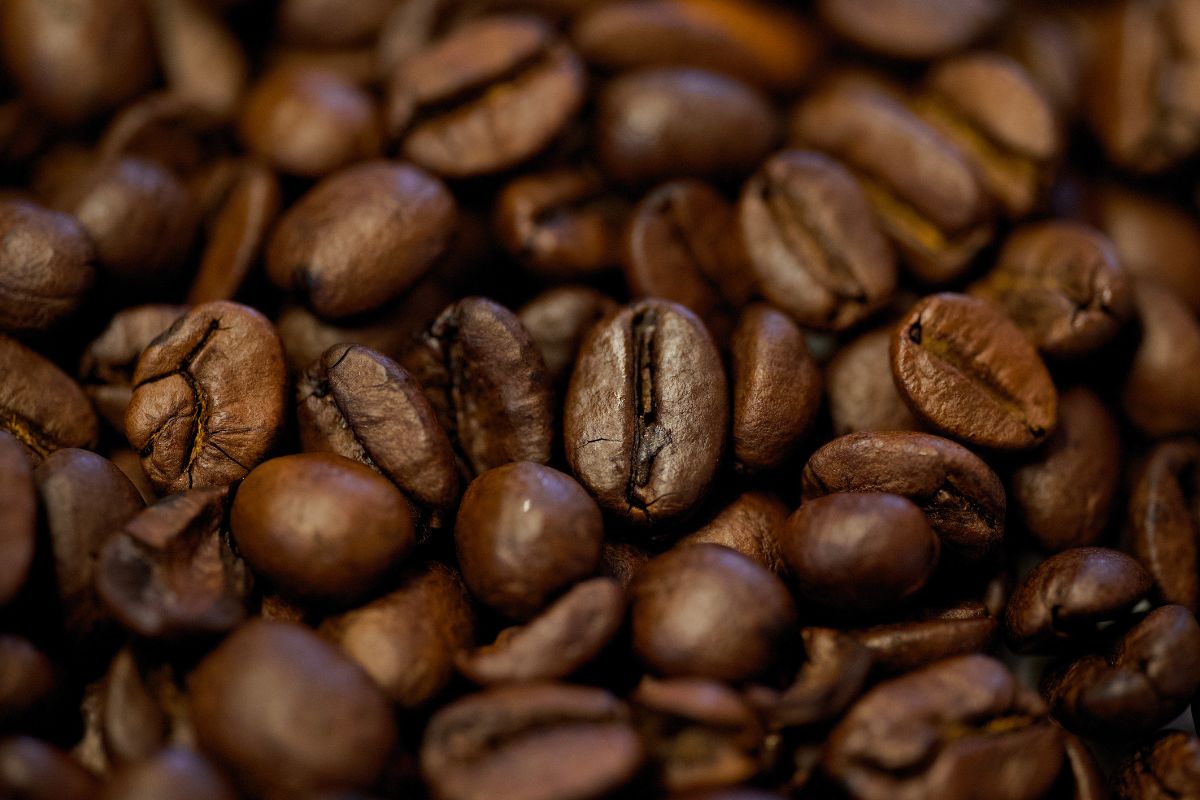
Arabica and Robusta green beans have distinct physical appearances. Arabica beans are oval-shaped with a curved center line (crease) and typically larger than Robusta beans. Robusta beans are rounder with a straighter center line. Experienced buyers can distinguish these species visually, though definitive identification requires laboratory analysis.
Source Verification and Transparency
The most reliable way to ensure genuine 100% Arabica coffee is working with transparent suppliers who provide complete traceability. At Swab Dealers Ltd., we offer full transparency about our coffee’s origin, processing method, and quality specifications. Our direct relationships with farmers in Uganda’s Luwero District enable us to guarantee authenticity and maintain consistent quality standards.
🛡️ Buyer Protection Tips
Always request sample lots before committing to large purchases. Professional cupping evaluation reveals whether coffee truly meets Arabica quality standards.
Reputable suppliers welcome quality verification and provide transparent information about their sourcing and processing practices. At Swab Dealers, we encourage all potential clients to visit our facility in Bombo, meet our farmers, and taste the difference firsthand.
What Are the Best Uses for 100% Arabica Coffee?
Understanding optimal applications for premium Arabica coffee helps businesses maximize their investment and deliver superior products to their customers.
Specialty Coffee Shops and Cafés
Quality-focused coffee shops build their reputations on 100% Arabica espresso and brewed coffee. Single-origin Arabica offerings—particularly from distinctive regions like Uganda—provide menu differentiation and storytelling opportunities that engage customers and justify premium pricing. Our ROASTINO coffee capsules offer the same premium Arabica quality in a convenient format suitable for office and hospitality applications.
Wholesale and Retail Brands
Consumer packaged goods brands targeting quality-conscious buyers position their products as “100% Arabica” to communicate superior quality and justify premium shelf prices. This positioning applies across roasted whole beans, ground coffee, and single-serve formats. Brand builders recognize that Arabica designation creates immediate quality perception and customer trust.
Hotels, Restaurants, and Corporate Settings
Hospitality businesses use premium Arabica coffee to enhance guest experiences and reflect their overall quality standards. A hotel serving quality single-origin Arabica at breakfast creates positive impressions that extend to overall brand perception. Similarly, corporations providing premium Arabica in their offices demonstrate employee appreciation and attention to detail.
🤝 Partner with Swab Dealers
Whether you’re starting a specialty coffee shop, building a retail brand, or upgrading your hotel’s coffee program, we provide technical support, cupping guidance, and customized solutions.
Request a Sample & QuoteWhy Choose Swab Dealers for Your 100% Arabica Coffee?
At Swab Dealers Ltd., we’ve built our business exclusively around premium 100% Arabica coffee sourced directly from Ugandan farmers. Our location in Bombo, Luwero District places us at the heart of one of East Africa’s finest Arabica-growing regions, enabling direct relationships with producers and complete quality control.
Direct Trade and Quality Assurance
Our direct trade model eliminates intermediaries, ensuring farmers receive fair compensation while we maintain strict quality standards. We process all coffee at our facility in Bombo, controlling every step from cherry reception through final packaging. This vertical integration guarantees consistency and quality that commodity coffee chains cannot match.
Product Range for Every Need
We offer 100% Arabica coffee in multiple formats to serve diverse business requirements:
- ROASTINO Coffee Capsules – Premium single-serve convenience for offices and hospitality
- Light Roast Wholesale Beans – Bright, fruity profiles showcasing Uganda’s terroir
- Medium Roast Wholesale Beans – Balanced sweetness and body for versatile applications
- Custom Roast Profiles – Tailored solutions for specific brand requirements
Sustainability and Community Impact
Choosing Swab Dealers’ Arabica coffee supports sustainable agriculture and community development in Uganda. Our direct trade practices ensure farmers receive prices well above commodity markets, enabling investments in their families, farms, and communities. Quality coffee and positive social impact aren’t mutually exclusive—they’re naturally complementary when businesses prioritize ethical sourcing.
Frequently Asked Questions
Conclusion: Arabica Coffee Delivers Superior Value
While 100% Arabica coffee costs more than Robusta or blended alternatives, this premium reflects genuine value across multiple dimensions: superior flavor, healthier composition, stronger brand positioning, and ethical production practices. For businesses serving quality-conscious customers, Arabica’s advantages far outweigh its additional cost.
The question isn’t whether to pay the Arabica premium—it’s whether to accept the compromises and limitations inherent in choosing Robusta. For companies committed to quality, customer satisfaction, and long-term brand building, premium 100% Arabica coffee represents the only viable choice.
Swab Dealers Ltd. stands ready to support your business with exceptional Ugandan Arabica coffee, backed by transparent sourcing, consistent quality, and partnership-focused service. Our commitment to 100% Arabica reflects our belief that quality coffee creates better businesses, satisfied customers, and sustainable communities.
References & Further Reading:
For more information on coffee varieties and quality standards, visit the Coffea arabica Wikipedia page, which provides comprehensive information about Arabica coffee cultivation, chemistry, and global production. Additional resources about coffee species can be found through the Robusta Coffee page.