The Journey from Coffee Tree to Your Cup
Appreciating true Arabica quality means understanding the remarkable journey from farm to cup. This process, involving skilled farmers, careful processing, and expert roasting, determines whether a raw green bean delivers an exceptional experience or falls entirely short of its potential.
Cultivation and Harvesting
The Coffea arabica plant thrives in highly specific conditions that ultimately shape its final bean quality:
- Altitude Requirements: Arabica grows best at 1,200-2,200 meters elevation. The cooler temperatures slow cherry maturation, allowing complex cellular sugars to fully develop.
- Climate Needs: Consistent rainfall, moderate temperatures (15-24°C), and well-defined wet and dry seasons create the ideal agricultural conditions.
- Shade Growing: Many premium Arabica varieties grow under native canopy trees, which protects the fragile plants while naturally supporting local biodiversity.
- Selective Harvesting: Hand-picking only crimson, perfectly ripe cherries ensures uniform sweetness. Mechanical harvesting simply can’t match this level of selectivity.
Processing Methods
Post-harvest processing dramatically influences the final flavor profile. If you are evaluating green coffee beans for wholesale, knowing the difference is critical:
- Washed (Wet) Processing: Removes the sticky fruit before drying. This creates clean, bright coffees that clearly highlight the bean’s origin characteristics and natural acidity.
- Natural (Dry) Processing: Dries the whole cherry intact, producing deeply fruity, wine-like flavors with a heavier body and rampant sweetness.
- Honey Processing: Removes the outer skin but leaves the sticky mucilage on during drying, perfectly balancing washed clarity with natural sweetness.
Roasting: Where Magic Happens
Expert roasting is the final transformation. Knowing your preference between light, medium, and dark roasts is the key to unlocking the flavor you want:
- Light Roasts: Preserve origin characteristics, showcasing bright acidity and floral notes. Ideal for pour-over and delicate filter brewing.
- Medium Roasts: Balance farm origin flavors with a caramelized roast development. These are incredibly versatile profiles suitable for multiple brewing methods.
- Medium-Dark Roasts: Develop deep chocolate and caramel notes while maintaining just enough origin character. This is the sweet spot for a well-rounded espresso.
- Dark Roasts: Emphasize deep roast flavors (cocoa, toasted nuts, smoke) over origin, sacrificing acidity to create a bold, traditional cup.
Storage and Freshness: Preserving Quality
Even the most expensive, highly-rated beans will lose their quality rapidly without proper storage. Protecting your beans from their four worst enemies—oxygen, light, heat, and moisture—will preserve the nuanced flavors you paid a premium for. For a deeper dive, read our guide on how to store coffee for maximum freshness.
Optimal Storage Practices
- Airtight Containers: Store your beans in opaque, vacuum-sealed canisters (or leave them in premium valved bags) to release CO2 while blocking oxygen.
- Cool, Dark Location: Keep your stash in a pantry or cupboard permanently away from oven heat sources or direct sunlight.
- Avoid Refrigeration: Cold storage causes rapid condensation when opened and quickly absorbs food odors. Room temperature is ideal.
Recognizing Stale Coffee
Quality deteriorates over time. Telltale signs your beans have passed their prime include:
- A weak, uninspiring aroma when the bag is first opened.
- A flat, one-dimensional taste lacking any real complexity.
- An excessively oily surface on light or medium roasts (which is a strong indicator of aging).
- Papery or cardboard-like taste notes on the finish.
☕ Why ROASTINO Delivers Freshness
We source and roast our premium Uganda-grown Arabica beans to order, ensuring you receive bulk supply at absolute peak freshness. Our heavy-duty, valve-sealed packaging protects the delicate beans from the moment they leave our roasting facility until they hit your grinder.
Every bag features an exact roast date—no deceptive “best by” timelines. This wholesale commitment to transparency guarantees you are brewing the absolute best Arabica possible.
Brewing Methods: Matching Best Arabica Coffee to Technique
Different brewing methods extract drastically different characteristics from the same beans. Understanding which flavor profiles suit each specific technique helps you maximize your coffee’s potential.
Espresso: Intensity and Complexity
Great espresso demands specific characteristics to punch through milk or stand beautifully on its own. Key factors include:
- Recommended Origins: Brazil, Colombia, Uganda, and Honduras provide the necessary chocolate sweetness and balanced acidity.
- Roast Preference: Medium to medium-dark to build flavor complexity with adequate syrupy body.
- Grind Setting: Very fine, somewhat similar to table salt. Adjust based on extraction time (aiming for 25-30 seconds).
Pour Over: Clarity and Nuance
When executing a slow, manual pour-over, clarity is the ultimate goal:
- Best Origins: Ethiopia, Kenya, Uganda, and Guatemala shine through with bright acidity.
- Roast Preference: Light to medium roasts that rigorously preserve origin nuances.
- Flavor Notes: Expect delicate floral, bright fruity, and tea-like qualities to dominate the cup.
French Press: Body and Richness
- Grind Size: Very coarse (like rough breadcrumbs) to prevent sediment from slipping through the wire mesh.
- Best Beans: Medium to dark roasts with a robust, full body—such as Indonesian, Brazilian, or Ugandan Arabica.
- Ratio: 1:15 coffee to water (e.g., 30g coffee to 450ml water) steeped for exactly 4 minutes.
Coffee Talk: Common Myths Debunked
In industry circles and casual coffee shop chatter, several stubborn myths persist about Arabica. Let’s clarify the facts:
Myth 1: Dark Roasts Have More Caffeine
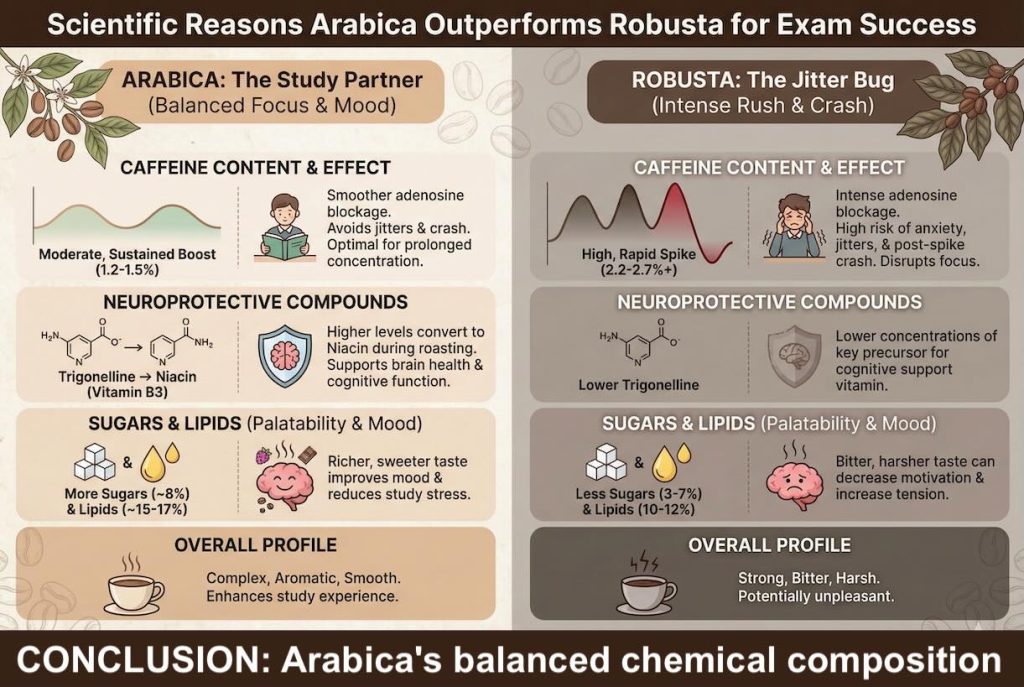
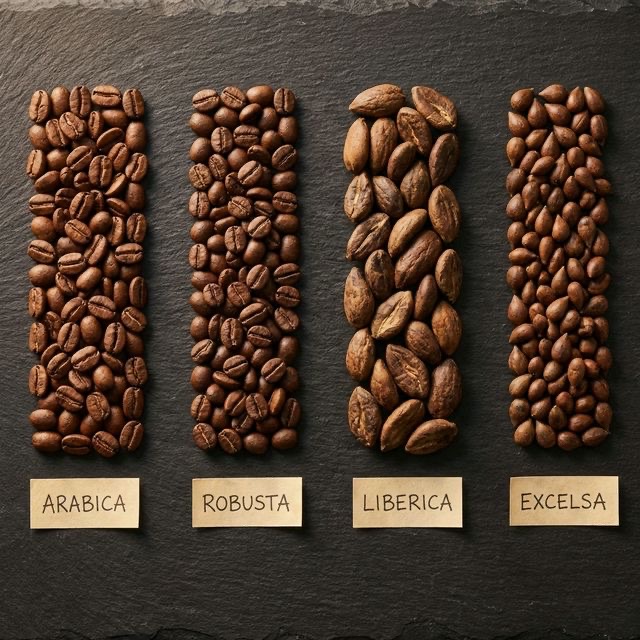
Reality: Light roasts actually contain slightly more caffeine by volume because prolonged roasting heat burns off caffeine compounds. However, the difference per cup is surprisingly minimal. If you are specifically chasing a major caffeine boost, understanding Robusta vs. Arabica is key—Robusta contains nearly double the caffeine content.
Myth 2: Oily Beans Mean Fresh Coffee
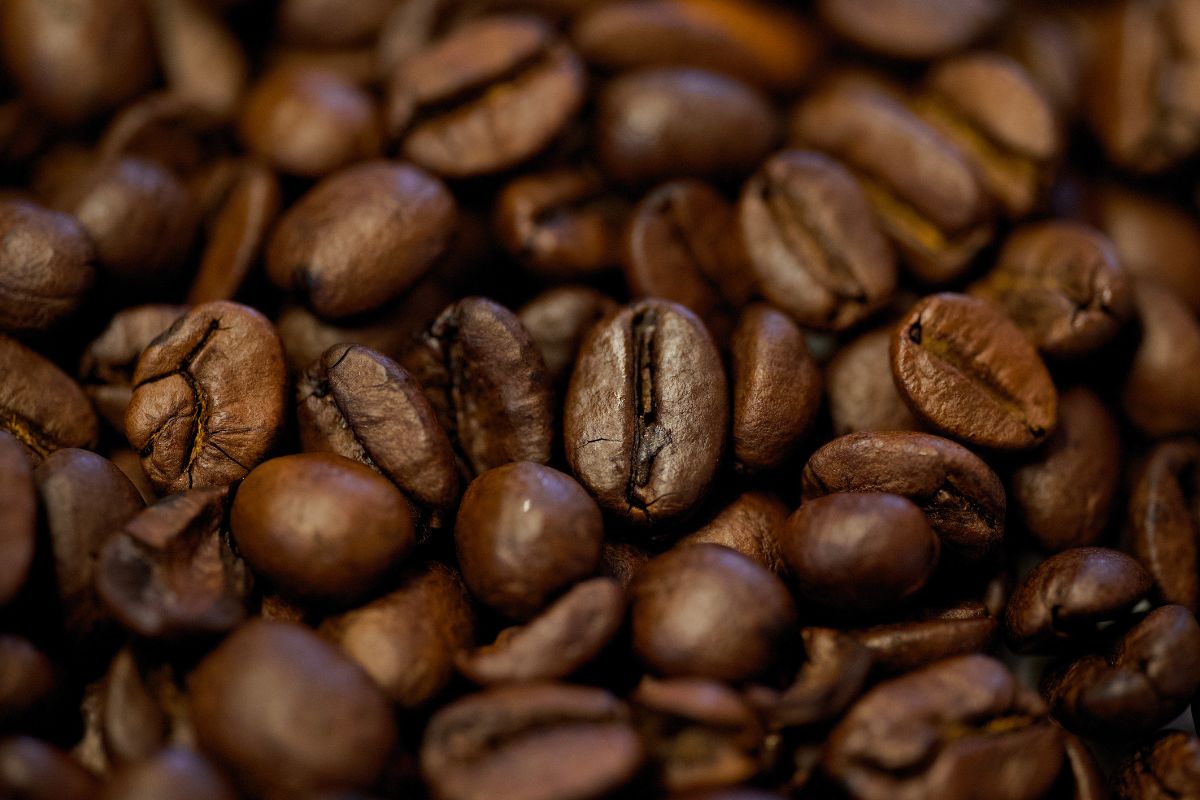
Reality: Oil sitting on the surface of a bean indicates a very dark roasting process or significant aging. Fresh light-to-medium roasts should practically never show surface oils. Even for dark roasts, excessive oil pooling on the bean weeks after roasting suggests staleness.
Myth 3: Expensive Always Means Better
Reality: Retail price often reflects heavy marketing, elaborate import logistics, and branding. Some truly delicious, 85+ SCA-scored coffees come from emerging origins like Uganda at highly competitive prices. Focus squarely on the roast date, origin transparency, and your own palate.
Myth 4: All Arabica Tastes the Same
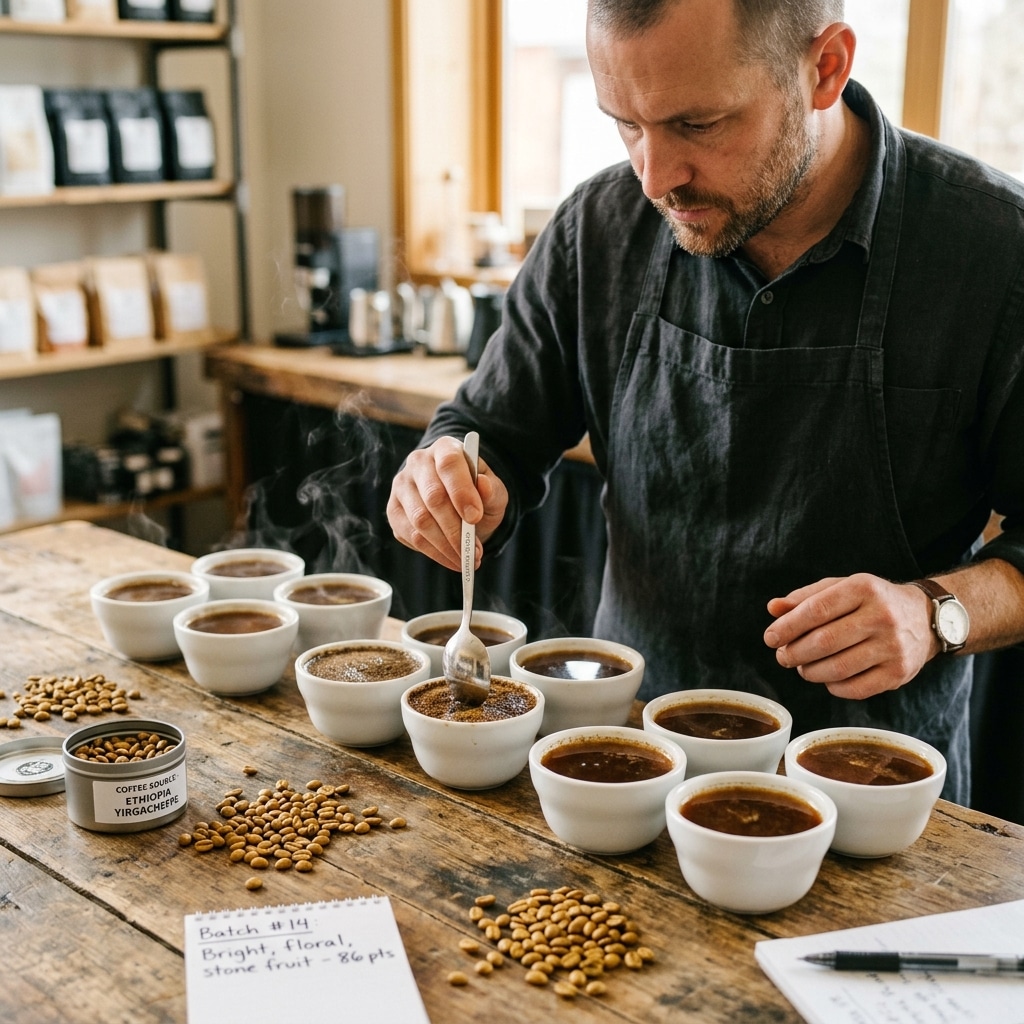
Reality: Not even close. Ethiopian Arabica tastes dramatically different from Ugandan or Colombian Arabica. Micro-climates, soil density, processing techniques, and roasting strategies create staggering flavor diversity—from the blueberry-forward naturals of Yirgacheffe to the rich cocoa notes of Mount Elgon.
☕ Ready to Experience Exceptional Arabica?
Discover ROASTINO’s premium single-origin Arabica coffee sourced from Uganda’s pristine volcanic highlands. Built perfectly for demanding espresso setups, clean pour-overs, and any brewing method you love.
Shop Premium Coffee NowFrequently Asked Questions
Conclusion: Your Journey to Better Coffee
Finding your perfect bag of coffee transforms from an overwhelming aisle scan into an exciting science once you understand what makes these particular beans exceptional. Whether you are meticulously dialing in espresso shots at a cafe or exploring sweet, chocolatey flavor profiles at home, the principles of greatness remain consistent: seek freshly roasted, transparently sourced supply from reputable farms.
Remember that the absolute best beans for a dark, syrupy espresso might differ from your ideal pour-over selection. Do not hesitate to experiment wildly with different high-altitude origins, roast progressions, and brewing parameters until you lock in exactly what delights your palate.