Single-Origin Uganda Coffee: Why It Matters for Wholesalers, Cafés, and Importers
Single-origin Uganda coffee matters because business buyers need more than good taste. Wholesalers, cafés, hotels, distributors, private label brands, and importers need traceability, consistent cup profile, reliable supply, and a clear product story they can sell to customers.
For many coffee businesses, the challenge is not simply finding coffee. The real challenge is finding coffee that is clear in origin, stable in quality, suitable for the target market, and easy to position commercially. A café needs coffee that performs well in espresso and keeps customers returning. A wholesaler needs stock that can move across different buyer types. An importer needs documents, packaging, traceability, and supplier reliability. A private label brand needs consistency and a story that feels authentic.
This is where single-origin Uganda Arabica coffee can offer practical value. It gives B2B coffee buyers a defined origin, a more transparent sourcing message, and a flexible product base for roasted beans, ground coffee, coffee capsules, HoReCa supply, and private label coffee.
Simple Definition: What Is Single-Origin Uganda Coffee?
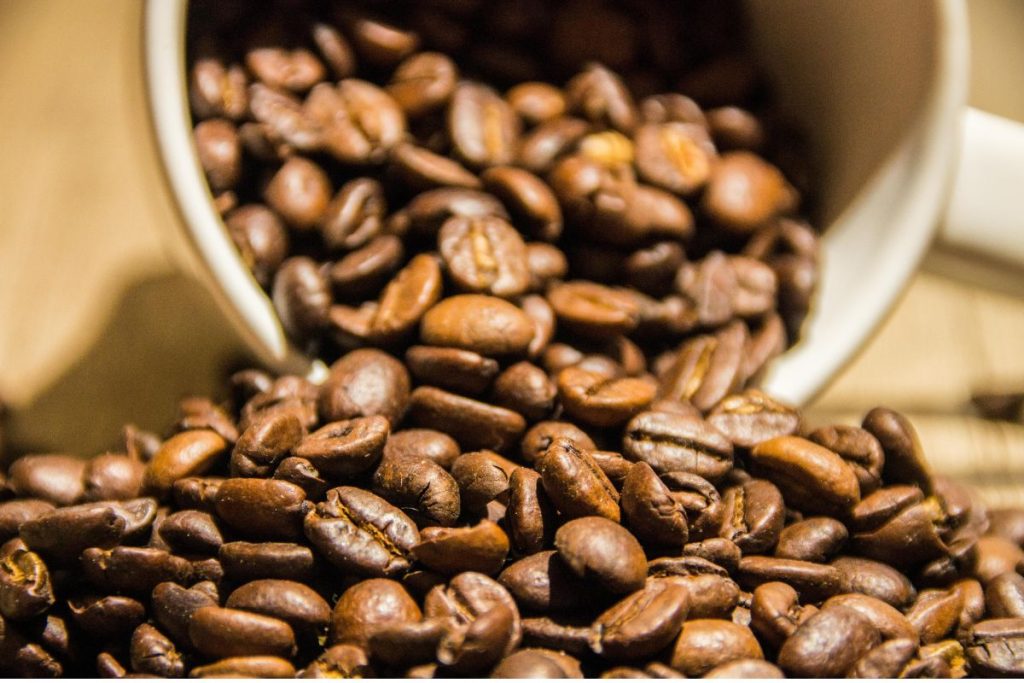
Single-origin Uganda coffee means coffee sourced from one country of origin: Uganda. In B2B terms, it allows buyers to market the coffee with a clear origin identity instead of selling it as a general blend with unknown or mixed sources.
Single-origin does not automatically mean every coffee is specialty grade, and it does not guarantee quality by itself. Quality still depends on farming, harvesting, processing, sorting, roasting, packaging, storage, and supply control. However, single-origin coffee gives buyers a stronger foundation for traceability, storytelling, cup profile selection, and customer education.
Quick Answer
Single-origin Uganda coffee helps wholesalers, cafés, and importers because it combines origin traceability, clear product positioning, and a practical African coffee story. It can be supplied as roasted beans, ground coffee, capsules, or private label coffee depending on the buyer’s market.
For cafés, it gives baristas a clear origin story and a cup profile they can explain to customers. For wholesalers and distributors, it creates a product line that can be sold to cafés, hotels, restaurants, supermarkets, and specialty buyers. For importers, it supports direct trade coffee sourcing, supplier communication, and better control over packaging, roast level, and product format.
Why Single-Origin Matters for Coffee Businesses
Many coffee blogs talk about single-origin coffee as if it is only about taste. For B2B buyers, the topic is wider. Single-origin coffee affects branding, pricing, sourcing confidence, product training, and customer trust.
A café can use single-origin Uganda Arabica coffee to offer something more specific than “house coffee.” A wholesaler can use it to build a differentiated African coffee supplier category. An importer can use it to communicate origin, quality expectations, and traceability to local distributors. A private label brand can use it to create a cleaner product story on packaging.
Single-Origin vs Blended Coffee for B2B Buyers
| Point | Single-Origin Uganda Coffee | Blended Coffee |
|---|---|---|
| Origin identity | Clear country origin and easier storytelling. | May include coffee from several origins. |
| Customer education | Good for cafés, specialty buyers, and premium retail shelves. | Easier for general house coffee with less origin focus. |
| Consistency | Depends on supplier control, roast profile, and batch management. | Can be adjusted through blending to maintain a target flavor. |
| Brand positioning | Useful for direct trade, ethical sourcing, and specialty coffee from Uganda. | Useful for price-driven or classic flavor profiles. |
| Best use | Cafés, private label brands, importers, specialty retail, HoReCa differentiation. | High-volume commercial use, standard espresso blends, cost-controlled programs. |
Why Uganda Arabica Coffee Has B2B Potential
Uganda is widely known as one of Africa’s important coffee-producing countries. While Uganda is especially recognized for Robusta, the country also produces Arabica coffee. For buyers looking for African coffee beyond the most common origins, Uganda Arabica coffee can offer a valuable product opportunity.
For wholesalers and distributors, Uganda coffee can help diversify a product range. For cafés, it gives customers a new origin to discover. For importers, it can open a more direct sourcing conversation with a Ugandan coffee supplier, especially when the supplier can support roasted coffee wholesale, bulk Uganda coffee beans, ground coffee, coffee capsules, and private label coffee.
Instead of competing only on price, businesses can position single-origin Uganda coffee around origin traceability, direct trade coffee, freshness, roast level selection, and reliable supply for cafés and hotels.
Best Choice by Business Type
| Business Type | Why Single-Origin Uganda Coffee Matters | Recommended Product Direction |
|---|---|---|
| Cafés | Creates a clear origin story and helps baristas explain flavor and roast level. | Whole roasted beans, medium roast, light roast for filter or specialty menus. |
| Hotels | Adds a premium origin option for breakfast, rooms, and hospitality service. | Ground coffee, capsules, medium roast, HoReCa packs. |
| Restaurants | Supports reliable after-meal coffee with a more interesting origin identity. | Medium or dark roast, ground coffee, practical service packs. |
| Wholesalers | Creates a stronger product story for cafés, supermarkets, and hospitality buyers. | Wholesale roasted coffee beans, ground coffee 250g, capsules. |
| Distributors | Helps build a differentiated African coffee supplier portfolio. | Bulk cartons, private label coffee, repeat-order SKUs. |
| Importers | Supports traceability, supplier communication, documentation, and market positioning. | Bulk Uganda coffee, roasted coffee wholesale, private label options. |
| Private label brands | Gives packaging a stronger origin message and clearer product identity. | Branded roasted beans, ground coffee, capsules. |
How Cafés Can Use Single-Origin Uganda Coffee
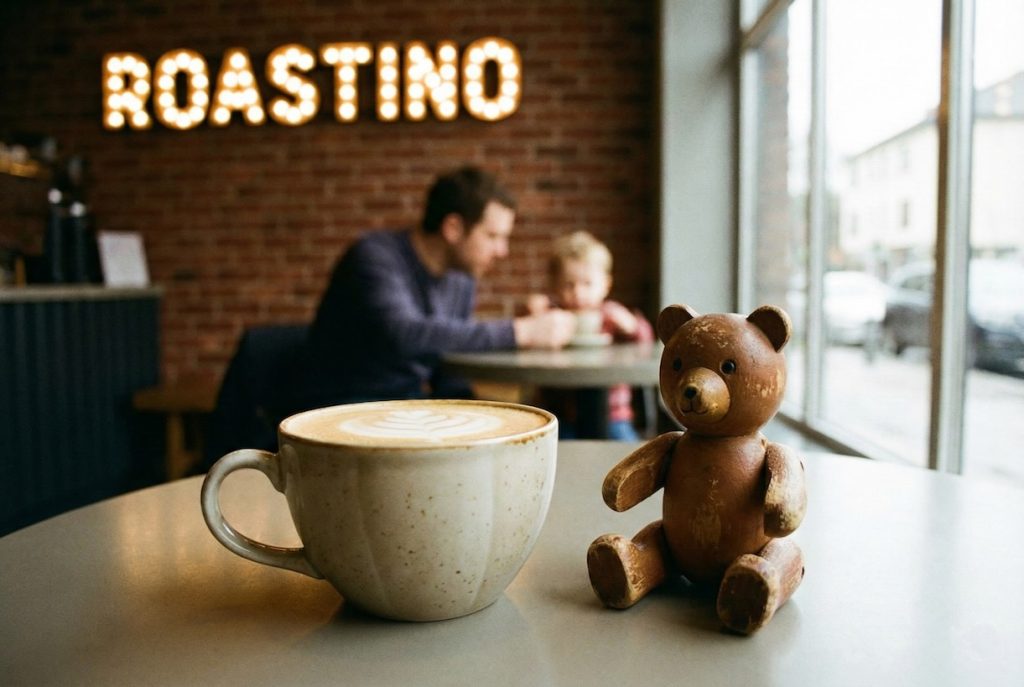
Cafés can use single-origin Uganda coffee in several ways. It can be a signature espresso, a rotating origin, a filter coffee option, or a premium retail bag on the shelf. The right choice depends on customer taste, brewing method, and daily volume.
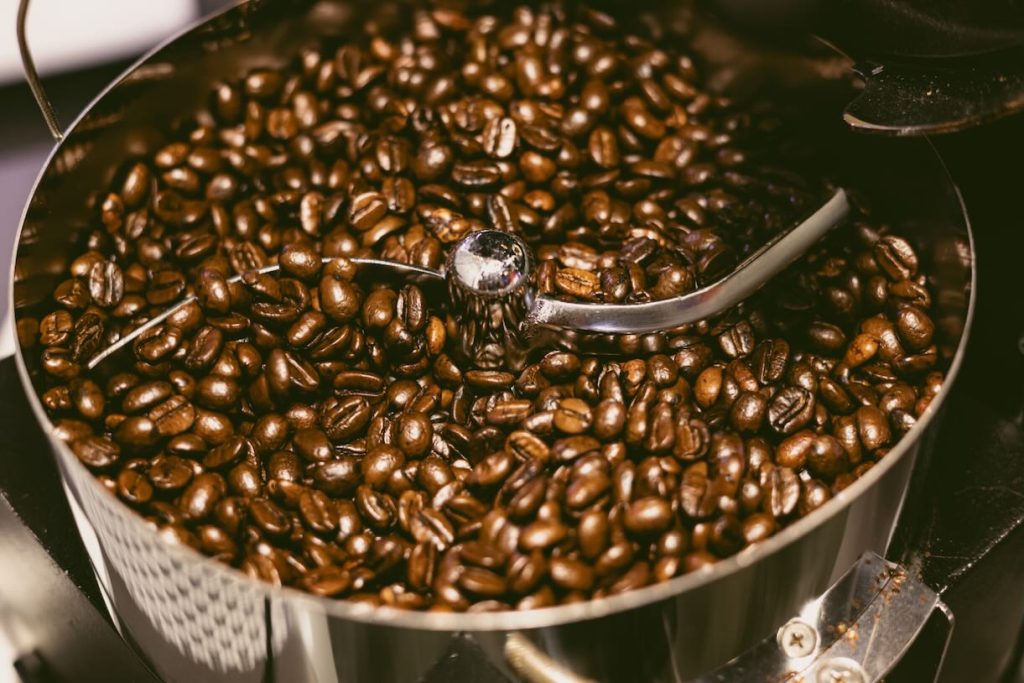
Many cafés choose roast levels based on their main brewing method. A light roast can highlight brightness and origin character, but it may require more careful brewing. A medium roast can offer balance and wider customer acceptance. A dark roast can suit customers who prefer a stronger, heavier cup, especially in milk-based drinks or after-meal coffee service.
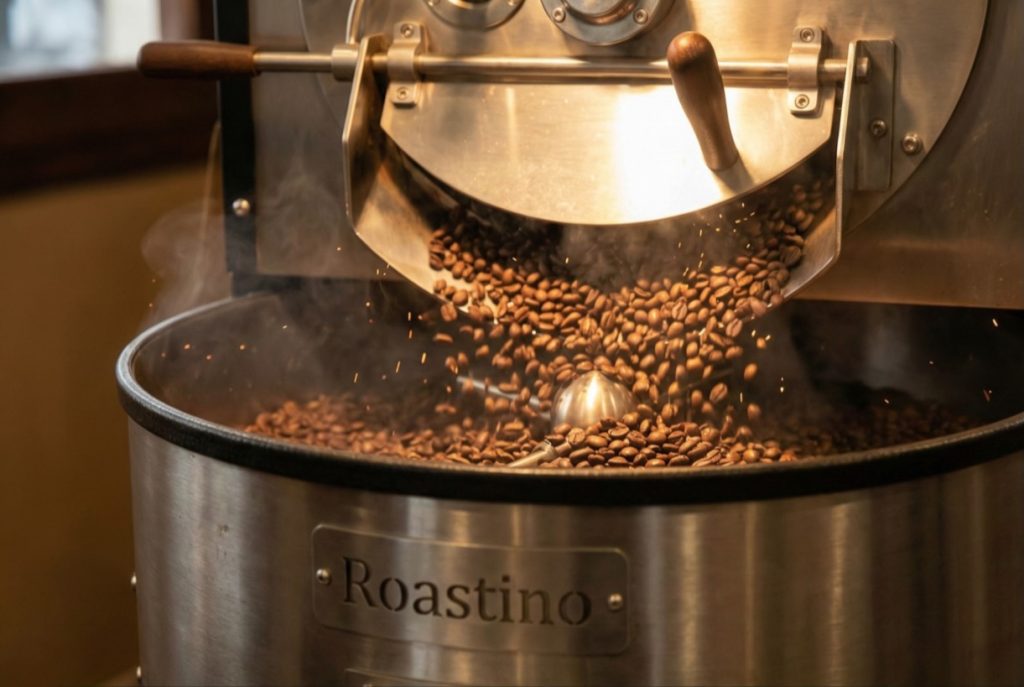
For cafés that want to test ROASTINO Uganda Arabica coffee, it is useful to compare ROASTINO Light Roast Arabica Coffee, ROASTINO Medium Roast Arabica Coffee, and ROASTINO Dark Roast Arabica Coffee through cupping and espresso testing before choosing the main house profile.
How Wholesalers and Distributors Can Sell It Better
Wholesalers and distributors need coffee that is easy to explain and easy to reorder. Single-origin Uganda coffee can help because the origin itself becomes part of the sales message. Instead of offering only “Arabica coffee,” the distributor can offer single-origin Uganda Arabica coffee with specific roast levels, packaging formats, and customer applications.
A good distributor strategy is to build a simple product range: one light roast for specialty-focused cafés, one medium roast for wider HoReCa use, one dark roast for stronger taste preferences, and one ground coffee or capsule option for hotels and offices. This keeps the range easy to manage while still giving customers choice.
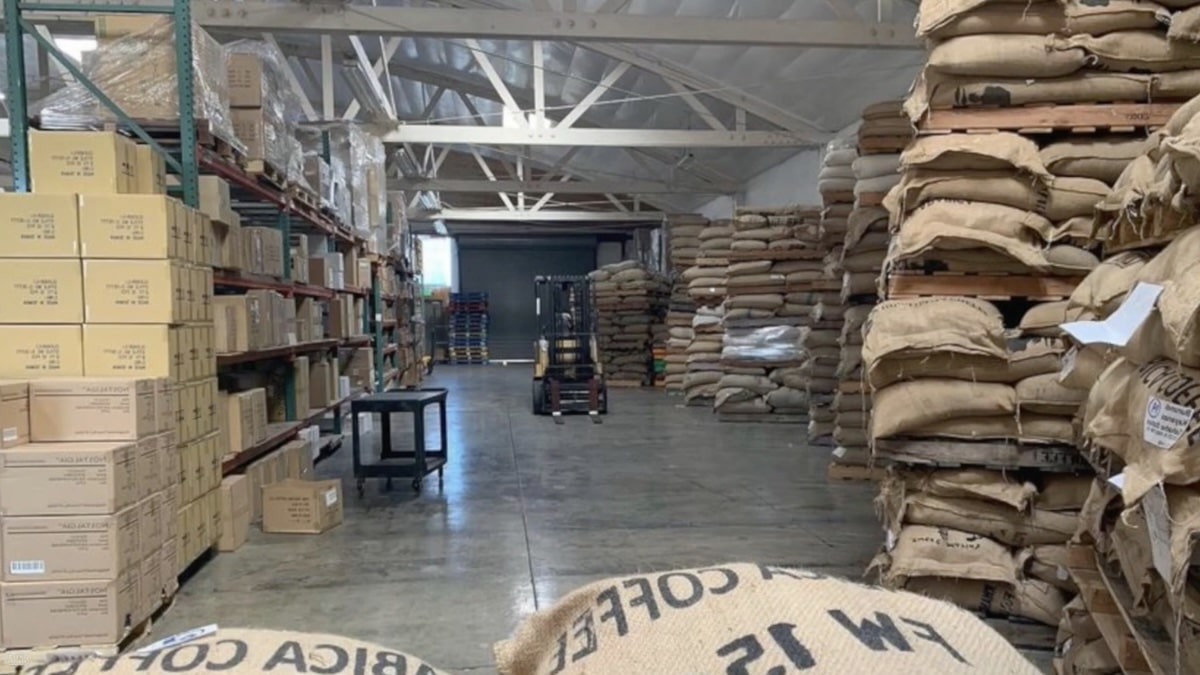
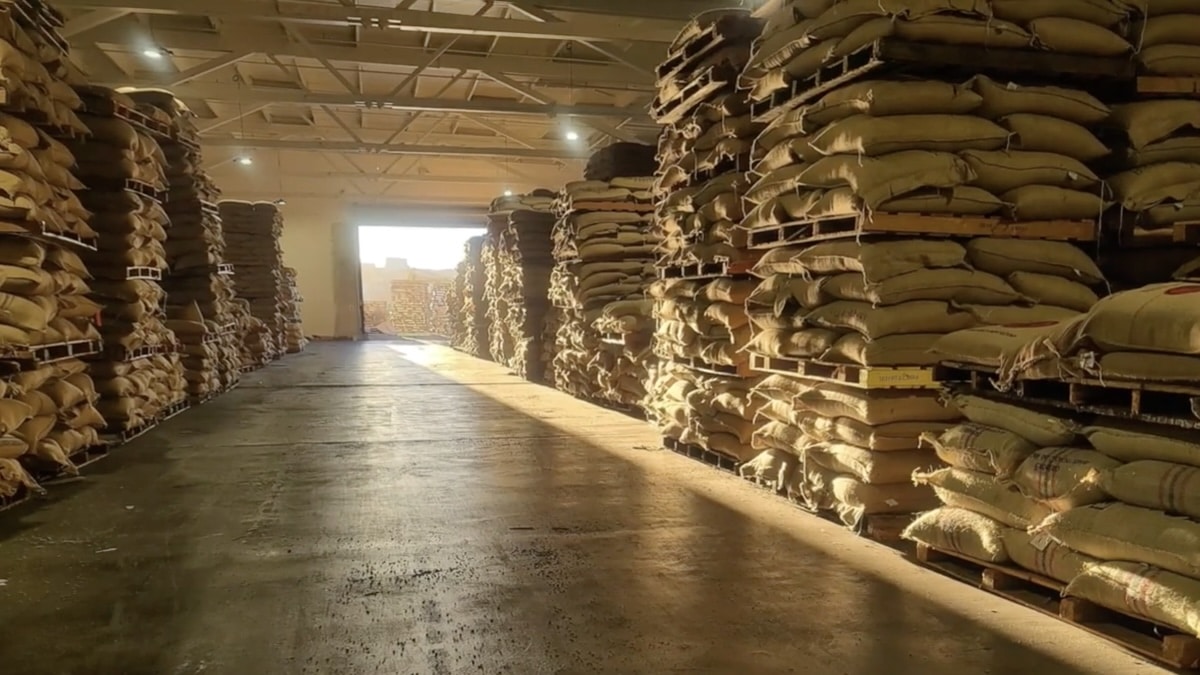
Wholesalers should also pay attention to carton handling, shelf life, stock rotation, and batch numbers. Even strong coffee can lose commercial value if cartons are damaged, old stock is mixed with new stock, or products are stored in poor warehouse conditions.
What Importers Should Check Before Buying
Importers should check origin traceability, supplier reliability, roast level, packaging, shelf life, batch control, export readiness, and whether the coffee can be supplied consistently in the required format.
Importers should not treat single-origin coffee as a simple label claim. They should ask practical questions before buying. Is the coffee roasted or green? Is it whole bean, ground, or capsule? What is the MOQ? What packaging sizes are available? Can the supplier support private label coffee? Are documents, batch details, and product specifications available? Is the supplier able to repeat the same quality for future orders?
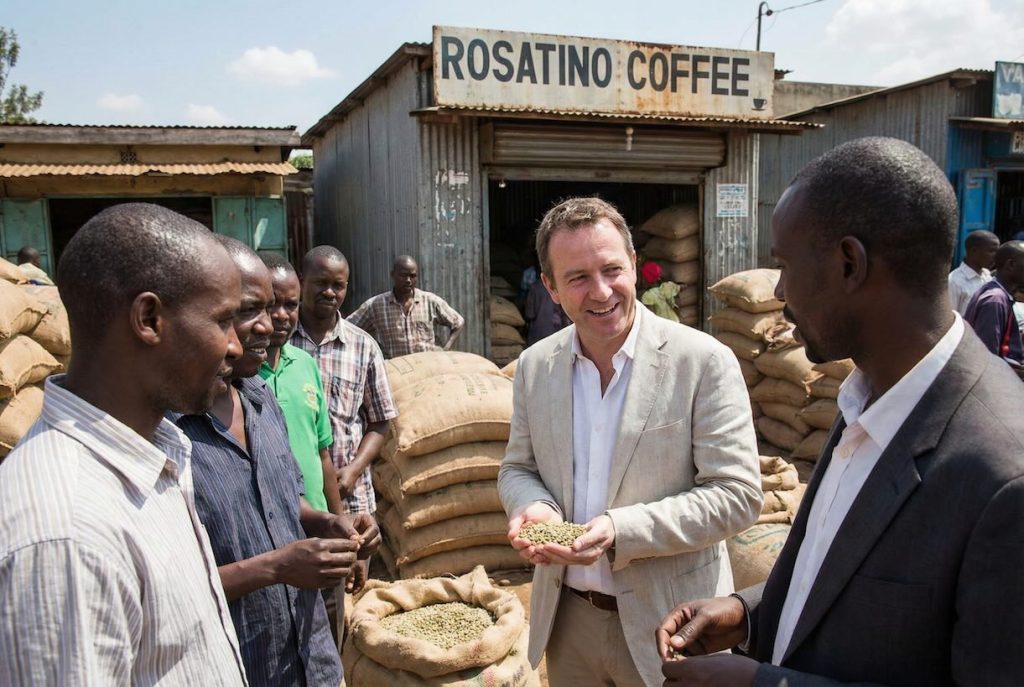
For international buyers, direct communication with a Uganda-based coffee supplier can reduce confusion. It helps clarify product format, shipping expectations, export documents, packaging, and customer positioning before the first order is placed.
Practical Buyer Insights Competitor Blogs Often Miss
1. Origin Story Is Useful Only If Quality Is Repeatable
A beautiful origin story does not replace cup consistency. Coffee buyers usually compare aroma, acidity, body, aftertaste, defects, roast behavior, and customer acceptance. The supplier should be able to support repeat orders, not only a good first sample.
2. Roast Level Should Match the Market
A specialty café and a hotel breakfast buffet may not need the same roast. Professional buyers should test coffee according to real use: espresso, milk drinks, filter coffee, capsules, buffet service, retail shelves, or private label sales.
3. Packaging Can Protect or Destroy the Product
Packaging is not only decoration. It affects freshness, handling, storage, and customer perception. Importers and wholesalers should check bag size, carton strength, valve packaging where relevant, label information, batch coding, and storage instructions.
4. Single-Origin Coffee Needs Staff Training
If café staff cannot explain the origin, the business loses part of the value. Simple training points are enough: country of origin, roast level, taste direction, brewing use, and why the coffee is different from a generic blend.
5. Private Label Buyers Need More Than a Logo
Private label coffee needs consistent sourcing, packaging control, clear product positioning, and a supplier who can support repeat production. A single-origin Uganda coffee line can be positioned for retail, specialty cafés, hotels, or distributors depending on packaging and roast choice.
Common Mistakes to Avoid
- Buying single-origin coffee only because it sounds premium, without testing the cup profile.
- Choosing a roast level based on personal taste instead of customer demand.
- Ignoring packaging, shelf life, and storage conditions.
- Ordering too many slow-moving SKUs at the beginning.
- Mixing old and new batches in the warehouse without FIFO control.
- Not asking for product specifications, batch details, or available documents.
- Selling single-origin coffee without training the sales team or café staff.
- Using the same product for cafés, hotels, capsules, and retail without checking suitability.
What to Check Before Buying Single-Origin Uganda Coffee
Before buying single-origin Uganda coffee, B2B buyers should check cup profile, roast level, packaging size, shelf life, MOQ, batch traceability, supplier capacity, product format, private label options, and export readiness. These points are more important than choosing by price alone.
- For cafés: Test espresso performance, milk drink balance, aroma, crema, and customer preference.
- For hotels: Check consistency, capsule options, portion control, breakfast service, and clean handling.
- For restaurants: Choose coffee that is easy to prepare and pairs well with desserts or after-meal service.
- For wholesalers: Check carton handling, shelf life, fast-moving SKUs, and repeat order planning.
- For distributors: Ask about product range, storage conditions, batch control, and market demand.
- For importers: Confirm documents, logistics, packaging, MOQ, traceability, and supplier reliability.
- For private label brands: Check packaging flexibility, label design requirements, and consistency across batches.
Recommended Sourcing Strategy
The best strategy is to start with a controlled product range, test the coffee with real users, and expand based on demand. A distributor may begin with medium roast whole beans and ground coffee, then add dark roast, capsules, or private label once the market response is clear. A café may test light, medium, and dark roast before choosing the main espresso profile. An importer may start with one or two practical SKUs before building a larger wholesale Uganda coffee program.
Buyers can explore bulk Uganda coffee for wholesalers, review the full ROASTINO coffee product range, or test roast options through the coffee roasting and grinding simulator. For pricing, product formats, private label coffee, or HoReCa coffee supply, buyers can use the Request a Quote page or contact Swab Dealers directly through the Contact page.
FAQ
Is single-origin Uganda coffee better than blended coffee?
Not always. Single-origin Uganda coffee is better when buyers need traceability, origin identity, and a clear product story. Blended coffee may be better when the goal is a fixed flavor profile or lower-cost commercial supply. The right choice depends on the customer, market, and brewing method.
Who should buy single-origin Uganda Arabica coffee?
It is suitable for cafés, specialty coffee buyers, hotels, wholesalers, distributors, importers, private label coffee brands, and hospitality buyers who want a clear African origin coffee with practical B2B supply options.
Which roast level is best for cafés?
Many cafés start with medium roast because it is balanced and easier for a wide customer base. Light roast may suit filter coffee and specialty menus, while dark roast may suit customers who prefer stronger flavor or milk-based drinks.
Can single-origin Uganda coffee be used for private label?
Yes. Single-origin Uganda coffee can be a strong base for private label coffee because it gives the brand a clear origin identity. Buyers should confirm packaging options, MOQ, label requirements, batch consistency, and product format before ordering.
Is Uganda coffee suitable for hotels and HoReCa buyers?
Yes, depending on the roast and product format. Hotels may prefer capsules, ground coffee, or medium roast beans for breakfast and room service. HoReCa buyers should focus on consistency, easy preparation, portion control, and clean storage.
What should importers ask before buying Uganda coffee?
Importers should ask about origin, product specifications, roast level, packaging, shelf life, MOQ, batch traceability, available documents, logistics, and repeat-order capacity. They should also test samples before committing to larger orders.
About Swab Dealers / ROASTINO
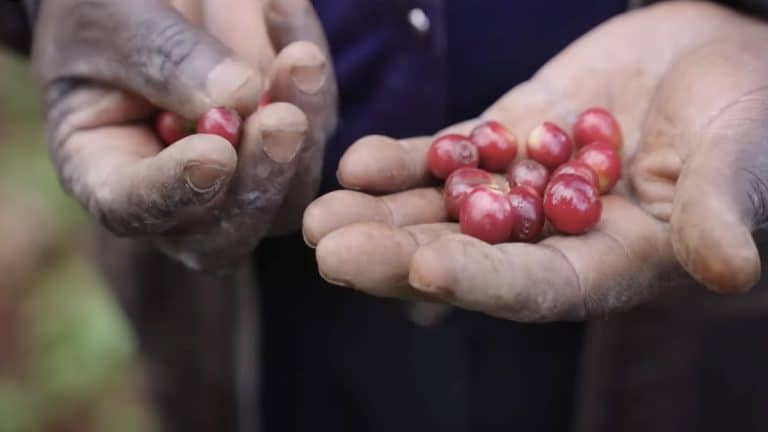
Swab Dealers Ltd. is a Uganda-based coffee producer and B2B supplier located in Bombo, Luwero District. The company supplies ROASTINO 100% Arabica coffee through a direct farm-to-roaster model, supporting ethical trade, origin traceability, and consistent quality.
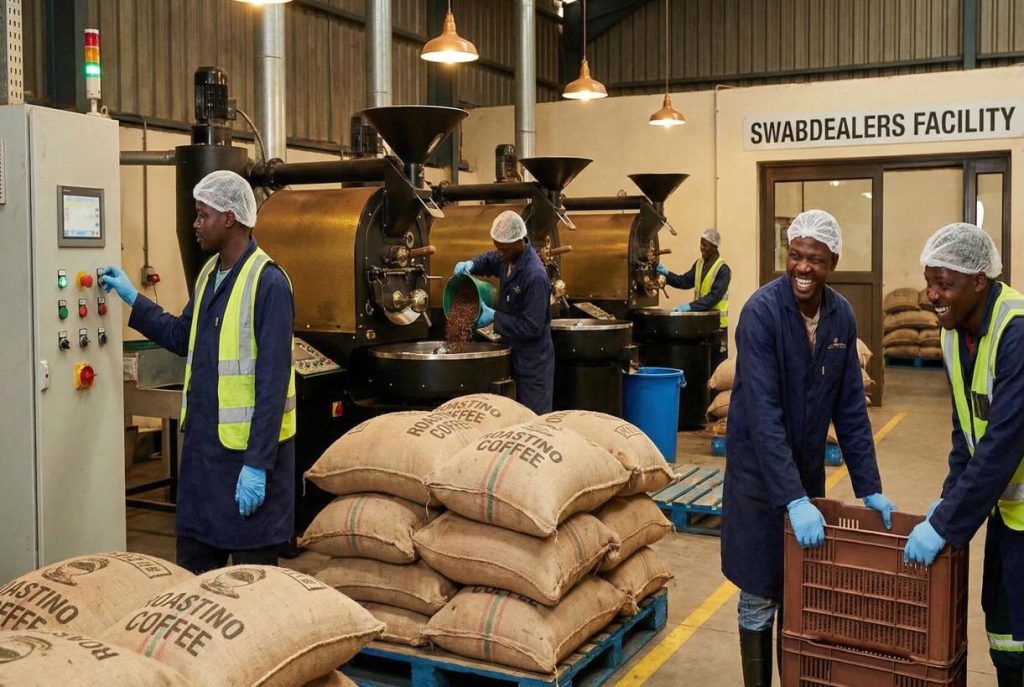
Swab Dealers processes, roasts, and packages coffee in its own facility, offering bulk roasted coffee, ground coffee, coffee capsules, and wholesale coffee solutions for cafés, hotels, distributors, importers, and hospitality buyers.
For wholesale Uganda coffee, private label coffee, coffee for cafés and hotels, or direct trade coffee supply, visit the Request a Quote page or contact the team through the Contact page.
Conclusion
Single-origin Uganda coffee matters because it gives business buyers a clear origin, stronger product positioning, and better traceability. For wholesalers, cafés, and importers, it can support better storytelling, better sourcing control, and better customer trust.
The key is to buy single-origin coffee professionally. Test the cup profile, choose the right roast level, check packaging, confirm supplier capacity, and match the product to your real customer base. For cafés, it can become a signature coffee. For wholesalers and distributors, it can become a differentiated product line. For importers and private label brands, it can become a reliable origin-based coffee offer.
ROASTINO Uganda Arabica coffee is positioned for B2B buyers who need wholesale roasted coffee beans, ground coffee, coffee capsules, private label coffee, and direct-origin coffee supply from Uganda.