Cold Brew Coffee Beans: A Wholesale Sourcing Guide for Maximum Flavor and Profit
I remember the first time a café client called asking specifically for cold brew coffee beans. It was 2019, and cold brew had just stopped being a “trend” and started being a permanent menu category. Today, cold brew accounts for 25–30% of specialty café revenue during warm months — and it’s growing year-round. If you’re not sourcing beans specifically suited for cold extraction, you’re serving a compromise product when your customers are expecting something exceptional.
The truth is, not every coffee makes good cold brew. Cold water extraction is a completely different process than hot brewing, and it extracts different compounds in different proportions. The beans that make an outstanding espresso might produce flat, one-dimensional cold brew. Let me walk you through what actually works — and why it matters for your business.
Why Cold Brew Needs Different Beans
Hot water is aggressive. It extracts a wide range of compounds quickly — acids, sugars, oils, bitters. Cold water is gentle and selective. Over 12–24 hours of immersion, it primarily extracts sugars, smooth chocolatey compounds, and lower-molecular-weight acids while leaving behind much of the bitterness and harsh acidity.
This means:
- Beans with pronounced acidity (like many Kenyan or Ethiopian coffees) often taste flat as cold brew because the cold water doesn’t extract their best qualities.
- Beans with natural sweetness and chocolate character shine in cold extraction because those compounds dissolve well at low temperatures.
- Body matters differently: Cold brew relies on immersion time rather than pressure, so you need beans that produce a full-bodied concentrate without becoming over-extracted.
The Best Bean Characteristics for Cold Brew
| Characteristic | Why It Matters | Best Choice |
|---|---|---|
| Origin Profile | Need low acidity, high sweetness | Uganda, Brazil, Guatemala, Sumatra |
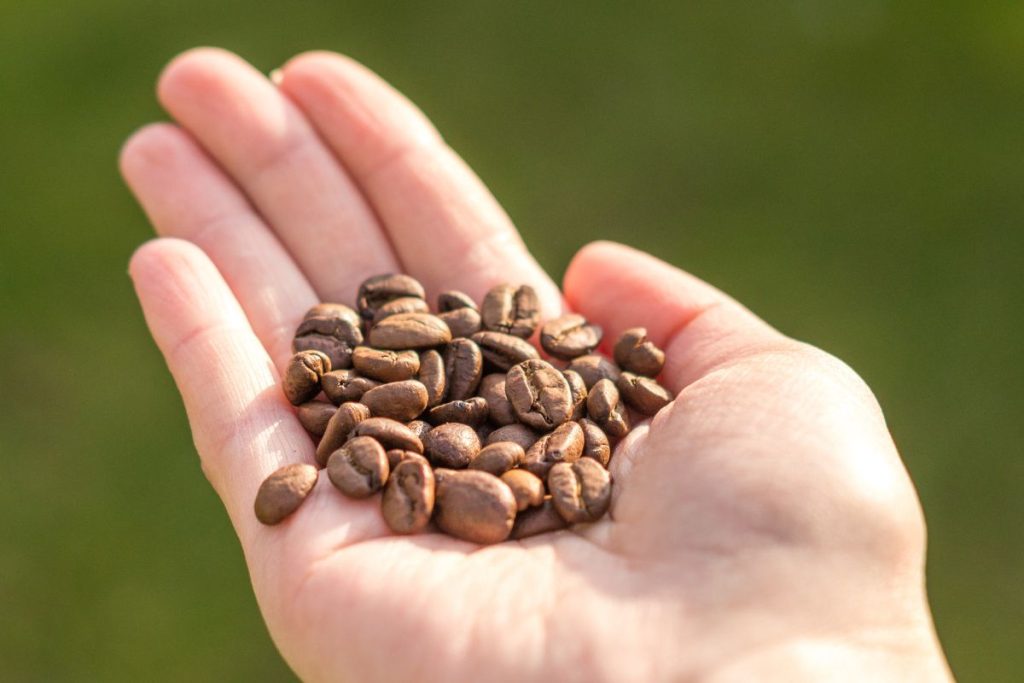
| Roast Level | Medium-dark develops chocolate/caramel notes | Medium to medium-dark (City+ to Full City) |
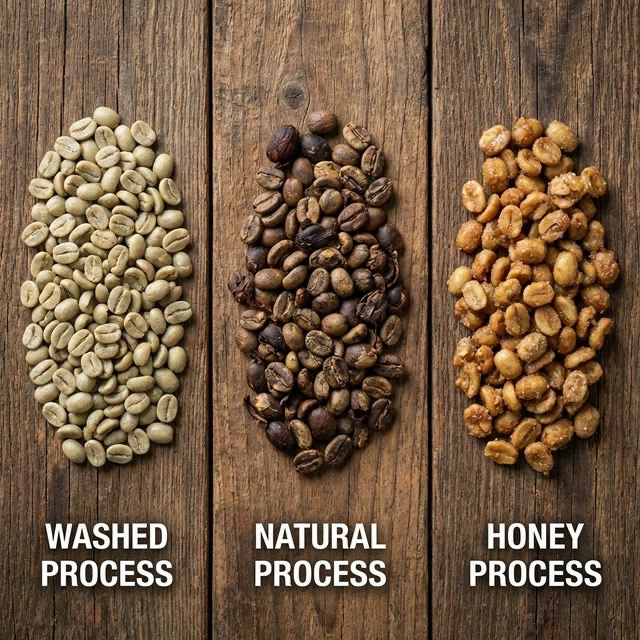
| Processing Method | Affects sweetness and body | Natural or honey process for sweetness |
| Altitude | Medium altitude = balanced sweetness | 1,200–1,800m (sweet spot for cold brew) |
| Variety | Needs inherent sweetness | SL-14, Bourbon, Catuai, Catimor |
Why Ugandan Arabica Works Exceptionally for Cold Brew
I’ve cupped cold brews made from dozens of origins, and Ugandan Arabica from Mt. Elgon consistently ranks among the top performers. The reason is structural: these beans grow at 1,500–2,000 meters — high enough for complexity, but not so high that acidity dominates. The washed Ugandan profile — chocolate, caramel, mild citrus — translates perfectly into cold water extraction, producing a smooth, sweet concentrate with none of the sour or flat notes that plague cold brews from other origins.
Roast Level: The Make-or-Break Factor
Roast level affects cold brew quality more dramatically than it affects hot brew. Here’s the practical guide:
Light Roast for Cold Brew: Risky
Light roasts preserve origin acidity — which is usually the selling point. But cold water can’t properly extract those bright, complex acids. The result is often thin, tea-like cold brew with an underdeveloped flavor. Only use light roasts if you’re specifically targeting a cold brew audience that prefers bright, delicate profiles (a very niche market).
Medium Roast for Cold Brew: The Sweet Spot
Medium roast develops enough caramelization to produce sweetness and body while retaining enough origin character to keep the cold brew interesting. Most successful commercial cold brew operations use medium to medium-dark roasts. This is the roast level that creates “smooth, easy drinking” cold brew that appeals to the widest customer base.
Dark Roast for Cold Brew: Powerful but Watch the Bitterness
Dark roasts produce bold, smoky cold brew with heavy body. Extended cold extraction of over-roasted beans can pull bitter, ashy compounds that hot brewing might not extract. If you’re going dark, keep your immersion time on the shorter side (12–16 hours rather than 20–24).
Grind Size and Ratio: Getting the Extraction Right
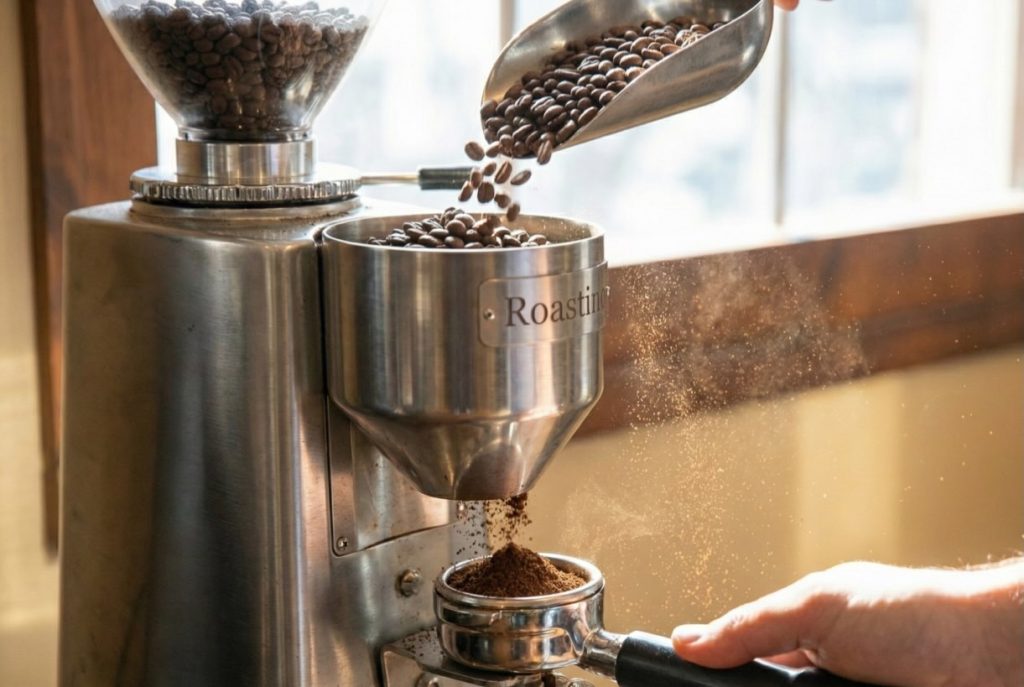
The cold brew ratio and grind size work together to control extraction intensity and flavor balance:
Standard Cold Brew Concentrate
- Ratio: 1:5 (200g coffee per liter of water) for concentrate
- Grind: Coarse — similar to sea salt
- Time: 16–24 hours at room temperature or 24–48 hours refrigerated
- Dilution: Concentrate is typically diluted 1:1 to 1:2 with water, milk, or ice before serving
Ready-to-Drink Cold Brew
- Ratio: 1:8 to 1:12 (less coffee), brewed to drinking strength
- Grind: Coarse to medium-coarse
- Time: 18–24 hours
- Serving: Poured directly over ice without dilution
Nitro Cold Brew
- Ratio: 1:5 to 1:6 concentrate, then charged with nitrogen
- Grind: Medium-coarse (slightly finer for more extraction before nitrogen softens the palate)
- Note: Nitrogen creates creamy mouthfeel, so you can use slightly lighter roasts than standard cold brew
The Cold Brew Business Opportunity
If you’re a roaster or distributor, cold brew coffee beans represent one of the fastest-growing wholesale categories. Here’s why the economics are compelling:
High Yield, High Margins
Cold brew concentrate uses roughly 200g of roasted coffee per liter. One liter of concentrate yields 2–3 liters of ready-to-drink cold brew. At café pricing of $4–$6 per cup, your cost per serving is remarkably low — often under $0.80 including the cup and lid.
Extended Shelf Life
Properly made cold brew concentrate keeps for 7–14 days refrigerated without significant quality loss. This means less waste compared to drip coffee, which goes stale within hours. For cafés struggling with coffee waste on slow days, cold brew is an efficiency solution.
Year-Round Growth
Cold brew was once a summer drink. Now it’s year-round, driven by nitro cold brew (served without ice), cold brew lattes, and the ready-to-drink bottled cold brew market. Cafés that keep cold brew on the menu through winter consistently report 15–20% of total coffee sales from cold drinks even in cooler months.
Sourcing Cold Brew Beans at Wholesale
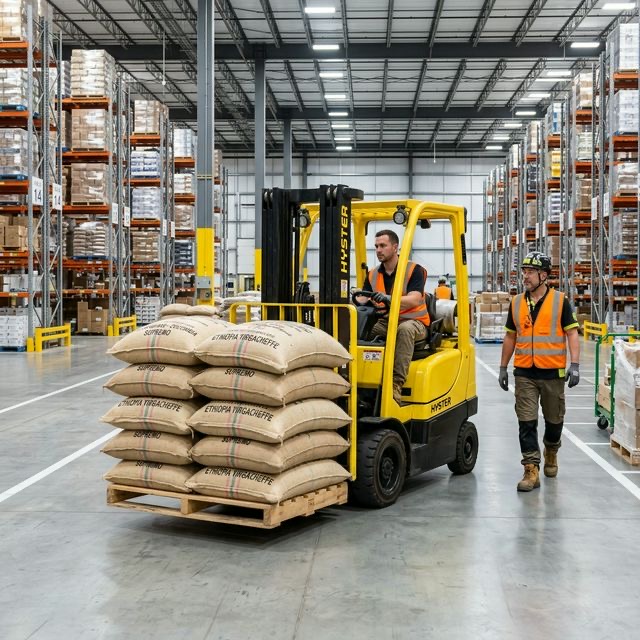
When you’re purchasing green coffee specifically for cold brew roasting, your priorities differ from standard espresso or filter sourcing:
- Prioritize sweetness over acidity: Cup potential cold brew components hot, but evaluate for sweetness and body, not for bright acidity. The acids won’t come through in cold extraction.
- Consider natural processed coffees: The fruit sweetness from natural processing shines in cold brew extraction. Natural processed Ugandan or Brazilian lots can produce cold brew with a syrupy sweetness that customers love.
- Buy for consistency: Cold brew is often a year-round menu item. You need beans you can source reliably, season after season. Work with suppliers who can commit to multi-season supply.
- Test before committing: Always brew a test cold batch before ordering a full lot. What tastes good hot may disappoint cold, and vice versa.
- Consider dedicated blends: Many successful roasters develop a specific cold brew blend — typically combining a sweet, heavy-bodied base (Uganda or Brazil) with a chocolate-forward accent (Guatemala or natural process Arabica).
Common Cold Brew Sourcing Mistakes
- Using your espresso roast for cold brew: Espresso beans optimized for pressure extraction often produce unbalanced cold brew. Develop a separate profile.
- Over-extracting with fine grinds: Fine grind + 24 hours = bitter, astringent cold brew. Keep it coarse.
- Ignoring the concentrate dilution: Always taste your cold brew at the dilution your customers will drink it. Concentrate alone is misleading — it’s always intense.
- Neglecting water quality: Cold brew uses a lot of water relative to coffee. Poor water quality amplifies off-flavors during the long extraction period.
Swab Dealers’ Mt. Elgon Ugandan Arabica is naturally suited for cold brew — sweet, full-bodied, and low in harsh acidity. Available in both washed and natural processed lots for your cold brew program.
Request Cold Brew Bean Samples →