The Strict Economics of Coffee Roasting: A Logistics Reality Check
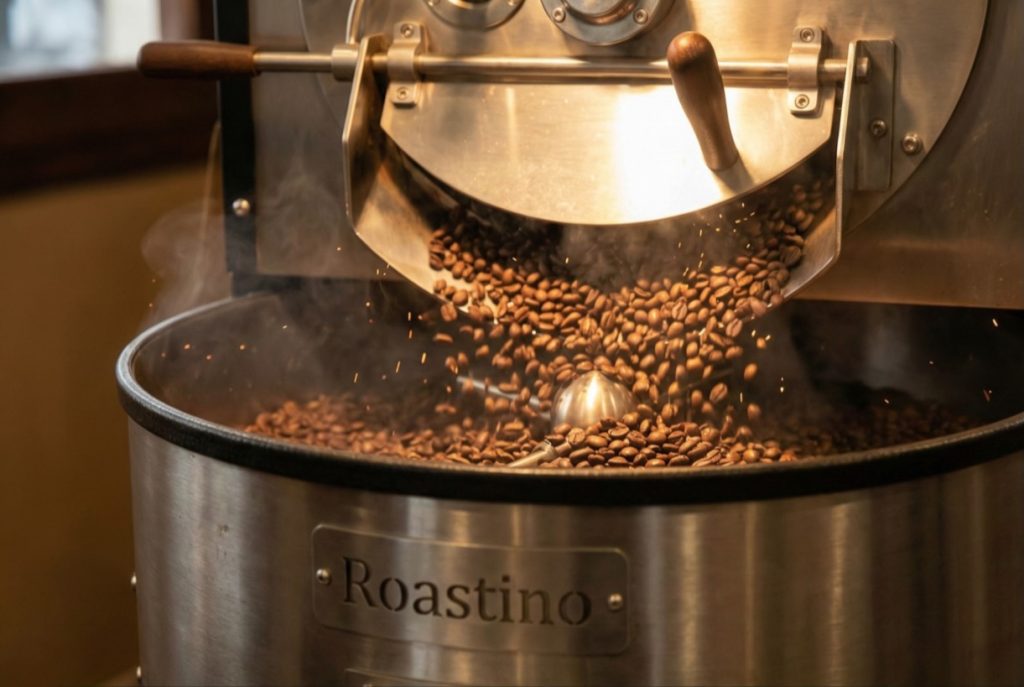
The artisan allure of commercially roasting your own coffee is entirely undeniable. The sensory aroma of raw green coffee beans physically transforming into a rich, dark roast routinely offers an intoxicating sense of craft and brand control. However, for massive food wholesalers and distributors, this heavy logistical decision must be driven strictly by data and ROI, not romance. The actual capital expenditure (CapEx) strictly required for a functioning commercial roasting setup—including industrial gas ventilation, climate-controlled green bean storage, sorting destoners, and automated packaging lines—is astronomically substantial.
Moving beyond just the heavy machinery, the insidious “hidden” operating costs of in-house roasting frequently completely erode profit margins for non-specialists:
- Inventory Volatility: Successfully sourcing high-quality green beans in bulk strictly requires intimately navigating a fiercely volatile, unpredictable global commodities market.
- Skilled Labor Acquisition: A legitimate master roaster is an incredibly highly paid specialty artisan. Your cup consistency depends entirely upon this single, expensive individual.
- Waste Management: The brutal learning curve reliably results in ruined, scorched beans and heavily unsellable batches—a massive financial sunk cost rarely factored realistically into initial café business plans.
Partnering safely with a dedicated industrial roaster allows commercial distributors to focus purely on branding and sales while simultaneously ensuring consistent, premium cup quality.
The Strategic Retal Edge of Private Label Coffee
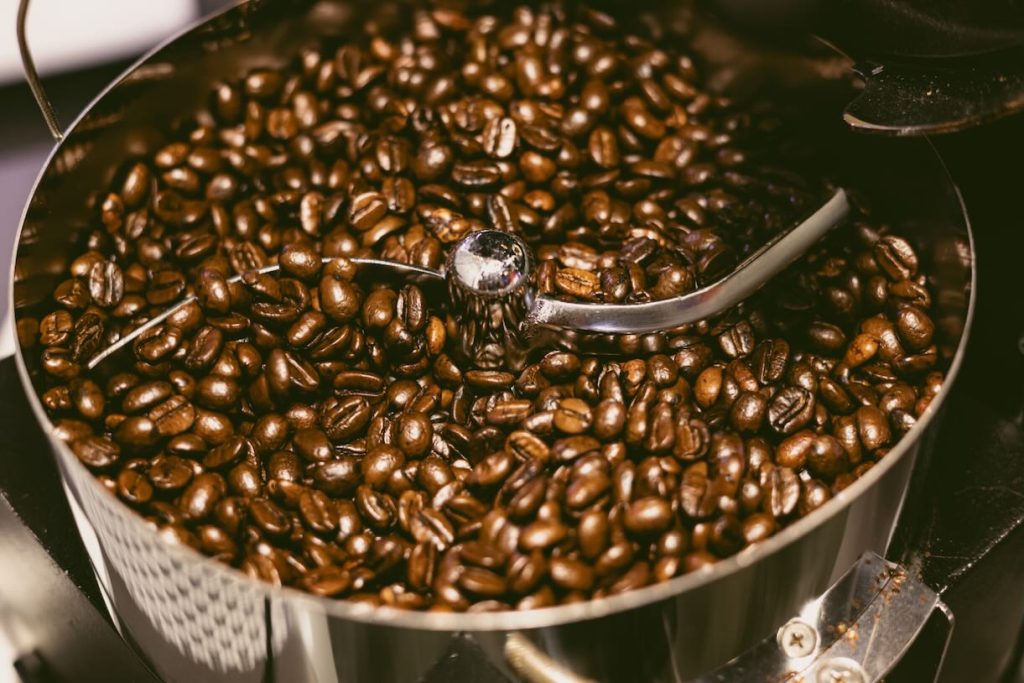
Conversely, the modern private label coffee model has evolved dramatically. It is definitively no longer simply about slapping a cheap paper sticker onto generic, stale bulk beans. Today, high-end white label coffee roasters strictly offer highly sophisticated B2B partnerships where you can carefully curate highly specific profiles—exactly like a dense Dark Roast Arabica engineered for espresso extraction or a bright, fruity filter profile intended strictly for retail grocery bags.
Aggressive Speed to Market and Seamless Scalability
For a massive food distributor, operational time is literal currency. Partnering strategically with established wholesale coffee bean suppliers explicitly allows you to launch a massive product line across multiple states in mere weeks rather than exhausting months. You instantly bypass the brutal local permitting, gas installation, and terrifying trial-and-error phases of independent roasting. Furthermore, commercial scalability is totally instant. Whether you suddenly need 50kg or completely require 5000kg of premium bulk coffee overnight, a dedicated industrial partner silently manages the massive volume fluctuations entirely without you needing to aggressively buy larger, more expensive roasting machines.
A Return to Core Competencies
Your true business strength inherently lies in logistics supply distribution, B2B customer relationships, and overarching brand management. By strictly outsourcing the dark production entirely to B2B experts who specialize directly in high-altitude Ugandan coffee beans or other premium global origins, you mathematically ensure that absolutely every single bag delivered safely to your restaurant clients definitively maintains a rigorous “Golden Cup” standard.
Comparative Analysis: Roasting In-House vs. Private Label Execution
To directly help your purchasing team quickly visualize the massive operational differences, we have completely broken down the strict logistical factors for food businesses actively considering massive bulk coffee bean acquisition.
| Logistical Factor | Roasting In-House | Private Label Partnership |
|---|---|---|
| Massive Initial Investment | Critically High (Roaster, Venting, Storage) | Remarkably Low (Design & Initial Bag Order) |
| Speed to Market | 6-12 Exhausting Months | 4-8 Rapid Weeks |
| Cup Quality Control | Highly Variable (Dependent heavily on staff) | Unbelievably Consistent (Professional QA) |
| Profit Margins | Theoretically Higher (Long-term, high-volume only) | Highly Predictable (Fixed reliable wholesale cost) |
| Inventory Flexibility | High (Roast strictly on demand) | High (Access to a massive wide origin selection) |
☕ Why The Origin Matters: The Ugandan Margin Advantage
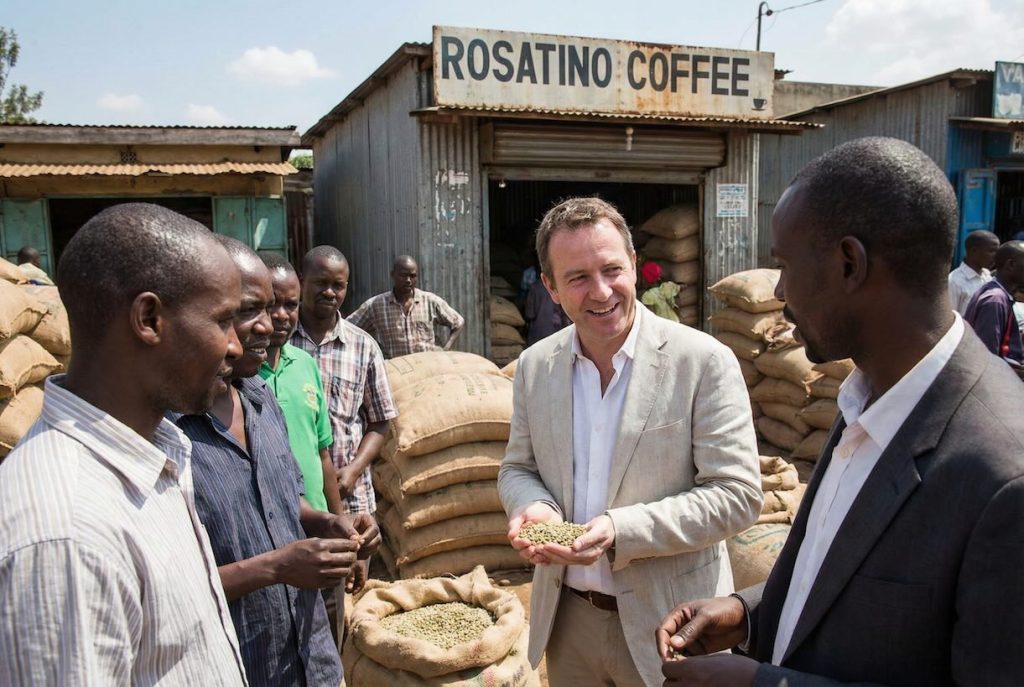
Whether your team stubbornly roasts internally or intelligently buys direct private label lines, the raw organic material absolutely defines your brand identity. At Swab Dealers, we completely specialize in premium, high-altitude Uganda coffee beans. While occasionally historically underrated, Ugandan Arabica (specifically sourced from the towering Mount Elgon and Rwenzori growing regions) explicitly offers a remarkably dense, pristine high-altitude bean featuring vastly complex tasting notes of rich chocolate, dried dark fruit, and a shimmering, wine-like acidity.
For smart commercial distributors, proactively offering a distinct, vibrant origin exactly like Uganda can serve as a massive, powerful differentiator completely inside a retail market heavily saturated with dull, standard Colombian or generic Brazilian blends. It strictly tells a unique ethical story of quality, direct trade, and brilliant flavor profiles.
Ruthlessly Selecting the Right Wholesale Logistical Partner
If your board correctly decides that private label execution is definitively the smarter fiscal route for your business, the immediate next crucial step is aggressively vetting suppliers. Note carefully: absolutely not all bulk wholesale coffee roasters are created ethically or operationally equal.
Ironclad Traceability and Consistency
Relentlessly look strictly for suppliers who offer unwavering transparency. Can they legitimately tell your purchasing team exactly which farmer cooperative the green beans came from? Can they mathematically guarantee that the “Breakfast Blend” your client buys in hot June tastes fundamentally identical to the exact one they buy in freezing December? This rigid consistency is utterly vital for securely retaining high-volume restaurant and large-scale cafe clients.
Master Roasting Expertise
Does the head supplier genuinely understand the severe molecular nuance cleanly separating a delicate Light Roast from a sweet Medium Roast or a rich Dark Roast? We consistently find that many generic coffee suppliers intended strictly for small businesses frequently push heavily over-roasted, oily beans specifically to mask highly inferior, cheap green quality. A legitimate premium partner will roast meticulously to actively highlight the specific bean’s natural, beautiful character, never destroy it entirely.
Conclusion: Executing the Profitable Strategic Choice
For honestly most regional food distributors and rapidly growing retail food businesses, the massive operational drag, endless learning curves, and extreme CapEx of in-house roasting rarely outweigh the immediate logistical benefits of outsourcing. The unquestionably smart financial play is predictably entirely to leverage the massive, built-out infrastructure of a dedicated roasting specialist. By efficiently utilizing highly reliable wholesale bulk coffee strictly under a custom private label arrangement, you aggressively secure a premium cup product, heavily protect your liquid cash flow, and rigorously keep your operations team entirely focused directly on what definitively matters most: rapidly expanding your retail market share.
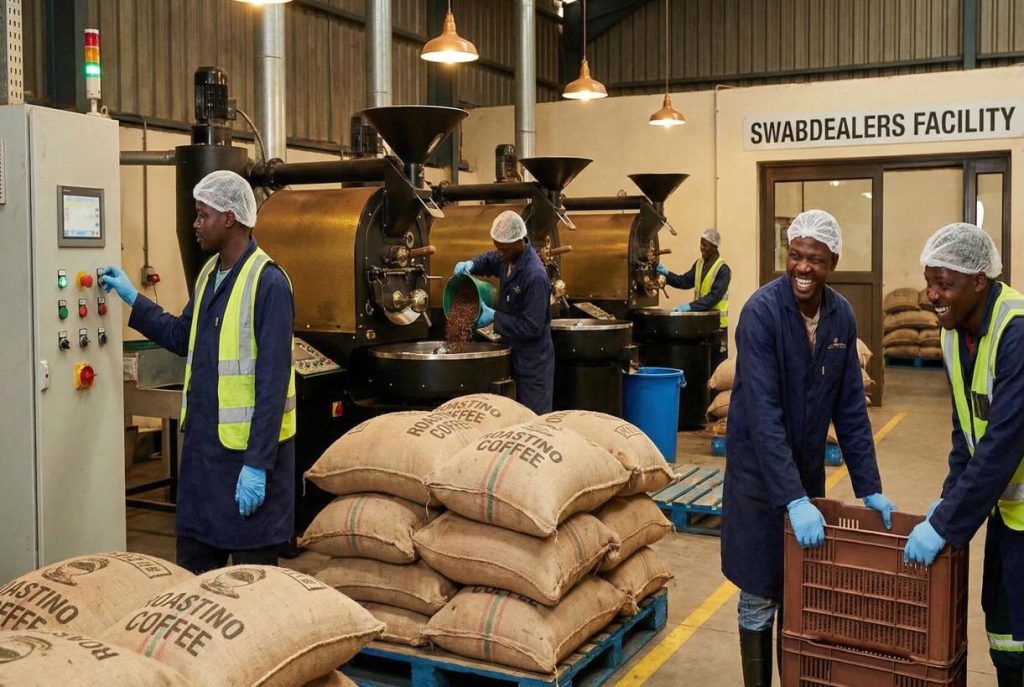
At highly trusted Swab Dealers, we seamlessly bridge the massive geographical gap strictly operating between the remote origin farm and your loading dock. Our ironclad direct logistical access securely to elite Ugandan growers and our massive industrial roasting capabilities effortlessly allow us to fiercely serve as your immensely powerful, silent B2B partner completely rooted in coffee excellence.
🚀 Radically Launch Your Coffee Brand Today
Stop worrying needlessly about complex roast profiles, gas lines, and expensive machinery maintenance. Let Swab Dealers expertly supply your logistics division specifically with premium, wholesale Ugandan Arabica coffee strictly tailored exactly to your brand aesthetics.
Request a B2B Wholesale Direct Quote