Strategic Sourcing: How Premium Wholesale Coffee Beans Drive Café Margins in 2026
In the hyper-competitive landscape of 2026, the difference between a coffee shop that barely survives and one that thrives isn’t just the barista’s skill—it’s the supply chain. For food distributors and café owners, the strategic sourcing of premium wholesale coffee beans has moved from a simple checklist item to a critical profit lever.
The coffee industry is facing a paradox. Consumer demand for high-quality specialty Arabica is at an all-time high, yet operational costs are squeezing margins tighter than ever. The solution for smart businesses isn’t cutting quality—it’s optimizing sourcing. By shifting focus to high-value origins like Uganda and securing direct relationships with reliable coffee suppliers, businesses can aggressively reclaim their margins without compromising the cup.
The Economics of Bulk Coffee Sourcing
For years, the standard advice for finding coffee suppliers for coffee shops was to find the absolute cheapest acceptable bean. Today, that strategy is dangerously obsolete. The modern consumer is highly educated; they intuitively taste the difference between a stale commodity blend and a fresh, single-origin crop. Buying wholesale coffee based solely on a race to the bottom leads directly to inconsistent product, rapid customer churn, and ultimately, lower revenue.
Instead, astute owners have shifted to a “Cost Per Cup Performance” metric. A slightly higher initial investment in premium green coffee beans often yields a much denser, more consistently flavorful bean that requires less volume to produce a rich espresso shot. This is where the true efficiency of bulk purchasing comes into play.
Why Private Label is the New Standard
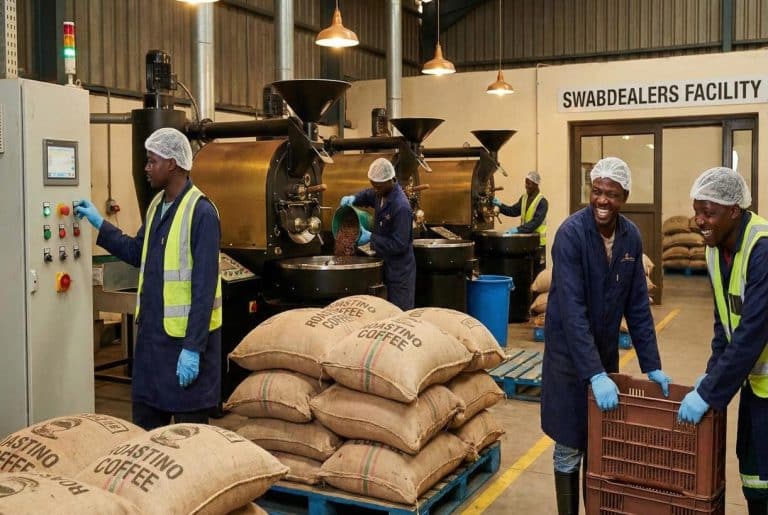
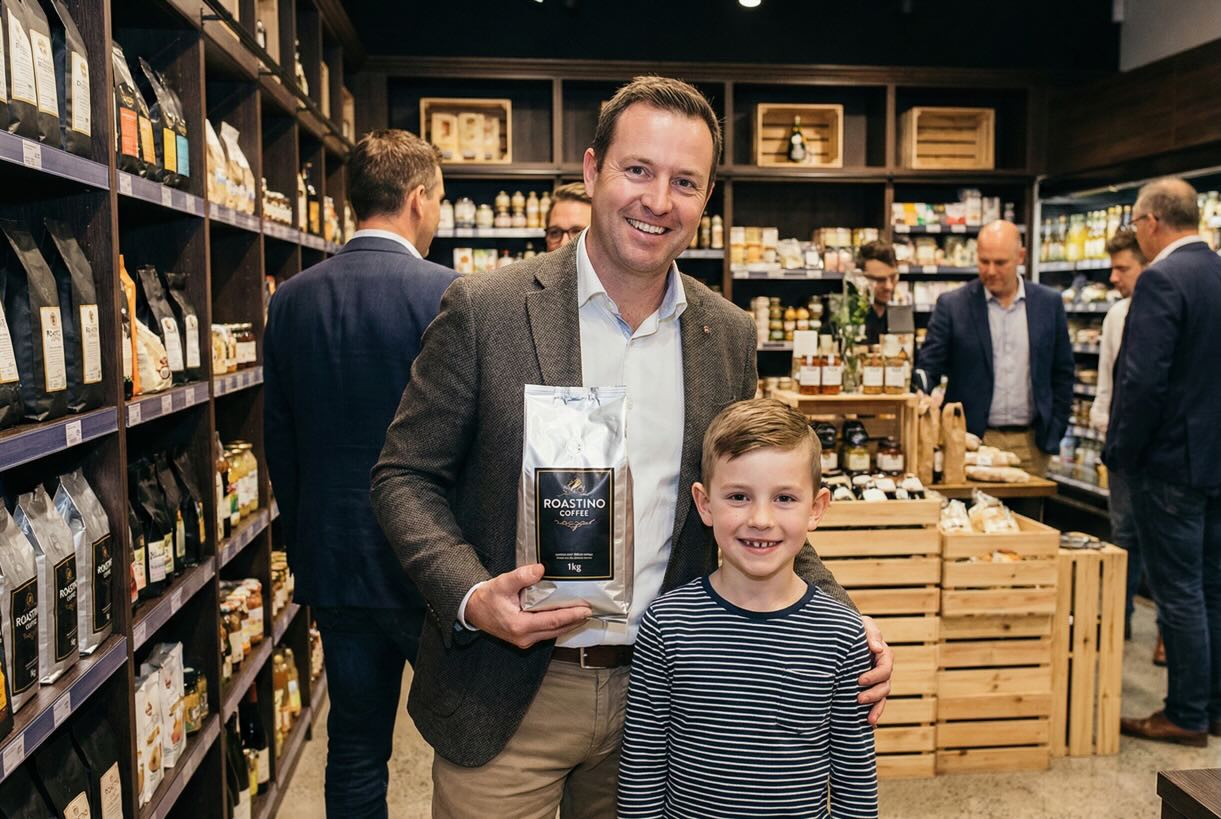
We are seeing a massive surge in demand for private label collaborations. Cafés and regional distributors are realizing that building their own brand equity is far safer than constantly advertising a third-party roaster’s logo on their retail shelves. By sourcing premium raw beans and toll-roasting under their own label, businesses definitively retain customer loyalty and control their exact pricing destiny.
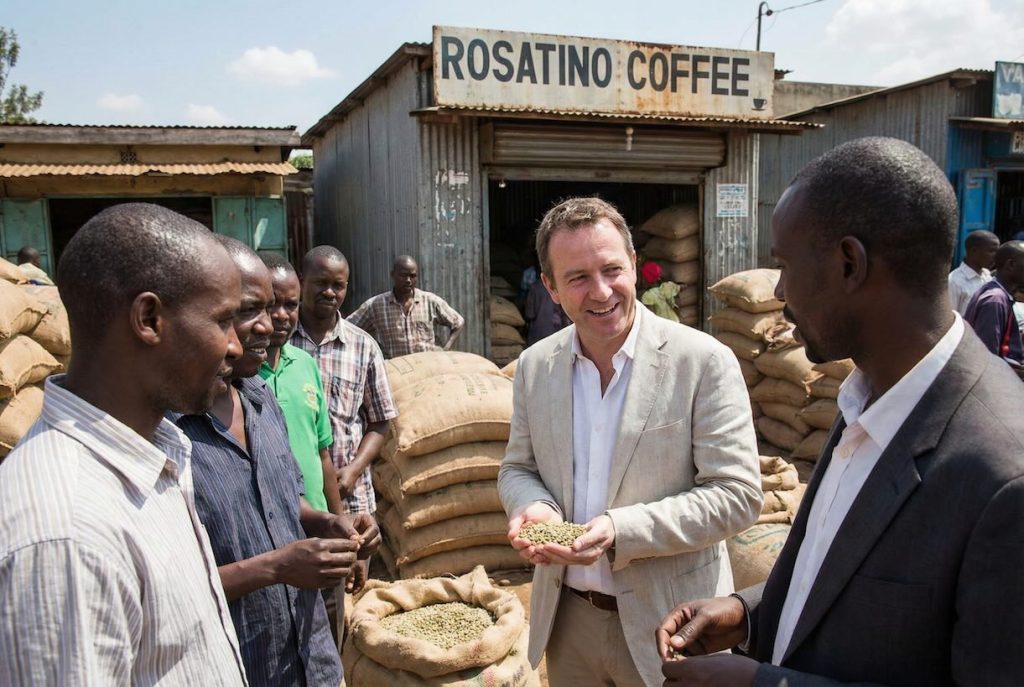
 Authentic sourcing: High-quality Ugandan beans ready for bulk export.
The Origin Edge: Why Uganda?
While Brazil and Colombia have historically dominated the wholesale conversation, Uganda has rapidly emerged as the definitive strategic choice for 2026. Why? It purely comes down to the undefeated quality-to-price ratio.
The high-altitude Arabicas cultivated in regions like Mount Elgon offer a complex flavor profile that easily rivals premium Kenyan or Ethiopian beans—but they arrive at a much more accessible price point for bulk buyers. This allows food wholesalers and distributors to offer a verifiable “Specialty Grade” product while maintaining a highly competitive wholesale rate.
Furthermore, sourcing coffee from Uganda inherently supports a sustainable ecosystem. Many of these farms are naturally organic by default, utilizing canopy-shade farming methods that deeply appeal to the modern, eco-conscious consumer.
Vetting Reliable Supply Partners
Finding someone to sell you coffee is easy; finding a dedicated supply chain partner is incredibly difficult. When evaluating a potential supplier for your cafe or distribution network, look far beyond the initial price list.
Key Supplier Metrics for 2026
- Consistency: Can they deliver the exact same flavor profile in July that they did in January?
- Scalability: As your franchise or distribution network hits rapid growth, can their logistical supply of bulk beans easily keep up?
- Transparency: Do they know the specific farm or high-altitude washing station? In an era of rampant supply chain scrutiny, traceability is absolutely non-negotiable.
Comparison: Commodity vs. Strategic Wholesale Sourcing
The table below clearly illustrates why shifting to a premium origin like Uganda for your core coffee supply makes overwhelming financial sense.
| Feature | Generic Commodity Blend | Premium Ugandan Wholesale |
|---|---|---|
| Flavor Profile | Flat, Nutty, Highly Inconsistent | Complex, Fruity, Deep Chocolate Notes |
| Customer Retention | Low (Strictly Price Sensitive) | High (Dedicated Taste Loyalty) |
| Best Application | Instant Coffee, Convenience Stores | High-Volume Espresso, Specialty Cafés |
| Margin Potential | Volume-Dependent (Very Low) | Quality-Driven (Extremely High) |
Frequently Asked Questions
Upgrade Your Coffee Supply Chain
Stop settling for inconsistent commodity beans. Secure your profit margins with premium, direct-trade Ugandan Arabica today.
View Wholesale Catalog