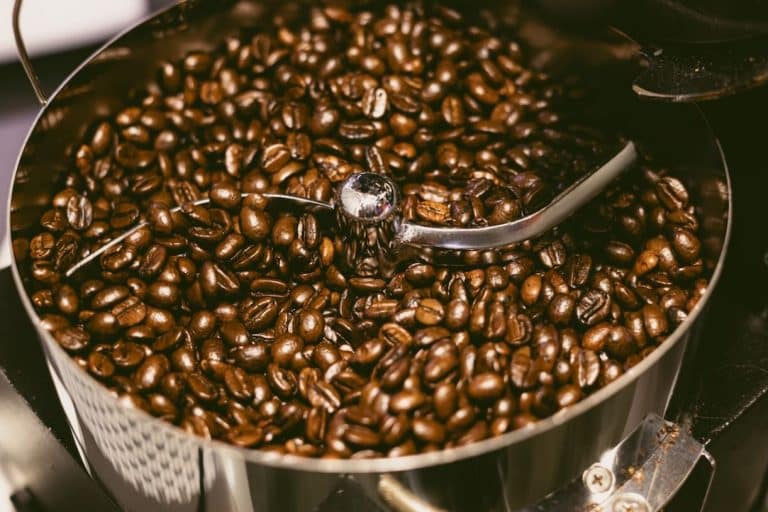
The global coffee market is shifting beneath our feet. As we approach 2026, the era of generic, undistinguished blends is fading rapidly for the independent sector. For small coffee businesses, cafes, and boutique roasters, survival no longer depends on just serving caffeine—it depends on serving a story, a distinct flavor, and an experience that the massive chains cannot replicate.
In this high-stakes environment, finding the right coffee suppliers for small businesses is not just a logistical detail; it is a strategic maneuver. Enter Ugandan Arabica. Once the quiet achiever of East Africa, Ugandan beans are now taking center stage, offering a unique value proposition of exceptional quality, distinct flavor profiles, and favorable economics for wholesalers.
Here is why switching your sourcing strategy to direct Ugandan trade might be the most profitable decision you make this year.
The Untapped Potential of Ugandan Arabica
For decades, neighbors like Ethiopia and Kenya dominated the spotlight. However, sophisticated palates in 2025 and 2026 are increasingly turning toward Uganda, specifically the high-altitude regions of Mount Elgon. Why? Because the market is saturated with the “usual suspects,” and customers are craving something new.
Ugandan Arabica is renowned for its wine-like acidity, rich chocolatey body, and fruity undertones. Unlike the Robusta that Uganda is historically famous for, its Arabica beans compete with the world’s finest specialty coffees. For a deeper dive into the technical differences, read our guide on why 100% Arabica is worth the premium.
Supply Chain Sovereignty: Direct Trade vs. Aggregators
One of the most critical search trends we see today is businesses looking for wholesale coffee beans that come with transparency. The old model of buying from massive, faceless aggregators often leaves small businesses with mixed-origin beans of questionable freshness and fluctuating prices.
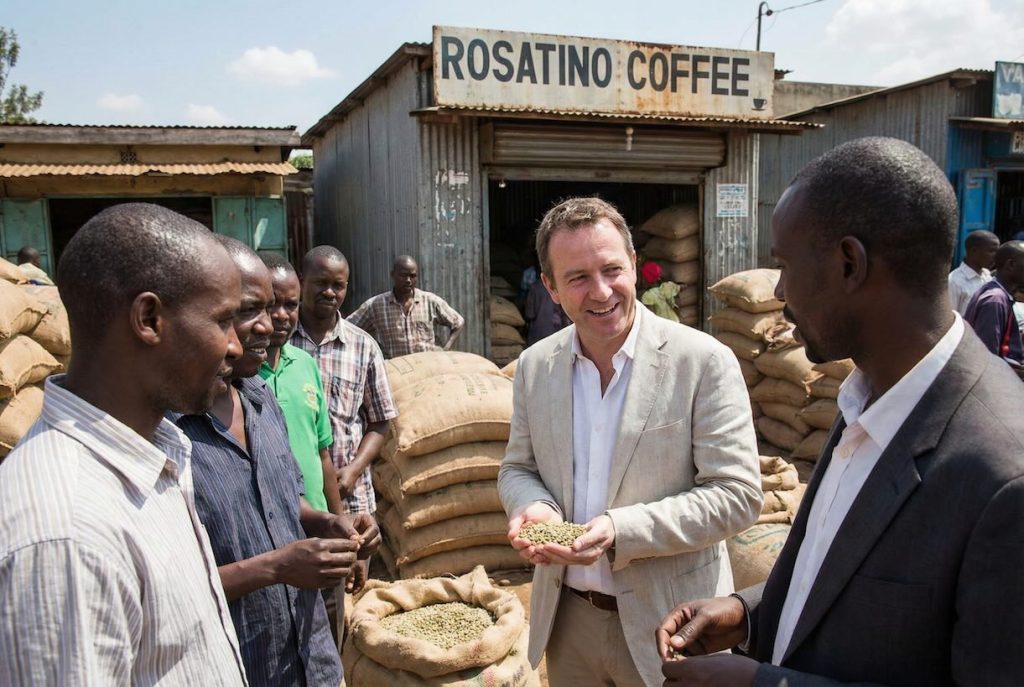
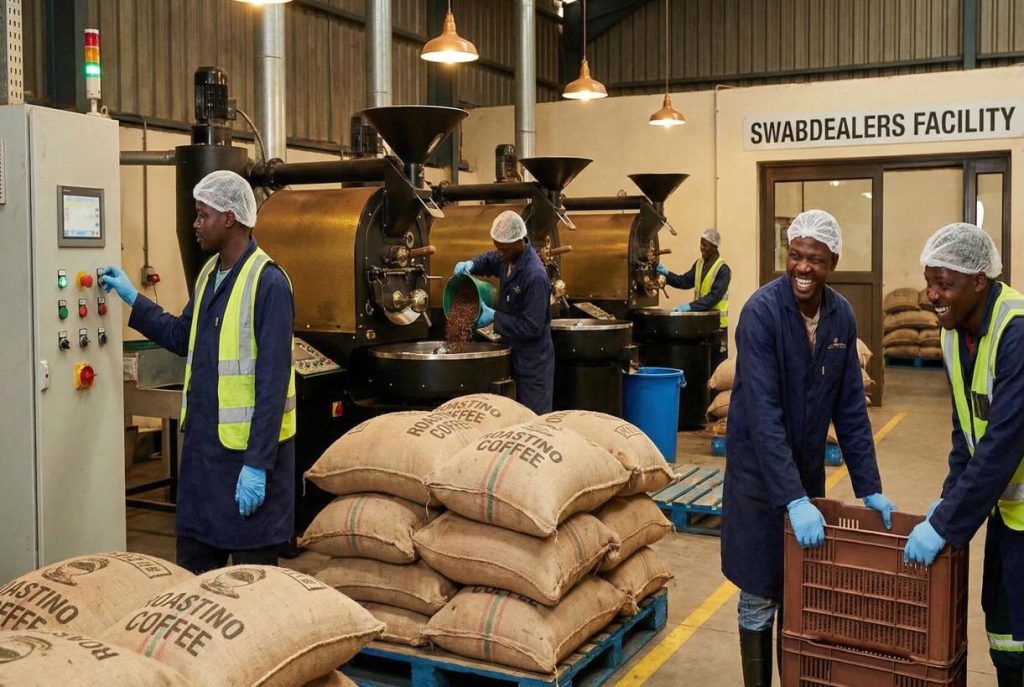
By sourcing directly from producers like Swab Dealers, small businesses gain control. You aren’t just buying bulk coffee beans; you are securing a consistent supply chain. This is vital for maintaining the flavor consistency that turns a first-time visitor into a loyal regular. Learn more about our approach in our guide to sourcing the best African coffee.
The Economics of Quality: A Comparison
Many shop owners fear that “Single Origin” or “Direct Trade” implies “Expensive.” In reality, cutting out the middlemen often makes high-quality Ugandan coffee more competitive than mediocre blends from large distributors. Here is how the sourcing models compare for a small business in 2026:
| Feature | Generic Distributor | Swab Dealers (Producer/Direct) |
|---|---|---|
| Bean Origin | Often mixed/untraceable blends | Single Origin (Uganda), traceable |
| Freshness | Months in warehousing | Farm-to-partner freshness |
| Cost Structure | High markups for middlemen | Competitive producer-direct pricing |
| Flexibility | Rigid contracts, high MOQs | Tailored for small business growth |
| Brand Story | Generic | Unique heritage & sustainability story |
For the Roasters: The Green Coffee Advantage
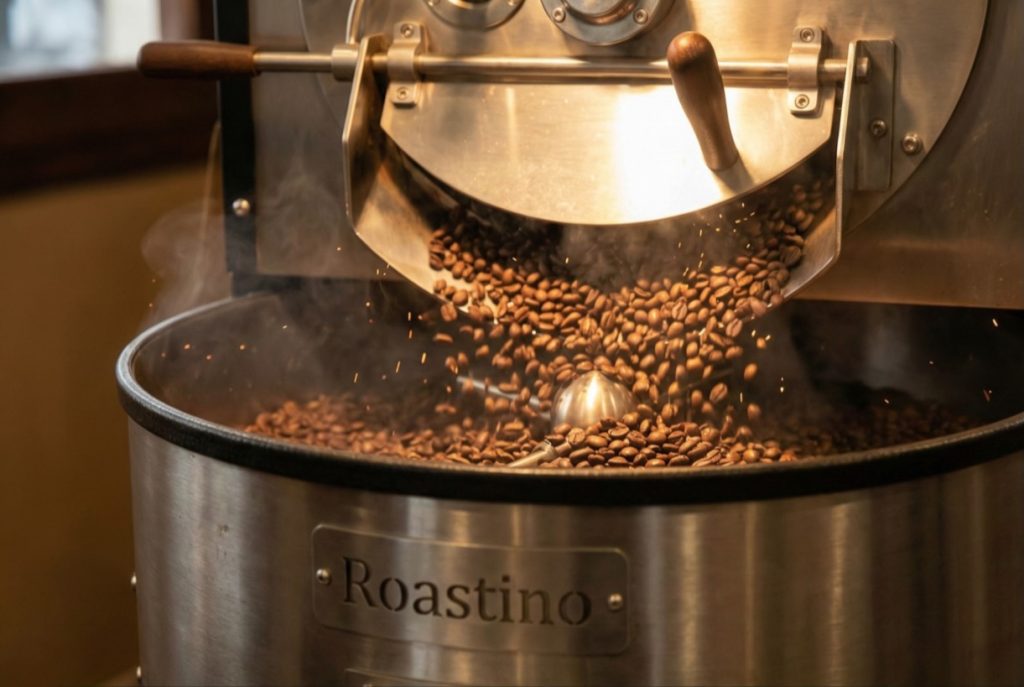
If you roast your own beans, the opportunity is even greater. The search volume for wholesale green coffee beans has spiked, indicating a resurgence in micro-roasteries. Sourcing green beans gives you the ultimate creative control over the final product.
Ugandan green beans are dense and respond beautifully to various roast profiles. Whether you are aiming for a bright, acidic light roast or a deep, bold dark roast, the raw material is versatile. We explore this further in our article on the art of specialty green coffee.
Sustainability: A Non-Negotiable in 2026
Consumers in 2026 vote with their wallets. They want to know that their morning brew supports equitable trade and environmental stewardship. Sourcing Ugandan coffee often involves supporting female farmers and organic farming practices.
Aligning your brand with ethical sourcing isn’t just “nice to have”—it’s a marketing engine. When you serve our coffee, you can tell your customers exactly where it came from. Read more about the impact of ethical choices in Why Women Should Choose Organic Coffee.
Conclusion: Your Next Strategic Move
The coffee industry is not slowing down. To thrive as a small business, you need a partner, not just a vendor. You need distinct flavors, reliable sourcing, and a story that resonates. Ugandan Arabica offers all three.
Whether you need premium roasted beans ready for brewing or green beans for your roaster, Swab Dealers is your gateway to the best of Uganda. Don’t let 2026 be the year you blend in. Stand out with the bold taste of Africa.
Frequently Asked Questions
Ugandan Arabica, particularly from the Mt. Elgon region, offers a unique flavor profile of wine-like acidity and rich chocolate notes that differentiates small shops from big chains. It also allows for direct trade sourcing, improving margins.
Look for suppliers who offer transparency, consistent lot quality, and flexible minimum order quantities (MOQs). Producers like Swab Dealers specialize in B2B relationships that cater specifically to the needs of growing roasters and cafes.
If you have roasting capabilities, buying green coffee beans wholesale offers significantly higher profit margins and allows you to control the flavor profile. However, high-quality roasted wholesale beans are an excellent starting point for cafes focusing on service.