Which Coffee Beans Produce the Most Consistent High-Volume Espresso?
Extracting a beautiful shot of espresso at 6:30 AM is easy. Extracting that identical, flawless shot of espresso 250 times consecutively during an unrelenting morning rush is one of the hardest things to do in the culinary world. When you are operating a high-volume cafe, the coffee beans you toss into your hopper dictate your failure rate. You need a bean structure that forgives human error and barista fatigue.
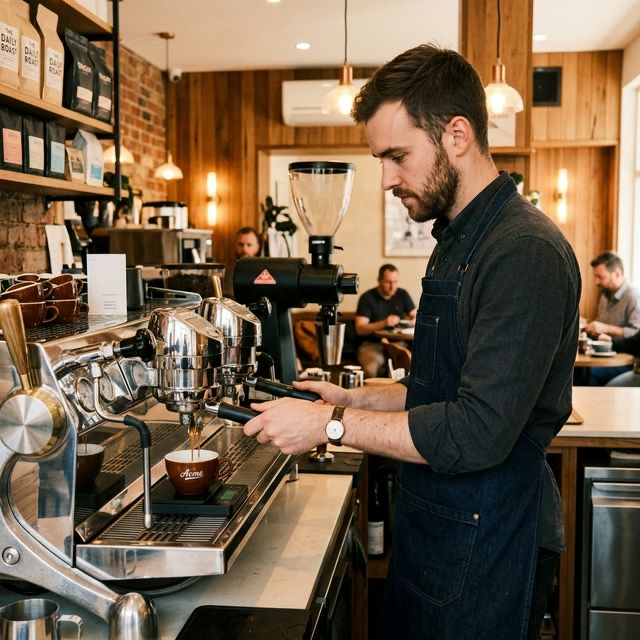
Many new owners naively select their house espresso blend based purely on how a single shot tasted on a quiet cupping table. This is operational suicide. High-volume environments require coffee beans exhibiting high solubility, dense structures, and low susceptibility to ambient humidity changes.
The Science of Solubility in High-Volume Operations
Solubility refers to how easily the water strips flavor compounds from the roasted bean. In a high-volume setting, your espresso machine is constantly varying slightly in thermal stability as cold water enters the boiler. If you are using dense, lightly roasted, low-solubility beans (like a light-roast Kenyan), any minor drop in water temperature will result in a severely under-extracted, sour shot of espresso.
To combat this, you must select coffee beans optimized for High Solubility. This guarantees that even if a barista tamps unevenly or the machine temperature dips momentarily, the coffee will still extract relatively well, yielding a sweet, passable shot rather than something undrinkable.
| Bean Profile | Solubility Level | Margin of Barista Error | Best Case Use |
|---|---|---|---|
| Light Roast, High Altitude (e.g., Washed Ethiopia) | Very Low | Virtually Zero | Low-volume specialty bars, Single Origin Hoppers |
| Medium Roast Blends (e.g., Uganda + Brazil) | High | High Forgiveness | High-volume cafes, Drive-thrus, Bakery pairings |
| Dark Roast (e.g., Sumatra, Vienna roasts) | Very High (over-extracts easily) | Low (easily turns bitter/ashy if shots run long) | Traditional Italian cafes, intense iced drinks |
Why African/South American Blends Dominate
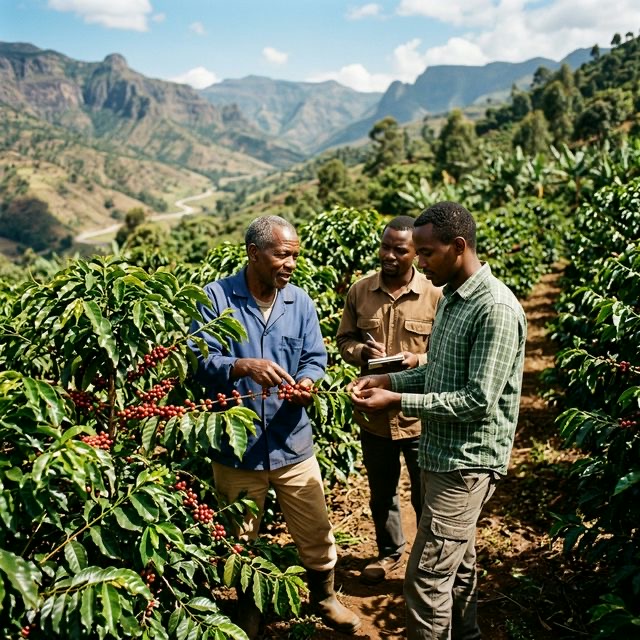
If you survey the highest grossing independent cafes, you will find their workhorse espresso is almost universally a blend uniting the heavy chocolate base of South America with the dense, sweet complexity of East Africa.
There is a mechanical reason for this:
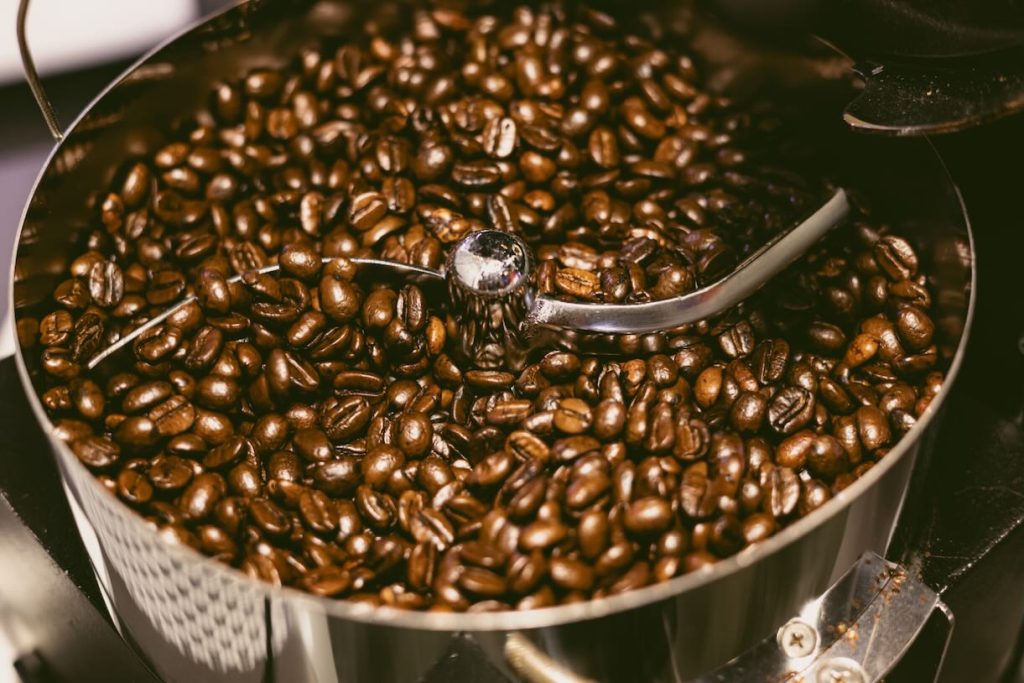
- Structural Density: Ugandan and Colombian beans grown above 1,500 meters are physically dense. When put through a commercial grinder (like a Mythos One or Peak), they shatter cleanly resulting in fewer “fines” (micro-dust particles that clog espresso pucks and cause bitter channeling).
- Milk Cutting Power: In high-volume cafes, 85% of drinks contain milk. The nutty, caramel sweetness intrinsic to these beans pairs perfectly with dairy or oat milk without disappearing.
The Threat of Single Origin Espresso at Scale
Running a single origin (SO) coffee as your high-volume house espresso is treacherous. Single origin crops change drastically from season to season depending on rainfall and soil nutrition.
If your entire customer base falls in love with the chocolatey profile of your “Guatemalan Huehuetenango” house espresso, what do you do when the next harvest yields a crop that tastes overwhelmingly like green apple? Your regular customers will reject it.
Blends mitigate agricultural risk. By building an espresso blend out of 3 or 4 different coffees, your roaster can swap out components as harvests change, manipulating the ratios to ensure the flavor profile remains perfectly flat and identical 365 days a year.
Post-Roast Degassing: The Silent Killer of Consistency
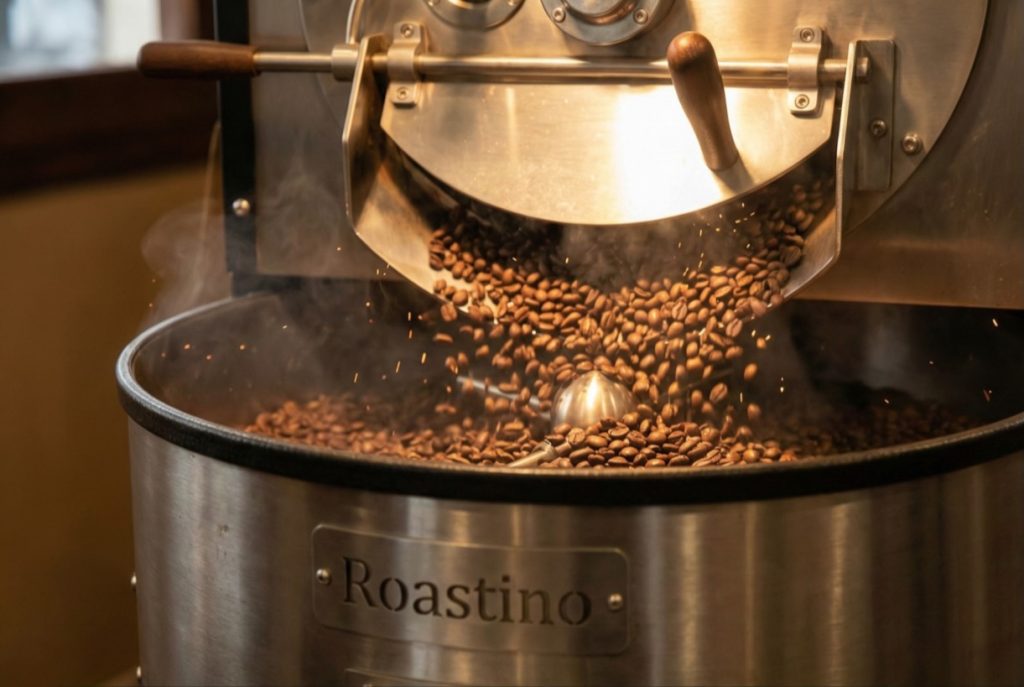
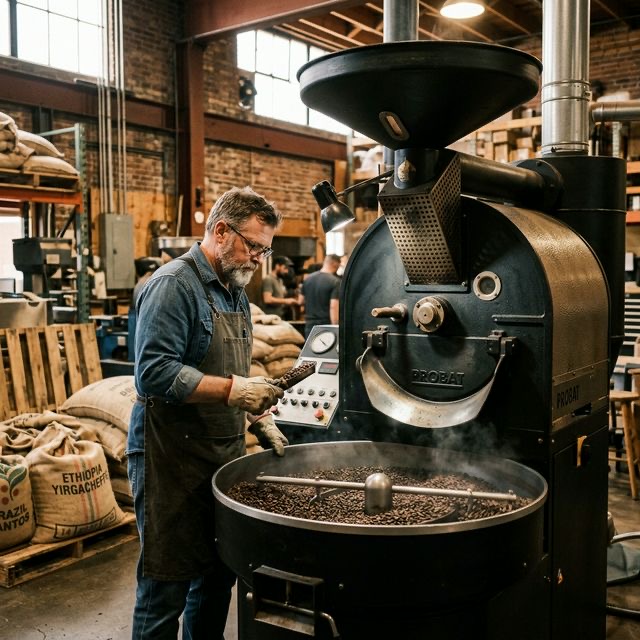
Even the greatest coffee beans will ruin your morning rush if they are too fresh. Freshly roasted coffee releases intense amounts of carbon dioxide. If you put beans in your hopper that were roasted 48 hours ago, the CO2 physically repels the water in your espresso machine, forcing the barista to grind finer and finer just to force an extraction.
As the beans off-gas throughout the day, the shots will suddenly choke the machine, forcing the barista to aggressively re-dial the grinder during a rush. To ensure high-volume consistency, you must strictly use beans that have rested (degassed) for a minimum of 10 to 14 days post-roast.
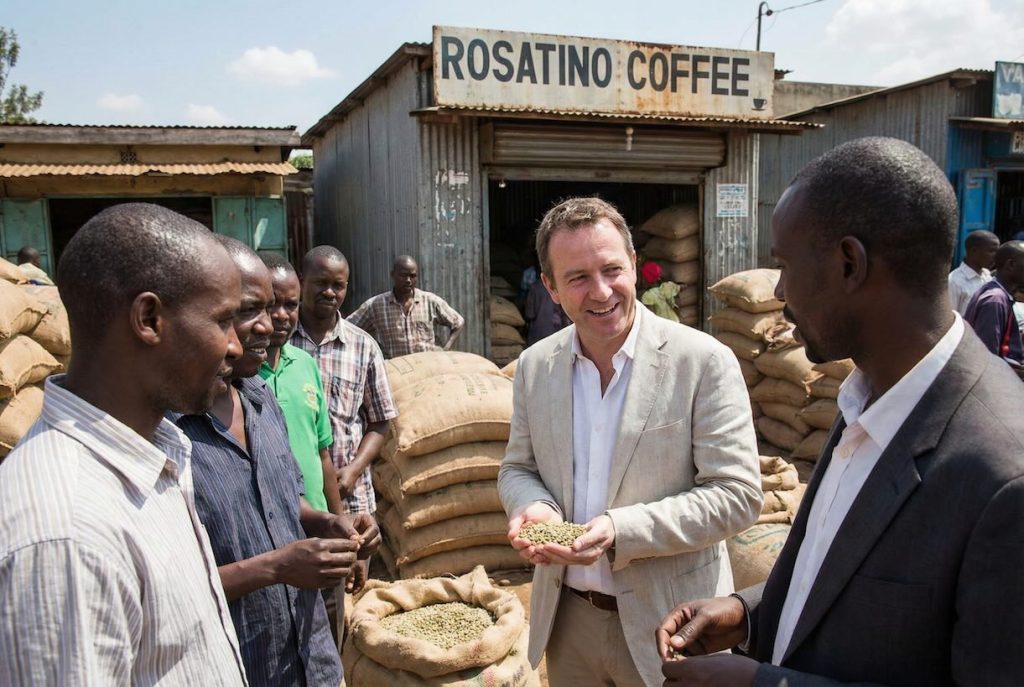
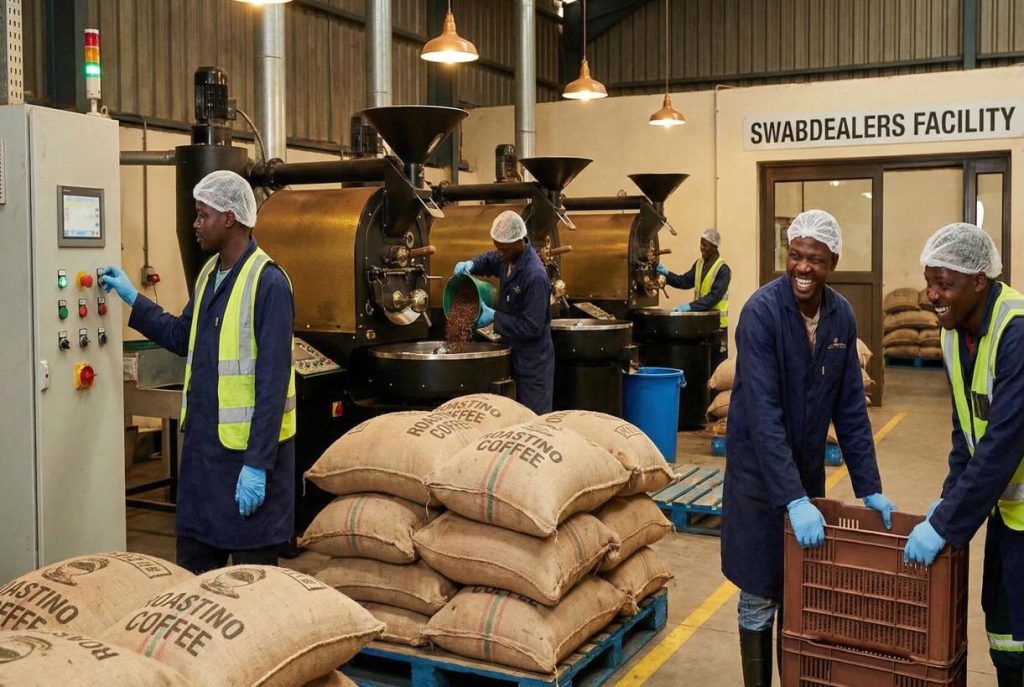
You cannot build a scalable high-volume cafe on unpredictable beans. Swabdealers, makers of Roastino coffee, imports structurally dense, naturally sweet Ugandan Arabica designed to be the highly-soluble backbone of your custom espresso blend.
Secure Your High-Volume Coffee Supply →