Roasted Coffee Wholesale vs Green Coffee Import: Which Is Better for Your Business?
For cafés, hotels, restaurants, coffee distributors, and private-label brands, the choice between buying roasted coffee wholesale and importing green coffee depends on control, cost, freshness, equipment, staff skill, and how quickly the business needs a sellable coffee product.
Many coffee businesses ask the same question when they start scaling: should we buy ready-roasted coffee from a wholesale supplier, or should we import green coffee and roast it ourselves? The answer is not the same for every company. A hotel chain may need consistency and simple inventory control. A specialty roaster may need full control over roast profiles. A distributor may want a ready product with strong branding, while a private-label business may want both flexibility and speed.
This article compares roasted coffee wholesale and green coffee import from a practical B2B point of view. It covers cost, freshness, roasting control, storage, logistics, risk, cash flow, and the best choice by business type.
Simple Definition: Roasted Coffee Wholesale vs Green Coffee Import
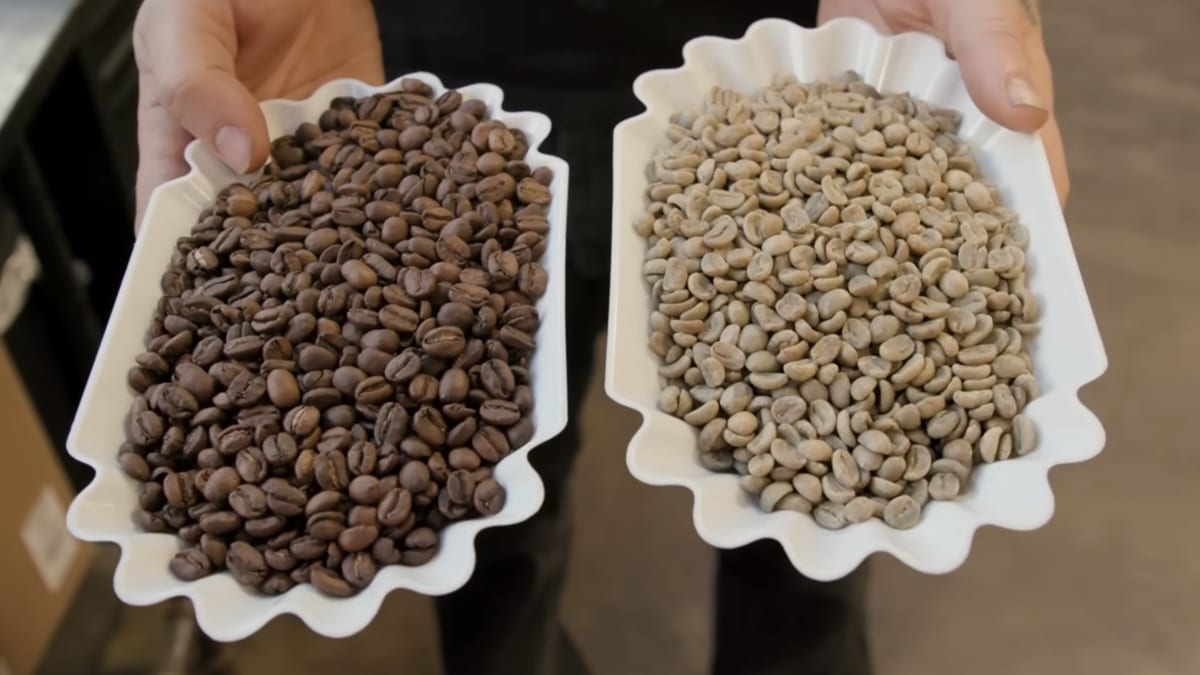
Roasted coffee wholesale means buying coffee that has already been roasted, packed, and prepared for commercial use. It can be supplied as whole beans, ground coffee, or capsules. This is usually the faster option for cafés, hotels, restaurants, offices, and distributors that need a ready-to-sell or ready-to-serve product.
Green coffee import means buying unroasted coffee beans and handling the roasting process yourself or through a roasting partner. This gives more control over roast profile, product development, and branding, but it requires roasting equipment, quality control, trained staff, storage planning, and more working capital.
Quick Answer
Roasted coffee wholesale is better for businesses that need speed, consistency, lower operational complexity, and ready-to-sell coffee. Green coffee import is better for roasters and brands that already have roasting equipment, quality control systems, and enough volume to justify managing the roasting process.
For most cafés, hotels, restaurants, supermarkets, offices, and new private-label buyers, roasted coffee wholesale is usually the safer first step. For established roasters, large distributors, and specialty coffee brands with technical roasting knowledge, green coffee import can offer more control and long-term flexibility.
Why This Decision Matters
Coffee is not only a commodity. It is a product affected by freshness, aroma, roast consistency, packaging, grinding, storage, customer expectations, and service format. A wrong sourcing decision can create problems such as stale coffee, inconsistent taste, slow inventory movement, packaging mismatch, high waste, and customer complaints.
For B2B buyers, the decision also affects cash flow. Green coffee may look cheaper per kilogram before roasting, but the final cost must include roasting loss, equipment, labor, quality control, packaging, electricity, storage, sample roasting, failed batches, and time. Roasted coffee wholesale may cost more per kilogram, but it reduces operational risk and gives the business a finished product faster.
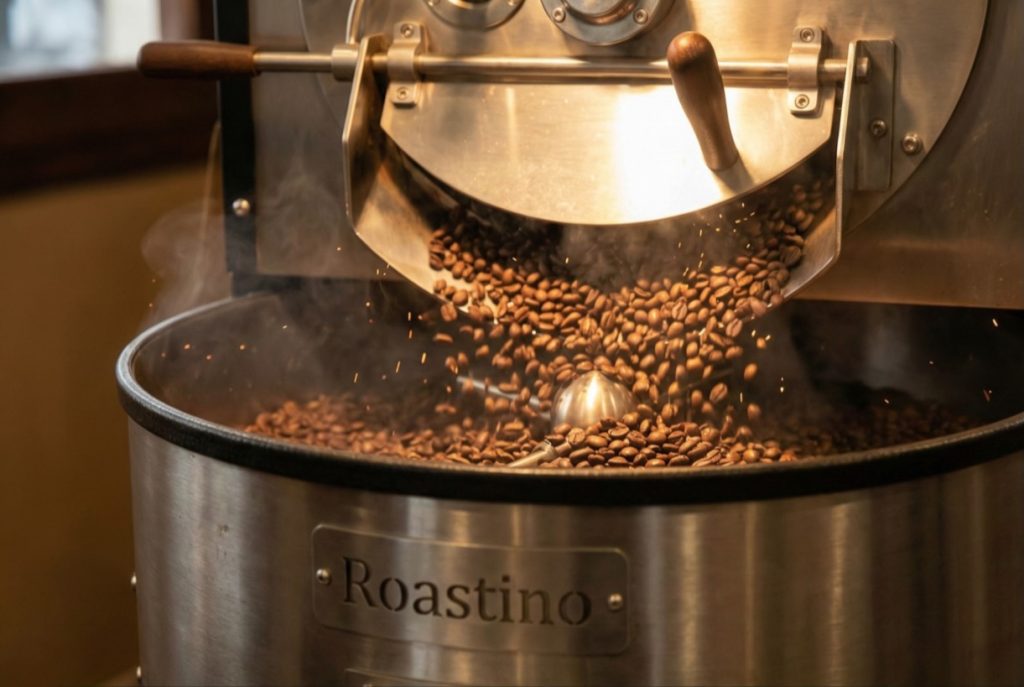
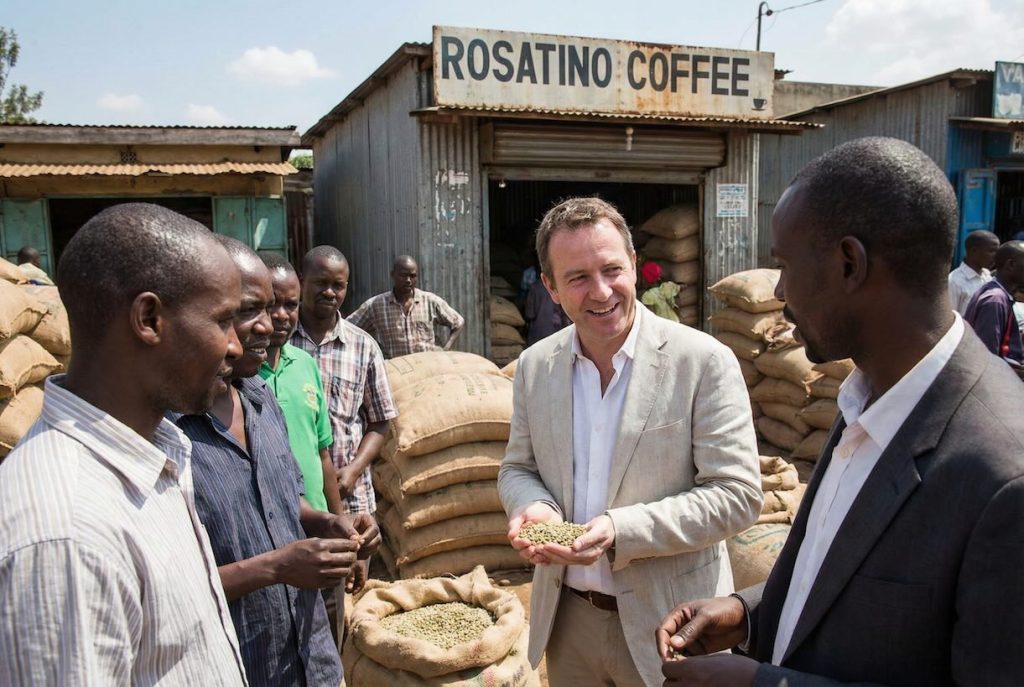
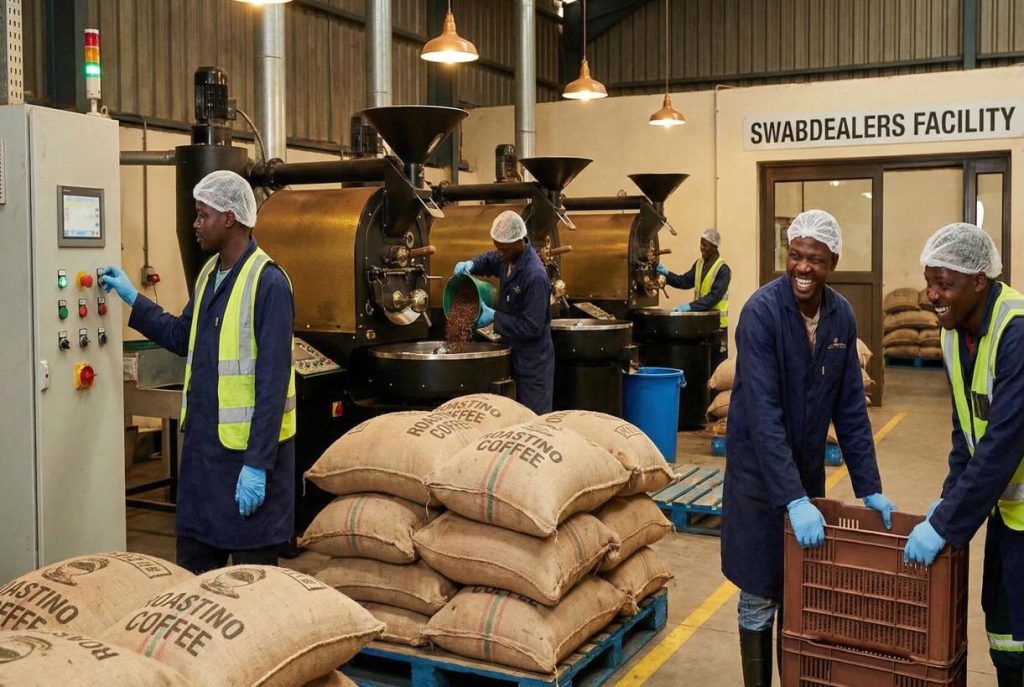
Swab Dealers supplies Uganda-grown Arabica coffee under the ROASTINO brand, including wholesale roasted coffee options for hospitality, distributors, offices, and food service buyers. The company describes its model as direct trade from Ugandan farming communities, with roasting and processing connected to its own facility in Bombo, Luwero District.
Main Comparison Table
| Factor | Roasted Coffee Wholesale | Green Coffee Import |
|---|---|---|
| Speed to market | Fast. Product can be sold or served quickly. | Slower. Requires roasting, testing, packing, and approval. |
| Technical skill required | Lower. Supplier controls roasting profile and consistency. | Higher. Requires roasting knowledge and quality control. |
| Equipment investment | Low. Grinder, brewer, espresso machine, or capsule system may be enough. | High. Requires roaster, ventilation, storage, cupping tools, and packaging setup. |
| Freshness control | Depends on roast date, packaging, and supplier reliability. | High control if roasting is managed professionally. |
| Brand control | Good with private label or wholesale packaging options. | Very high if the business controls roasting and packaging. |
| Risk level | Lower operational risk. | Higher risk if roasting, storage, or demand planning is weak. |
| Best for | Cafés, hotels, restaurants, offices, distributors, online sellers, and new private-label brands. | Specialty roasters, large brands, and importers with roasting capability. |
Best Choice by Business Type
| Business Type | Better Option | Reason |
|---|---|---|
| Café or coffee shop | Roasted coffee wholesale | Fast setup, consistent taste, less technical risk, easier stock planning. |
| Hotel or hospitality group | Roasted coffee wholesale | Consistency, room service, breakfast service, capsules, and predictable supply matter more than roasting control. |
| Restaurant or catering company | Roasted coffee wholesale | Needs reliable coffee without adding roasting operations. |
| Specialty roaster | Green coffee import | Needs full roast control, profile development, and origin differentiation. |
| Private-label startup | Roasted coffee wholesale first | Lower risk while testing market demand before investing in roasting. |
| Large distributor | Both | Roasted coffee for quick market supply; green coffee for roaster clients or custom projects. |
| Office coffee supplier | Roasted coffee wholesale | Convenience, stable flavor, easy replenishment, and capsule options are important. |
When Roasted Coffee Wholesale Is the Better Choice
Roasted coffee wholesale is usually the better choice when your business wants to serve or sell coffee without building a roasting operation. This option works well for cafés, hotels, restaurants, vending companies, offices, supermarkets, online retailers, and distributors who need consistent products in practical packaging sizes.
With wholesale roasted coffee, the supplier is responsible for roast development, production consistency, packaging, and batch control. The buyer can focus on sales, service, distribution, menu design, and customer experience.
For example, ROASTINO offers Uganda Arabica roasted coffee in light, medium, and dark roast options, with product pages describing single-origin Uganda coffee, wholesale availability, and packaging options for B2B buyers.
Advantages of Roasted Coffee Wholesale
- Faster launch: You can start selling or serving coffee without waiting for roasting trials.
- Lower investment: No commercial roasting machine, ventilation system, roasting room, or roasting team is required.
- Consistent taste: A reliable supplier can maintain a stable roast profile across batches.
- Better for hospitality: Hotels and restaurants usually need repeatable flavor, not constant roast experimentation.
- Easier inventory: Stock can be planned around finished coffee formats such as whole beans, ground coffee, or capsules.
- Lower operational risk: The buyer avoids roasting defects such as tipping, scorching, underdevelopment, baked flavor, or uneven roasting.
Possible Disadvantages
- You have less control over the exact roast curve.
- Your supplier must manage freshness properly.
- You may need to agree on packaging, roast date, shelf life, and minimum order quantities before ordering.
- If the supplier is not consistent, your customer experience may change from batch to batch.
When Green Coffee Import Is the Better Choice
Green coffee import is usually better for businesses that already understand roasting or have a roasting partner. This includes specialty roasters, large coffee brands, importers supplying roasters, and companies with enough demand to justify buying, storing, roasting, and testing green beans.
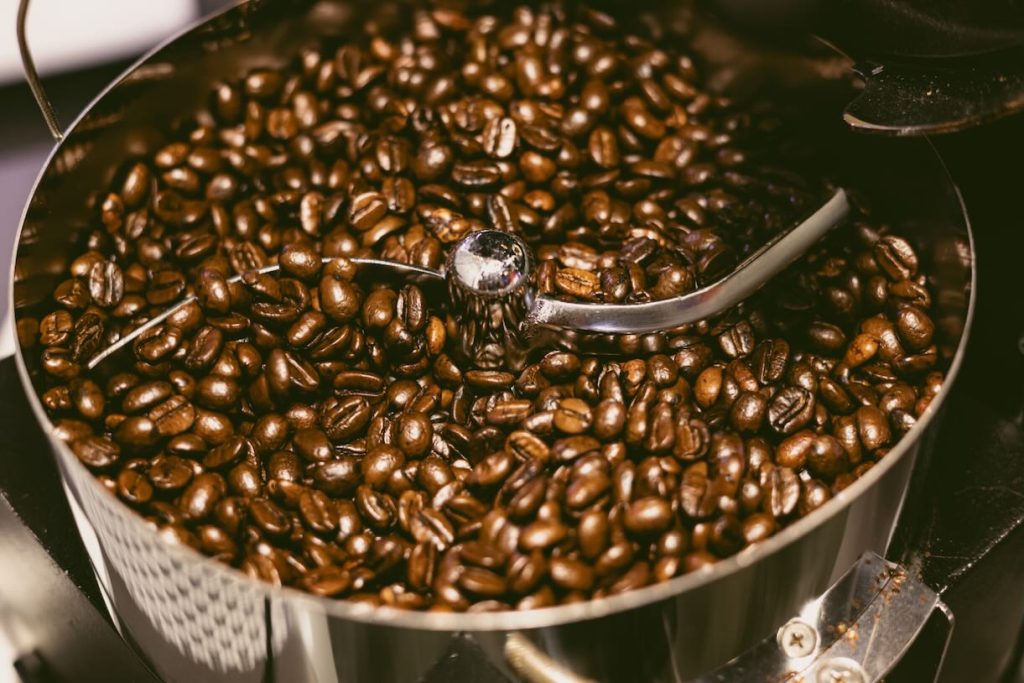
Green coffee gives the buyer more control over roast profile. A roaster can create a light roast for filter coffee, a medium roast for house blends, a dark roast for espresso, or custom profiles for different markets. This control can create brand differentiation, but it also requires skill and discipline.
Advantages of Green Coffee Import
- Full roast control: You can develop your own roast profiles and sensory identity.
- Longer raw material storage window: Green coffee generally allows more planning flexibility than roasted coffee when stored correctly.
- More product development options: You can test different roast levels, blends, and brewing methods.
- Better fit for specialty roasters: Roasters often prefer to control every step from sample roasting to final production.
- Potential cost advantage at scale: Large buyers may reduce cost per finished kilogram if roasting operations are efficient.
Possible Disadvantages
- You need roasting equipment, trained staff, quality control, and cupping ability.
- There is roasting loss, usually reducing final sellable weight.
- Bad roasting can damage even high-quality coffee.
- You must manage green coffee storage carefully to protect moisture, aroma potential, and cup quality.
- Cash flow can be heavier because import volumes, logistics, customs, warehousing, and production costs come before final sales.
Cost Comparison: The Hidden Costs Many Buyers Forget
Green coffee often appears cheaper when you compare only the price per kilogram. However, a realistic comparison should calculate the final cost per sellable kilogram after roasting, packaging, labor, electricity, losses, rejects, storage, quality control, finance cost, and unsold inventory.
Roasted coffee wholesale usually has a higher direct kilogram price because the supplier has already handled roasting, quality control, packaging, and production risk. But for many buyers, this higher unit price may still be better than investing in a roasting operation too early.
| Cost Item | Roasted Coffee Wholesale | Green Coffee Import |
|---|---|---|
| Roasting machine | Not required | Required unless outsourced |
| Roasting loss | Already included in supplier price | Buyer must absorb weight loss |
| Labor | Lower | Higher due to roasting, QC, packing |
| Quality control | Mostly supplier responsibility | Buyer responsibility |
| Packaging | Usually included or agreed with supplier | Buyer must arrange |
| Inventory risk | Finished product freshness risk | Green stock, roasting schedule, and finished product risk |
| Cash flow | Easier for small and medium buyers | Better only when volume and operations are strong |
Freshness: Which Option Keeps Coffee Better?
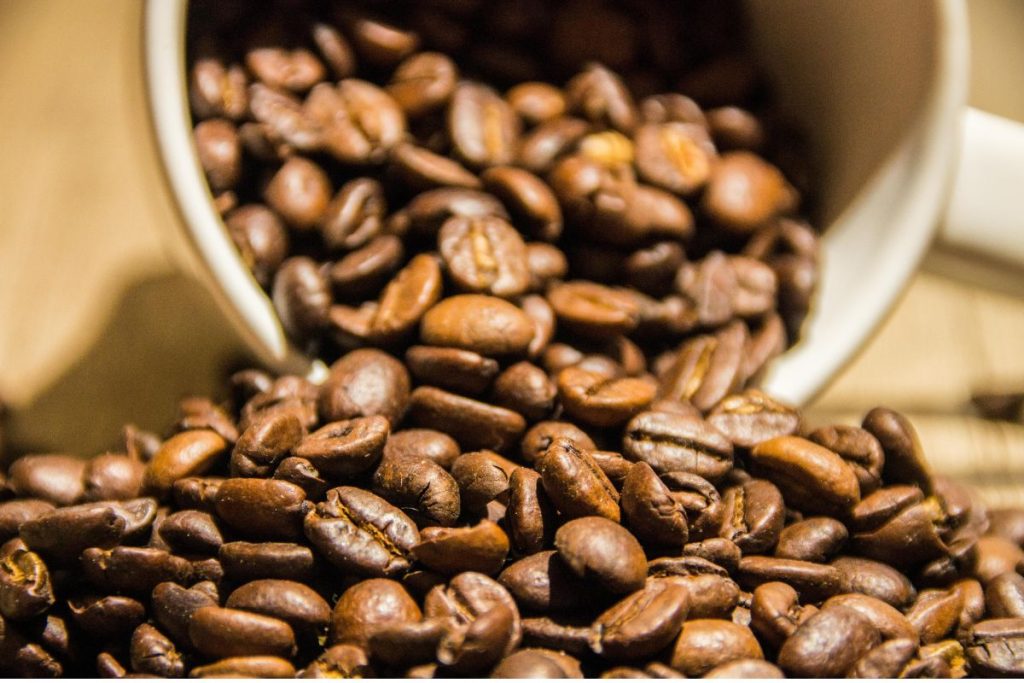
Roasted coffee freshness depends on roast date, degassing time, packaging, storage temperature, oxygen exposure, and how quickly the buyer sells or serves the coffee. Green coffee can be stored longer, but only if the buyer protects it from moisture, heat, odors, pests, and poor warehouse conditions.
For roasted coffee, the most important questions are: when was it roasted, how was it packed, does the bag protect against oxygen and moisture, and how fast will your business use it? Freshly roasted coffee is valuable only when inventory moves correctly. Buying too much roasted coffee without a clear sales plan can damage quality.
For green coffee, the issue is different. Green beans are not ready to brew, but they give roasters more time to plan production. However, poor storage can reduce cup quality before roasting even begins. Green coffee should be kept away from humidity, high heat, strong smells, contamination, and direct sunlight.
Branding and Private Label: Which Is Better?
If your business wants to build a coffee brand quickly, roasted coffee wholesale is often the practical starting point. You can work with a supplier on packaging format, roast level, flavor profile, label design, and product range without owning a roasting machine.
Green coffee import gives more control, but it also slows the launch if you do not already have a roasting system. Many private-label brands are better served by testing the market with wholesale roasted coffee first. Once volume becomes stable, they can consider green coffee sourcing or custom roasting programs.
For hospitality and office coffee buyers, capsules can also be an attractive format because they reduce mess, control portions, and improve consistency. ROASTINO lists Nespresso-compatible Arabica coffee capsules for hotels, offices, and commercial food service buyers.
Common Mistakes to Avoid
- Comparing price per kilogram only: Always compare final sellable cost, not raw coffee cost alone.
- Buying green coffee without roasting skill: Good green coffee can become poor coffee if roasted incorrectly.
- Over-ordering roasted coffee: Large stock may reduce freshness if sales volume is not proven.
- Ignoring packaging: Coffee needs protection from oxygen, moisture, heat, and odor.
- Not matching coffee to customer type: A hotel breakfast service, espresso bar, office machine, and specialty pour-over café do not need the same roast.
- Forgetting grinding requirements: Espresso, drip, French press, Turkish-style preparation, capsules, and vending machines require different grind specifications.
- Skipping samples: Always test samples before committing to wholesale or import quantities.
What to Check Before Buying Roasted Coffee Wholesale
- Origin and coffee variety
- Roast level: light, medium, dark, espresso, or custom profile
- Flavor notes and target brewing method
- Roast date and recommended use window
- Packaging size and packaging material
- Whole bean, ground coffee, or capsule format
- Minimum order quantity and lead time
- Private label availability
- Export documents and certificates when required
- Repeat supply consistency
What to Check Before Importing Green Coffee
- Origin, altitude, process, crop season, and grade
- Moisture content and physical quality
- Cup score or cupping notes when available
- Defect count and sample approval
- Bag type and shipping conditions
- Import documents, customs requirements, and food safety rules in your country
- Warehouse humidity and temperature control
- Roasting capacity and expected roasting loss
- Packaging plan after roasting
- Quality control process for every batch
Recommended Decision Workflow
Before choosing between roasted coffee wholesale and green coffee import, use this simple business workflow.
- Define your customer: café, hotel, office, supermarket, online buyer, specialty coffee drinker, or distributor.
- Define your coffee format: whole bean, ground coffee, capsule, private label pack, or green coffee for roasting.
- Check your technical capability: do you have roasting equipment, trained staff, cupping skills, and quality control?
- Calculate real cost: include roasting loss, labor, packaging, logistics, storage, and unsold inventory.
- Order samples: test flavor, aroma, grinding, brewing, packaging, and customer reaction.
- Start with controlled volume: avoid large inventory before demand is proven.
- Review after sales: compare customer feedback, repeat orders, waste, margin, and stock turnover.
Where Ugandan Arabica Fits in This Decision
Ugandan Arabica is becoming more interesting for international buyers because it offers origin differentiation, East African character, and opportunities for direct-trade supply. For businesses tired of offering the same common origins, Uganda can provide a stronger story and a different sensory profile.
Swab Dealers positions ROASTINO as Uganda Arabica coffee for wholesale buyers, including light roast, medium roast, dark roast, and capsules. The website describes products for cafés, restaurants, hotels, offices, and B2B buyers, with single-origin Uganda coffee and wholesale supply options.
For a café or hotel, roasted Uganda Arabica may be the easiest way to introduce a premium African coffee without managing roasting. For an established roaster, green Uganda Arabica may be attractive for developing a unique house profile, filter coffee, espresso blend, or seasonal single-origin offering.
FAQ
Is roasted coffee wholesale more expensive than green coffee?
Per kilogram, roasted coffee usually costs more than green coffee because roasting, labor, packaging, quality control, and roasting loss are already included. However, for many businesses it can still be more economical because it avoids roasting equipment, staff, failed batches, and operational complexity.
Who should import green coffee?
Green coffee import is best for established roasters, large coffee brands, and importers with roasting knowledge, storage facilities, quality control, and enough volume to justify the process.
Who should buy roasted coffee wholesale?
Roasted coffee wholesale is usually better for cafés, hotels, restaurants, offices, vending companies, online sellers, supermarkets, and new private-label brands that need a finished coffee product quickly and consistently.
Can a private-label brand start with roasted coffee wholesale?
Yes. Many private-label coffee brands start with roasted coffee wholesale because it allows them to test the market, packaging, price point, and customer response before investing in roasting operations or green coffee importing.
Is green coffee easier to store than roasted coffee?
Green coffee can generally be stored longer than roasted coffee, but it still needs proper warehouse conditions. Moisture, heat, odors, pests, and poor handling can reduce quality before roasting.
Which option is better for hotels?
Hotels usually benefit more from roasted coffee wholesale or capsules because they need consistency, convenience, controlled portions, and easy replenishment across rooms, restaurants, breakfast service, and events.
Should cafés buy whole beans or ground coffee?
Most cafés should buy whole beans and grind fresh before brewing. Ground coffee can be useful for offices, retail packs, or specific equipment, but whole beans usually provide better aroma control and freshness in professional coffee service.
About Swab Dealers and ROASTINO
Swab Dealers is a Ugandan coffee supplier and producer of ROASTINO coffee, serving B2B buyers with Uganda Arabica coffee for hospitality, distributors, offices, cafés, and wholesale markets. The company highlights direct trade sourcing, Uganda origin, roasted coffee options, and ROASTINO capsules for commercial coffee service.
For buyers comparing roasted coffee wholesale and green coffee import, Swab Dealers can support the first step with samples, wholesale roasted coffee options, and Uganda Arabica products suitable for professional coffee programs.
Conclusion
Choose roasted coffee wholesale if your business needs a ready product, consistent quality, simple operations, and faster sales. Choose green coffee import if you already have roasting knowledge, equipment, quality control, and enough volume to manage the process professionally.
For most cafés, hotels, restaurants, offices, and new private-label brands, roasted coffee wholesale is the safer and faster route. For established roasters and large-volume coffee brands, green coffee import can provide more control and long-term product flexibility.
The smartest approach is often to start with samples, test customer response, measure stock movement, and scale carefully. In coffee, the better option is not always the cheapest kilogram. It is the option that gives your business the right balance of taste, consistency, freshness, margin, and operational control.