How Should Cafés, Hotels, and Wholesalers Store Coffee Without Losing Freshness?
Coffee can lose freshness long before the expiry date if it is stored badly. For cafés, hotels, restaurants, wholesalers, distributors, and importers, poor storage is not only a quality issue. It can create weak aroma, flat espresso, customer complaints, wasted stock, and lost profit.
Many businesses focus on choosing the right coffee supplier but forget what happens after the cartons arrive. Roasted coffee beans, ground coffee, and coffee capsules all need protection from heat, light, oxygen, moisture, and strong odors. Warehouses need stock rotation. Cafés need daily handling rules. Hotels need portion control. Distributors need batch tracking and carton protection.
This article explains how coffee businesses should store coffee properly, what mistakes to avoid, and how practical storage habits can protect freshness, flavor, consistency, and margin.
Simple Definition: What Does Coffee Storage Mean for Businesses?
Coffee storage means controlling the conditions that affect coffee quality after roasting, grinding, packing, transport, and delivery. For a business, it includes where coffee is stored, how packaging is opened, how stock is rotated, how cartons are handled, and how long each product stays before being used or resold.
For cafés, coffee storage affects cup quality. For hotels and restaurants, it affects service consistency. For wholesalers and distributors, it affects customer complaints and repeat orders. For importers and private label brands, it affects shelf life, brand trust, and product reliability.
Quick Answer
Coffee should be stored in a cool, dry, dark, and odor-free area. Keep coffee sealed until needed, avoid heat and humidity, use first-in-first-out stock rotation, and do not open large bags before they are required.
Whole roasted beans usually keep their aroma better than ground coffee because less surface area is exposed to oxygen. Ground coffee should move faster through stock. Coffee capsules should be protected from heat, carton damage, and humidity. Green coffee requires dry, clean, ventilated storage with moisture and pest control.
Why Coffee Loses Freshness During Storage
Coffee freshness is fragile because roasted coffee continues to change after roasting. It releases gases, absorbs odors, reacts with oxygen, and slowly loses volatile aroma compounds. Even good coffee can taste dull if it is exposed to the wrong storage conditions.
The main enemies of coffee freshness are:
- Oxygen: Speeds up oxidation and makes coffee taste flat or stale.
- Moisture: Damages aroma and can create quality risks, especially in warehouses.
- Heat: Accelerates aging and can make coffee lose its clean cup profile faster.
- Light: Can affect exposed coffee, especially in clear containers or display jars.
- Odors: Coffee can absorb smells from spices, detergents, oils, onions, chemicals, or kitchen areas.
- Time: Even well-packed coffee should be rotated properly.
- Bad handling: Repeated opening, torn bags, crushed cartons, and mixed batches all reduce control.
Storage Needs by Coffee Type
| Coffee Type | Main Storage Risk | Best Business Practice |
|---|---|---|
| Whole roasted beans | Oxidation, aroma loss, heat exposure | Keep sealed, open only what is needed, store away from heat and light. |
| Ground coffee | Faster staling due to more exposed surface area | Use smaller packs, rotate faster, reseal immediately after opening. |
| Coffee capsules | Humidity, heat, carton damage, slow stock movement | Store in dry cartons, avoid direct sun, monitor expiry and batch numbers. |
| Green coffee beans | Moisture, mold, pests, odor absorption | Use clean, dry, ventilated warehouse storage and avoid direct floor contact. |
| Private label coffee | Brand complaints if quality drops | Control batch tracking, storage instructions, packaging integrity, and stock age. |
Coffee Shop Mistakes That Kill Freshness
Cafés often lose freshness through daily handling mistakes rather than warehouse problems. A coffee shop may receive excellent roasted coffee, but if staff store it beside heat, leave it open, or grind too much in advance, customers will notice the difference in the cup.
Mistake 1: Keeping Coffee Near the Espresso Machine
The espresso machine area is usually warm, busy, and exposed to steam. Coffee bags should not be stored beside the machine, grinder motor, oven, dishwasher, or kitchen pass. Use a cool cabinet or storage shelf away from heat sources.
Mistake 2: Leaving the Hopper Full Overnight
A grinder hopper is not a long-term storage container. It exposes beans to light, oxygen, and heat from the café environment. A practical habit is to fill the hopper according to expected service volume, then store the remaining beans sealed.
Mistake 3: Opening Too Many Bags at Once
Opening several bags “to be ready” reduces freshness control. Cafés should open one bag or one daily-use container at a time, especially for premium single-origin Uganda Arabica coffee, where aroma and cup profile are important selling points.
Mistake 4: Grinding Too Much Coffee in Advance
Ground coffee loses aroma faster than whole beans. Cafés should grind as close to brewing as possible. If pre-ground coffee is required for filter service, portion it carefully and avoid leaving it exposed during the day.
Hotel and Restaurant Storage Problems
Hotels and restaurants often use coffee more slowly than busy cafés, so storage discipline matters. Coffee may be used for breakfast service, room service, meeting rooms, dessert pairing, or guest-room capsules. Each use case needs a different stock strategy.
Hotels should avoid storing coffee inside hot kitchens or near cleaning materials. Capsules should remain in their cartons until needed. Ground coffee for buffet service should be protected from moisture and odors. Restaurants should avoid keeping coffee beside spices, frying oil, sauces, or dishwashing areas because roasted coffee can absorb surrounding smells.
For hotels with slow or variable demand, coffee capsules can reduce waste because they offer portion control, cleaner handling, and easier stock counting. For restaurants, medium roast or dark roast coffee can support after-meal service, but the final choice should depend on customer taste and brewing method.
Wholesale and Distributor Warehouse Mistakes
For wholesalers and distributors, coffee storage becomes a supply chain issue. The goal is not only to keep coffee fresh but also to protect cartons, preserve traceability, prevent stock confusion, and deliver consistent product quality to customers.
Common warehouse mistakes include:
- Storing coffee cartons directly on the floor.
- Keeping coffee near damp walls, open doors, or direct sunlight.
- Mixing old stock with new stock without clear labels.
- Not using first-in-first-out rotation.
- Stacking cartons too high and damaging packaging.
- Ignoring batch numbers and expiry dates.
- Keeping coffee near chemicals, spices, perfumes, or cleaning products.
- Buying too much slow-moving stock without a sales plan.
- Opening master cartons unnecessarily for inspection or sampling.
- Not separating beans, ground coffee, capsules, and private label stock.
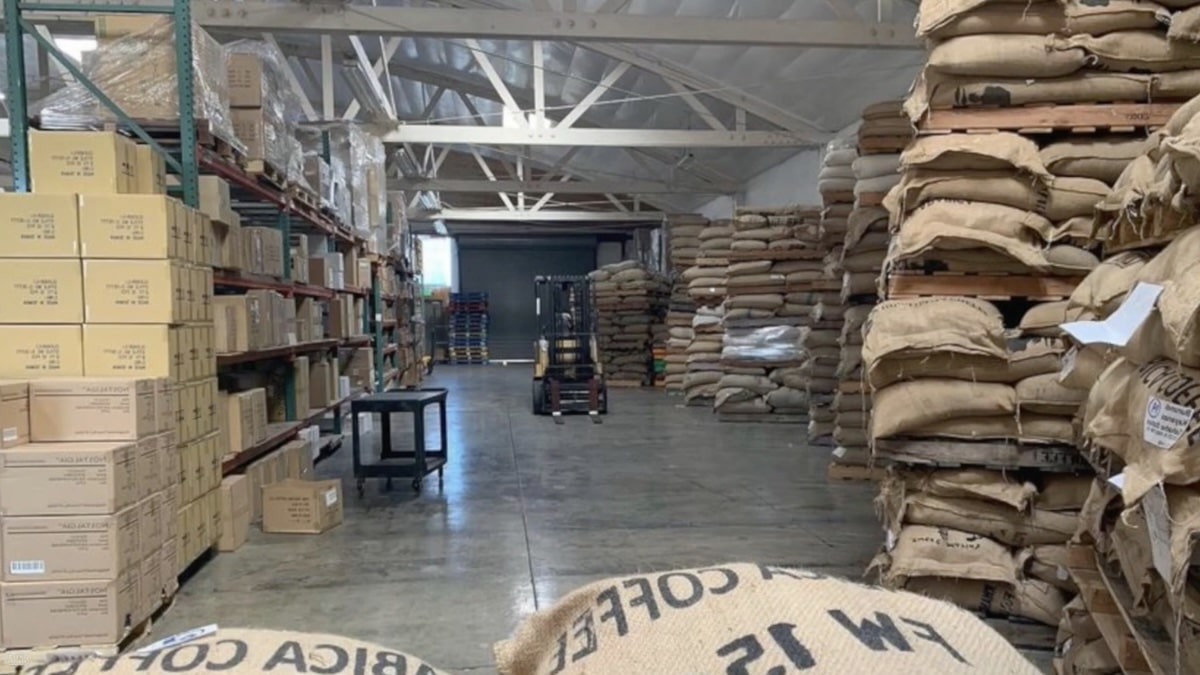
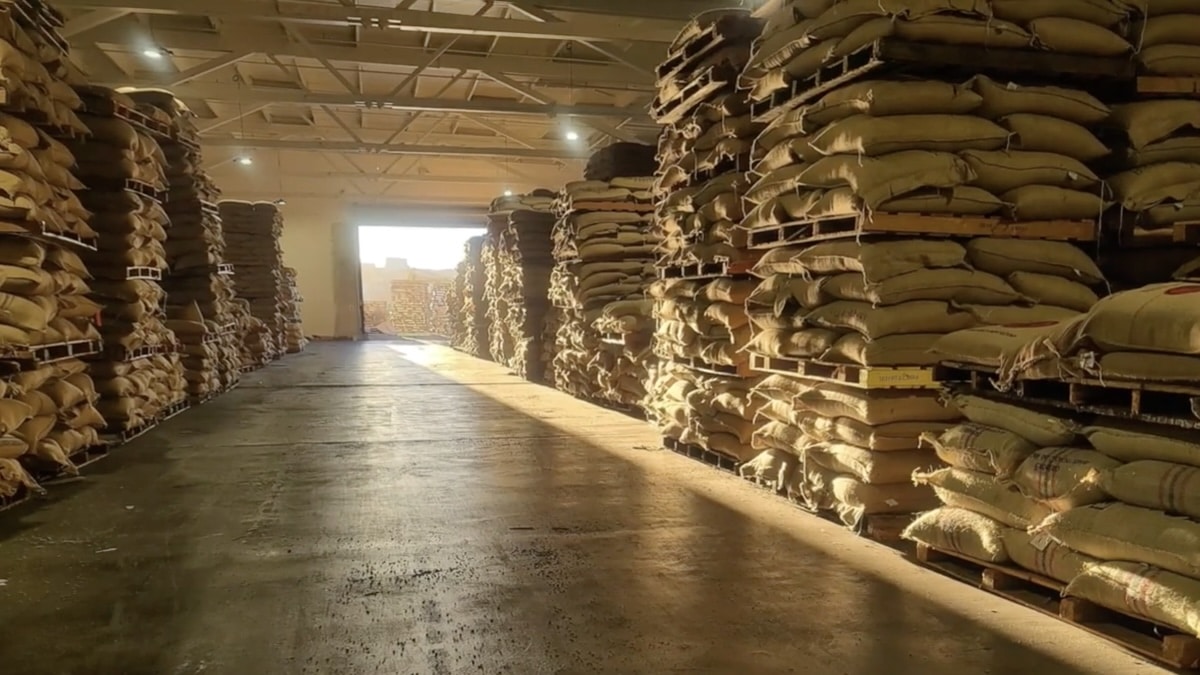
A distributor warehouse should use pallets, clean shelving, spacing from walls, carton labels facing outward, and clear batch separation. Small operational habits help reduce complaints and make repeat orders easier to manage.
Best Storage Strategy by Business Type
| Business Type | Best Storage Strategy | Product Fit |
|---|---|---|
| Café | Order smaller quantities more often, open one bag at a time, keep beans sealed away from heat. | Whole roasted beans, espresso blends, single-origin Arabica. |
| Hotel | Use controlled portions, capsules, and dry carton storage for room service and breakfast. | Capsules, ground coffee, medium roast. |
| Restaurant | Keep coffee away from kitchen odors and use practical packs for after-meal service. | Ground coffee, medium roast, dark roast. |
| Wholesaler | Protect cartons, rotate stock, separate SKUs, and plan fast-moving products. | Wholesale roasted coffee beans, ground coffee 250g, capsules. |
| Distributor | Use batch tracking, demand-based purchasing, and customer-specific stock planning. | Bulk Uganda coffee, private label coffee, ROASTINO product range. |
| Importer | Check shelf life, documents, logistics time, packaging, and supplier consistency before ordering. | Bulk Uganda coffee, private label, direct trade supply. |
| Private label brand | Use strong packaging, clear storage instructions, and strict batch control. | Private label roasted beans, ground coffee, capsules. |
Practical Coffee Storage Hacks for Businesses
Small changes can protect coffee quality and reduce waste. These practical habits are useful for cafés, hotels, wholesalers, and distributors.
- Use a daily-use container: Keep only the coffee needed for the day in a working container and keep the rest sealed.
- Write the opening date: Label opened bags with the date they were opened, not only the expiry date.
- Separate fast-moving and slow-moving SKUs: This helps distributors avoid dead stock and old batches.
- Use smaller packs for slow outlets: Hotels, restaurants, and low-volume cafés should avoid opening large bags slowly over many days.
- Keep cartons off the floor: Use pallets or shelving to reduce moisture risk and carton damage.
- Train staff: Storage rules should be simple enough for baristas, kitchen teams, and warehouse staff to follow daily.
- Protect from odors: Never store coffee near detergent, spices, onions, perfumes, frying oil, chemicals, or packaging with strong smells.
- Audit stock weekly: Check damaged cartons, slow-moving batches, open bags, and expiry dates.
- Use capsules where waste is a problem: Capsules can help hotels and offices control portions and reduce open-pack exposure.
What to Check Before Buying Wholesale Coffee
Before buying wholesale coffee, businesses should check roast date, shelf life, packaging type, batch traceability, storage instructions, available pack sizes, product format, and whether the supplier can support repeat orders consistently.
Coffee buyers should not evaluate price alone. A cheaper product can become expensive if storage life is short, packaging is weak, cartons are damaged, or customers complain about inconsistent taste. Hospitality buyers typically look for reliable flavor, clean handling, and predictable supply. Distributors usually need carton stability, SKU planning, and repeatable quality.
Ask your coffee supplier these questions:
- What is the roast date and recommended shelf life?
- Is the coffee supplied as whole beans, ground coffee, capsules, or private label?
- What packaging sizes are available?
- Are batch numbers and production details available?
- How should the coffee be stored after opening?
- Can the supplier support repeat orders with consistent quality?
- Is the coffee suitable for cafés, hotels, restaurants, distributors, or importers?
- Can the supplier support private label coffee and HoReCa coffee supply?
- Are export documents and logistics support available for international buyers?
Recommended Sourcing Strategy
The best sourcing strategy is to match coffee format with business speed. High-volume cafés can use wholesale roasted coffee beans because they move stock quickly. Hotels may benefit from coffee capsules for hotels and portion-controlled service. Restaurants can use practical ground coffee or beans depending on equipment and staff skill. Distributors should build a product range with fast-moving SKUs, clear storage instructions, and reliable reorder planning.
For buyers interested in Uganda Arabica coffee, a direct trade coffee model can also support better origin traceability and communication. Working with a Uganda-based B2B coffee supplier can help importers, distributors, cafés, and private label coffee brands understand product origin, roast level, packaging, and storage expectations before placing larger orders.
You can explore bulk Uganda coffee for wholesalers, browse available ROASTINO coffee products, or compare roast options such as Light Roast Arabica, Medium Roast Arabica, and Dark Roast Arabica.
FAQ
How should cafés store roasted coffee beans?
Cafés should store roasted coffee beans in sealed packaging or airtight containers, away from heat, sunlight, moisture, and strong odors. They should avoid keeping coffee near espresso machines, ovens, dishwashers, or open kitchen areas.
Should coffee shops leave beans in the grinder hopper overnight?
It is better to avoid leaving large quantities of beans in the hopper overnight. A grinder hopper is convenient during service, but it exposes beans to air and light. Cafés should fill according to demand and keep remaining beans sealed.
Is ground coffee harder to store than whole beans?
Yes. Ground coffee loses aroma faster because more surface area is exposed to oxygen. Businesses using ground coffee should choose suitable pack sizes, reseal opened packs carefully, and rotate stock faster than whole bean coffee.
How should wholesalers store coffee cartons?
Wholesalers should store coffee cartons in a clean, dry, odor-free warehouse, away from direct sunlight and damp walls. Cartons should be kept on pallets or shelves, protected from crushing, and arranged using first-in-first-out stock rotation.
Are coffee capsules easier for hotels to manage?
Coffee capsules can be easier for hotels because they support portion control, cleaner operation, room service, meeting rooms, and guest-room coffee. However, capsules still need dry storage, carton protection, and expiry-date control.
Can coffee absorb smells from the storage area?
Yes. Coffee can absorb surrounding odors. Businesses should never store coffee near spices, cleaning chemicals, perfumes, onions, frying oil, detergents, or strongly scented products.
What is the biggest storage mistake distributors make?
The biggest mistake is poor stock rotation. If old and new batches are mixed without control, some customers may receive older coffee while newer stock leaves first. Batch tracking and first-in-first-out rotation are essential.
About Swab Dealers / ROASTINO
Swab Dealers Ltd. is a Uganda-based coffee producer and B2B supplier located in Bombo, Luwero District. The company supplies ROASTINO 100% Arabica coffee through a direct farm-to-roaster model, supporting ethical trade, origin traceability, and consistent quality.
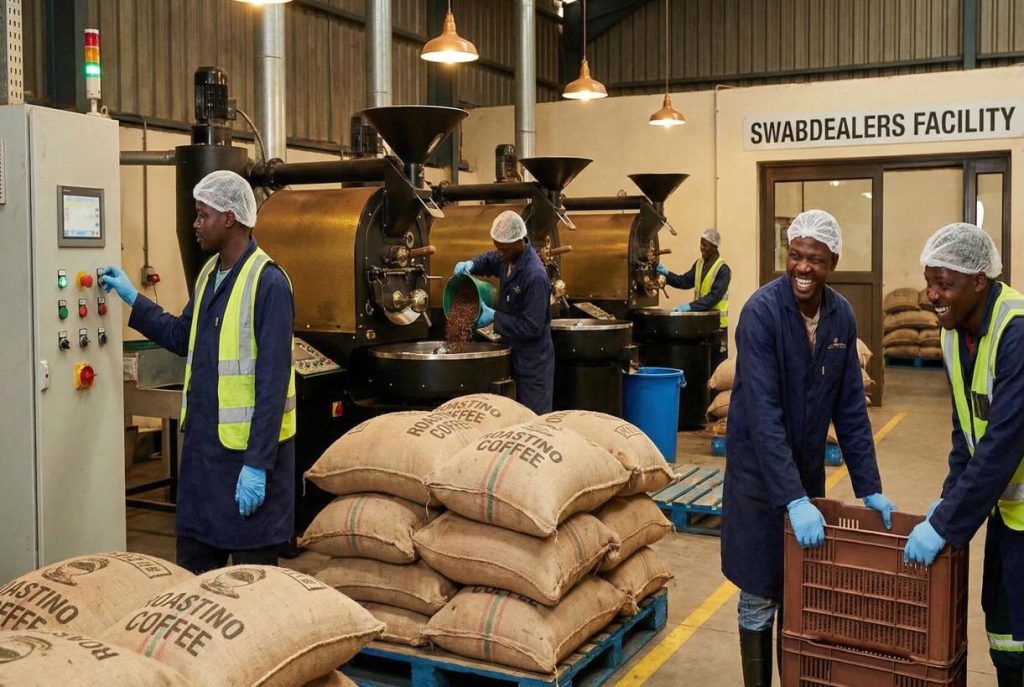
Swab Dealers processes, roasts, and packages coffee in its own facility, offering bulk roasted coffee, ground coffee, coffee capsules, and wholesale coffee solutions for cafés, hotels, distributors, importers, and hospitality buyers.
For wholesale inquiries, private label coffee, HoReCa coffee supply, or bulk Uganda coffee, visit the Request a Quote page or contact the team through the Contact page.
Conclusion
Good coffee storage protects freshness, flavor, customer satisfaction, and profit. Businesses should control heat, moisture, oxygen, light, odors, packaging, stock rotation, and batch tracking from the moment coffee arrives.
For cafés, storage affects espresso performance and customer experience. For hotels and restaurants, it affects service consistency and waste. For wholesalers and distributors, it affects resale value, complaints, and repeat business. For importers and private label brands, it affects brand trust.
If your business needs single-origin Uganda coffee, wholesale roasted coffee beans, ground coffee, coffee capsules, or private label coffee, ROASTINO can support B2B buyers with Uganda Arabica coffee solutions for cafés, hotels, distributors, importers, and HoReCa customers.